Recognizing Signs Of Pelvic Floor Tension Affecting Glute Activation In Daily Movement
I often witness individuals struggling with lower body stiffness while they focus on heavy compound movements. Many people assume their lack of progress stems from weak muscles or poor form. It remains common for the actual bottleneck to exist within the deep core structures that govern hip stability.
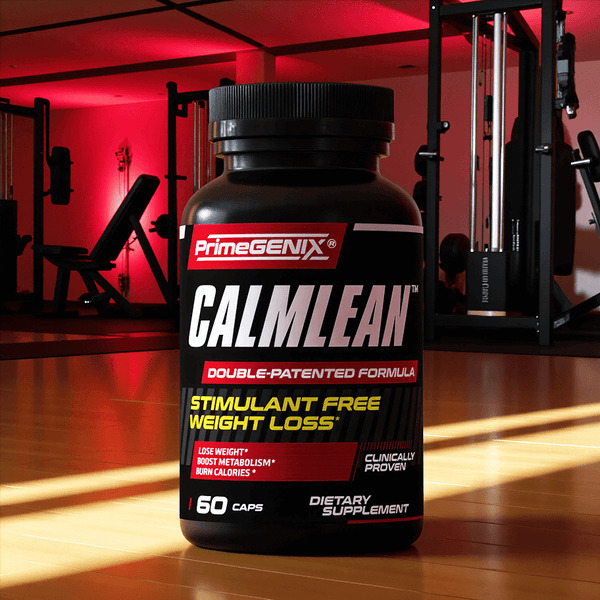
CalmLean™ Stimulant-Free Metabolism Support
- Engineered with ForsLean® to support metabolic baseline without caffeine
- 100% stimulant-free formulation avoids energy crashes and jitters
- Manufactured in a cGMP-compliant, FDA-registered facility
Understanding the connection between hidden internal tightness and external muscle output helps clarify why some efforts fall short. When the floor of the pelvis remains locked in a high-tonus state, the nervous system often downregulates the signal to the large muscles in the backside. This neurological feedback loop prevents full engagement during common activities like walking or squatting.
Signs of pelvic floor tension affecting glute activation include a localized inability to contract the rear hip muscles fully during bridges or lunges despite conscious effort. Tightness in this region often forces the lower back or secondary stabilizers to compensate for the missing force. This state creates a physical disconnect that hampers effective movement patterns.
Key Takeaways
- Research from the National Institutes of Health suggests that pelvic floor dysfunction impacts up to 25 percent of the general population.
- Studies demonstrate that abnormal muscle tone in the perineal region can reduce primary hip extensor recruitment by 15 to 20 percent.
- Data indicates that consistent mobility practice can improve neuromuscular firing rates within an eight to twelve week window.
The Biomechanical Link Between Internal Stability And External Force
The human body functions as an integrated kinetic chain rather than a collection of separate parts. When the base of the torso holds excessive residual tension, the brain perceives an environment of instability. This protective response limits the range of motion available to the hips.
The deep pelvic muscles work in tandem with the diaphragm and transverse abdominals to manage internal pressure. If these muscles do not cycle through contraction and relaxation properly, the entire lumbo-pelvic complex stiffens. This rigidity physically prevents the primary muscles of the glutes from moving through their full lengthening cycle.
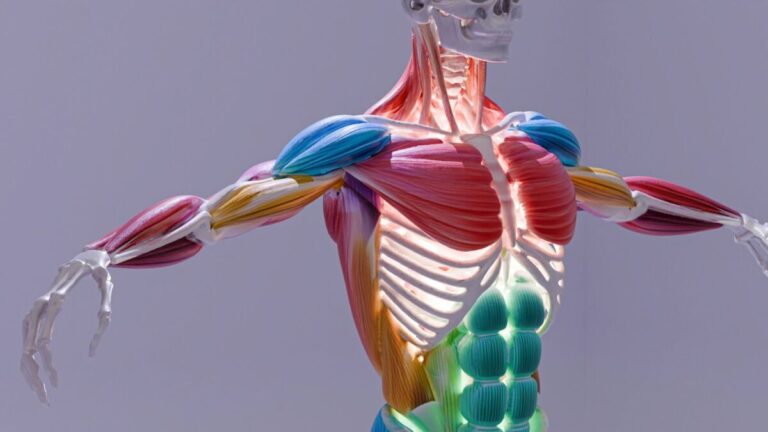
Consider the National Library of Medicine resource on muscular anatomy for a detailed view of how these deep tissues layer over the pelvic girdle. Proper alignment relies on the fluid interplay between these deep stabilizers and the superficial movers. Without this coordination, the nervous system limits power output to protect the lumbar spine from perceived strain.
How Constant Rigidity Disrupts Muscle Firing Rates
Neuromuscular inhibition serves as a safety mechanism for the human frame. When the pelvic floor sits in a state of high resting tension, it effectively signals to the surrounding tissues that they should remain guarded. This constant guarding prevents the glutes from reaching the necessary tension levels to initiate powerful hip extension.
The result is a phenomenon often described as gluteal amnesia or lazy posterior chain. This does not imply the tissue lacks strength or size. Instead, it indicates a failure in the recruitment signal sent from the central nervous system to the muscle fibers.
| Factor | Result | Impact |
| High Resting Tone | Inhibited Recruitment | Lower Power |
| Optimal Breath Flow | Reflexive Relaxation | Higher Output |
| Chronic Stiffness | Compensatory Strain | Increased Fatigue |
Demonstrating The Shift In Muscle Recruitment
One can test the efficacy of this relationship through a simple controlled movement experiment. Begin by lying on the floor with knees bent and feet flat. Attempt to perform a standard bridge while maintaining a rigid or clenched internal pelvic state.
Note the effort required to lift the hips and identify where the primary sensation originates. Many report intense strain in the lower back or quads rather than the target muscles. This confirms the compensation pattern active when the base is not relaxed.
Repeat the movement after performing five cycles of diaphragmatic breathing. Focus on a gentle release of the deep pelvic floor muscles during the exhale. You will notice a clearer connection to the glute muscles during the upward phase of the bridge.
The Role Of Diaphragmatic Breath In Muscle Release
The diaphragm and the pelvic floor move in sync during a healthy respiratory cycle. During inhalation, both structures should descend to accommodate the expansion of the torso. During exhalation, they should return to their resting position.
When this rhythm stays disrupted, the pelvic floor often stays high and tight. This keeps the hips in a slight state of anterior tilt. This tilt changes the leverage of the hip joint and makes it difficult for the glutes to achieve a full contraction.
Focusing on the breath serves as a tool to reset the tension levels in these deep tissues. A simple Centers for Disease Control overview on healthy movement emphasizes the importance of consistent motion. By prioritizing fluid breathing, you encourage the nervous system to let go of unnecessary holding patterns.
Strategies To Improve Coordination And Movement
1. Mindful Release Work: Use a small soft ball to gently release tension in the muscles surrounding the sit bones. Focus on slow breathing rather than deep pressure to encourage the nerves to quiet down.
2. Positional Resets: Spend time in positions that prioritize pelvic neutrality. The 90-90 position allows the hips to reset while the spine remains supported by the floor.
3. Reflexive Activation: Perform exercises that involve movement rather than static holds. Rocking, crawling, or slow hip hinges encourage the brain to re-map the movement path between the core and the lower body.
Frequently Asked Questions
Can tight pelvic floor muscles cause pain in the lower back?
Persistent tension in the base of the pelvis often forces the lower back to take on a stabilizing role it was not designed to handle. This creates a cascade where the lumbar muscles become overworked and strained to maintain posture.
This shift frequently results in sensations of ache or stiffness in the lower back region during or after physical exertion. Addressing the internal tension often allows the back to resume its role as a secondary stabilizer rather than a primary mover.
How long does it take to notice changes in muscle engagement?
Neurological patterns change based on consistency rather than the intensity of the effort. Many individuals report noticing improved connection within two to four weeks of daily practice.
This window allows the nervous system to adapt to new patterns of movement and relaxation. Patience remains essential when working with deep stabilizing muscles that have been inactive for long periods.
Is it necessary to use specialized equipment for release?
Standard movement practice does not require expensive tools or complex devices to be effective. Simple floor work and breath awareness provide enough stimulation to influence the tone of the deep pelvic structures.
Using props like balls or rollers remains optional and should only serve as a comfort aid if desired. The most critical component is your focused attention on the sensation of release during your breath cycles.
Do these patterns change as we age?
The human body retains a significant capacity for adaptation and change regardless of the calendar age. While tissue elasticity may shift over time, the nervous system remains capable of learning new recruitment paths.
Focusing on consistent, gentle movement helps maintain the health of the muscular system throughout the lifespan. Adapting your routine to current needs ensures continued progress without unnecessary stress on the joints.
What is the best time of day to work on this?
The most effective time for this work is whenever you can commit to five minutes of uninterrupted focus. Some people find success by integrating these practices into their morning routine to set the tone for the day.
Others prefer a brief session in the evening to release the accumulated tension from long hours of sitting. Consistency matters more than the specific hour of the day chosen for your movement sessions.
The Bottom Line
Why Pelvic Floor Tension Stops Your Glutes From Firing is a question of neurology, not just physical strength. When internal tension remains high, the brain limits the output of the glutes to safeguard the integrity of the pelvic girdle. Prioritizing breath and mobility allows the body to release these holding patterns and restore efficient movement.
Start by incorporating five minutes of diaphragmatic breathing into your daily routine to encourage a natural release of deep pelvic tension. Observe how this change impacts your ability to engage your lower body during your next movement session. Never stop or change any medication without consulting the provider who recommended it.
Consult a licensed healthcare provider before starting any new wellness routine.
Get Your FREE Natural Health Guide!
Subscribe now and receive our exclusive ebook packed with natural health tips, practical wellness advice, and easy lifestyle changes, delivered straight to your inbox.