
Contents
The modern diet often lacks essential omega-3 fatty acids, leading to various health issues. Many individuals struggle to incorporate adequate sources of these vital nutrients into their meals. This deficiency can contribute to inflammation, cognitive decline, and even mood disorders. The challenge is to find tasty and practical ways to boost omega-3 intake without relying solely on fish or supplements.
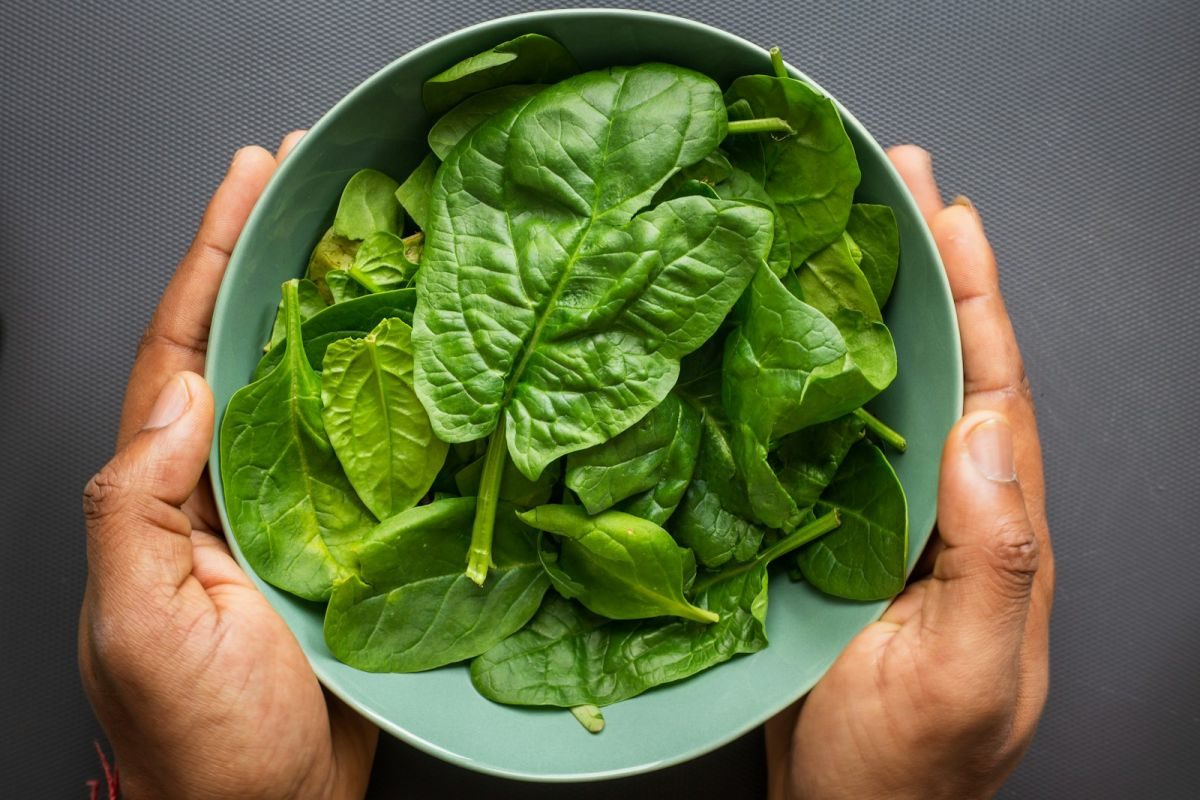
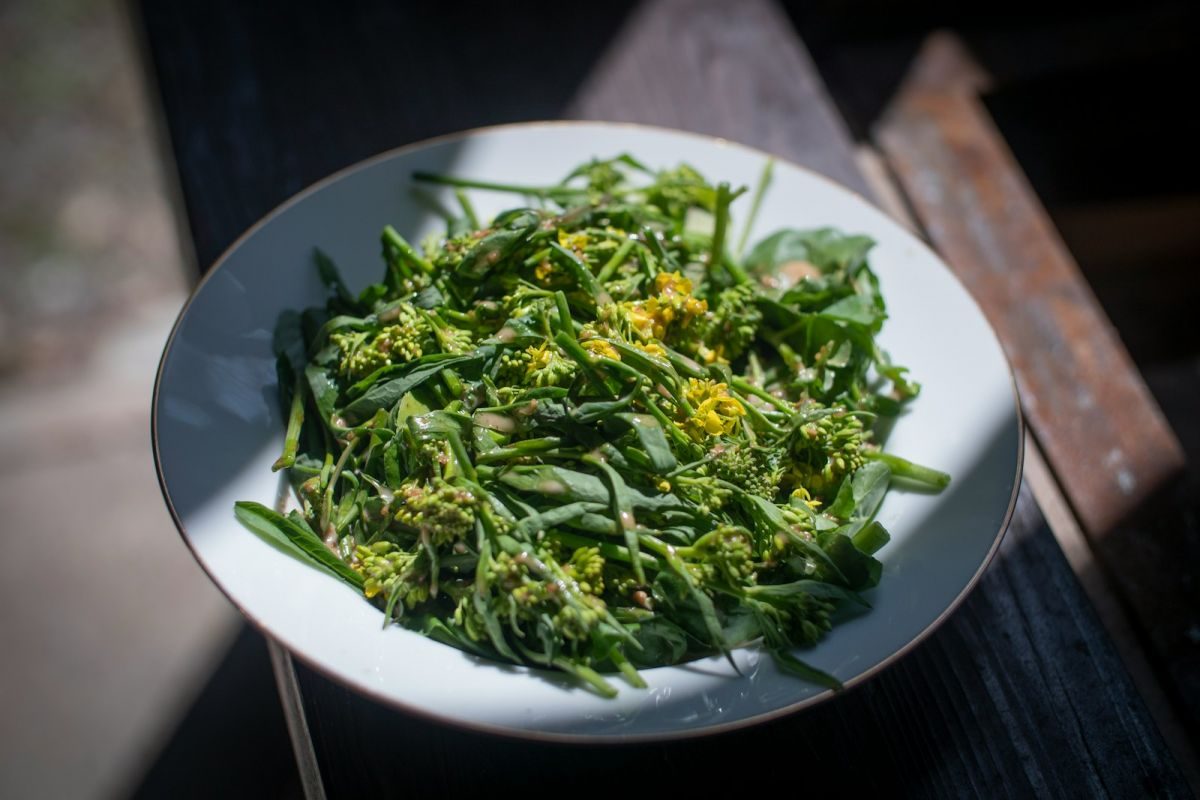
Mustard greens present a flavorful solution. These leafy greens are not only versatile but also rich in nutrients, including omega-3 fatty acids. Incorporating them into your daily meals can enhance both flavor and health benefits. Whether used in salads, stir-fries, or smoothies, mustard greens can easily fit into various culinary styles.
Understanding the potential of mustard greens can transform your approach to healthy eating. This guide will explore practical applications, the science behind their benefits, and how to effectively integrate them into your diet. Embracing mustard greens can lead to improved well-being while enjoying delicious meals.
Let’s delve deeper into how mustard greens can serve as a delightful source of omega-3s and elevate your diet.
How to Use Mustard Greens for Real Results
- Best Form: Fresh or lightly steamed
- Best Time: At least three times a week
- Expected Result: Enhanced omega-3 levels and overall health
For Daily Protection
The Prep: Gather fresh mustard greens, olive oil, lemon juice, garlic, and salt. This combination creates a simple yet nutritious dish. Make sure the greens are washed thoroughly to remove any grit.
The Action: Sauté minced garlic in olive oil over medium heat. Add chopped mustard greens and cook until they wilt, approximately three to five minutes. Season with salt and a splash of lemon juice for brightness. Serve warm as a side dish or over quinoa for a complete meal.
The Feeling: The dish offers a warm, comforting sensation with a slight peppery kick from the mustard greens. The flavors meld beautifully, creating a satisfying experience that lingers pleasantly.
Pro Tip: Add nuts or seeds for added texture and nutrients, enhancing the dish’s omega-3 content.
Targeting Inflammation
The Prep: Collect ingredients like mustard greens, ginger, turmeric, coconut milk, and black pepper. This combination harnesses the anti-inflammatory properties of turmeric alongside the greens.
The Action: In a pot, combine chopped mustard greens, grated ginger, and turmeric in coconut milk. Simmer on low heat for about ten minutes. Add black pepper to enhance the absorption of turmeric’s curcumin. Serve warm.
The Feeling: This dish provides a creamy, slightly spicy sensation, with the warmth of ginger soothing the palate. The comforting texture of the coconut milk complements the greens well.
Pro Tip: Incorporate some lentils for additional protein, making it a heartier meal.
The Nighttime Routine
The Prep: Prepare mustard greens, garlic, vegetable broth, and whole grain pasta. This combination sets the stage for a light yet fulfilling dinner.
The Action: Cook the pasta according to package instructions. In a separate pot, sauté minced garlic in olive oil. Add chopped mustard greens and pour in vegetable broth. Simmer until the greens are tender. Mix in the cooked pasta and serve.
The Feeling: The dish feels light yet satisfying, with the garlic providing a comforting aroma. The combination of flavors creates a delightful end-of-day meal.
Pro Tip: Top with nutritional yeast for a cheesy flavor and additional nutrients.
Common Pitfalls to Avoid
Ignoring Freshness
Using wilted or old mustard greens diminishes their nutritional value. Fresh greens are vital for maximizing omega-3 content and overall health benefits. Always choose vibrant, crisp leaves for the best results.
When cooking, wilted greens may not provide the same flavor or texture. This can lead to a less enjoyable meal experience. Fresh ingredients contribute to both taste and health, making it essential to select quality produce.
Overcooking the Greens
Overcooking mustard greens can lead to a loss of nutrients. This is especially true for omega-3 fatty acids, which are sensitive to heat. Steaming or sautéing for a short period preserves their nutritional integrity.
To avoid overcooking, monitor the greens closely. Aim for a tender yet vibrant appearance. This will ensure that you receive the maximum health benefits while enjoying the flavors.
Neglecting Pairings
Failing to pair mustard greens with complementary ingredients can hinder their flavor profile. These greens have a robust taste that can be overpowering if not balanced with other flavors. Incorporating ingredients like citrus, garlic, or nuts enhances the overall dish.
Experimenting with different combinations can lead to discovering your favorite ways to enjoy mustard greens. A well-rounded dish will not only taste better but also provide a broader range of nutrients.
The Science Behind the Benefits
The biological mechanism of omega-3 fatty acids involves their role in cellular structure and function. These essential fats are integral to maintaining cell membrane integrity. They also play a significant role in reducing inflammation throughout the body. This is crucial for preventing chronic diseases and supporting overall health.
Key compounds found in mustard greens include alpha-linolenic acid (ALA), a type of omega-3 fatty acid. ALA is vital for heart health and brain function. Mustard greens also contain various vitamins and minerals that work synergistically with omega-3s to enhance their effects.
Clinical studies have demonstrated the benefits of increasing omega-3 intake through plant sources. Research indicates that ALA can positively impact cardiovascular health and reduce inflammation. For further reading on the benefits of omega-3 fatty acids, you can explore this study.
Choosing the Right Product
-
Potency: Look for mustard greens that are vibrant and full of life. Potency matters because fresher greens contain higher levels of nutrients, including omega-3 fatty acids.
-
Purity: Choose organic mustard greens whenever possible. This ensures that you are consuming vegetables free from harmful pesticides and chemicals, enhancing their health benefits.
-
Form: Fresh or lightly steamed is ideal. Fresh greens retain their nutrients better than processed or canned options, providing the most health benefits.
Benefits vs Risks
| The Benefits | Potential Downsides |
|---|---|
| Rich in omega-3 fatty acids | May cause digestive discomfort if eaten in excess |
| High in vitamins A, C, and K | Can be bitter if overcooked |
| Supports heart and brain health | Potential for pesticide exposure if not organic |
Habits to Enhance Your Experience
Incorporating regular physical activity into your routine can amplify the benefits of a diet rich in omega-3s. Exercise improves circulation and enhances nutrient absorption. A daily walk or a structured workout can complement your dietary choices.
Mindful eating is another effective habit. Paying attention to flavors and textures can enhance your overall experience. This practice encourages appreciation for the meals you consume, leading to healthier eating patterns.
Who Should Avoid This?
- Individuals with a history of kidney stones.
- Those taking anticoagulant medications.
- People with specific allergies to cruciferous vegetables.
Common Questions
Can mustard greens replace fish as an omega-3 source?
Yes, while mustard greens provide ALA, they do not contain EPA and DHA found in fish. However, they are a beneficial plant-based alternative.
How can I store mustard greens?
Store them in a perforated plastic bag in the refrigerator for up to a week. This helps retain their freshness.
Are there any side effects of eating mustard greens?
Excessive consumption may lead to digestive issues. Moderation is key.
How often should I include mustard greens in my diet?
Aim to include them at least three times a week for optimal health benefits.
The Bottom Line
Incorporating mustard greens into your diet can significantly boost your omega-3 intake while enhancing overall health.
- The Truth: Mustard greens are a valuable source of ALA but should be part of a balanced diet.
- The Strategy: Include them in meals at least three times a week for maximum benefits.
- The Next Step: Experiment with different cooking methods to find your favorite way to enjoy them.
Get Your FREE Natural Health Guide!
Subscribe now and receive our exclusive ebook packed with natural health tips, practical wellness advice, and easy lifestyle changes, delivered straight to your inbox.