Optimizing Nutrient Absorption: Your Body’s Daily Fuel Efficiency
Understanding how your body takes in and uses vital nutrients forms a cornerstone of vibrant health. Nutrient absorption isn’t a passive process; it’s a dynamic, intricate system involving numerous physiological steps. Many factors influence this efficiency, from the foods you eat to your internal biochemical environment.
Prioritizing optimal absorption means your cells receive the building blocks they need for every function, from energy production to cellular repair. It ensures you get the most out of your dietary choices and any supplemental support. This focus shifts beyond simply consuming nutrients towards truly assimilating them.
When we consider the complex pathways nutrients travel from ingestion to cellular utilization, it becomes clear that seemingly small adjustments can have meaningful impacts. Making informed choices about how you eat and live directly influences your body’s ability to thrive.
Secret 1: Prioritize Whole, Unprocessed Foods
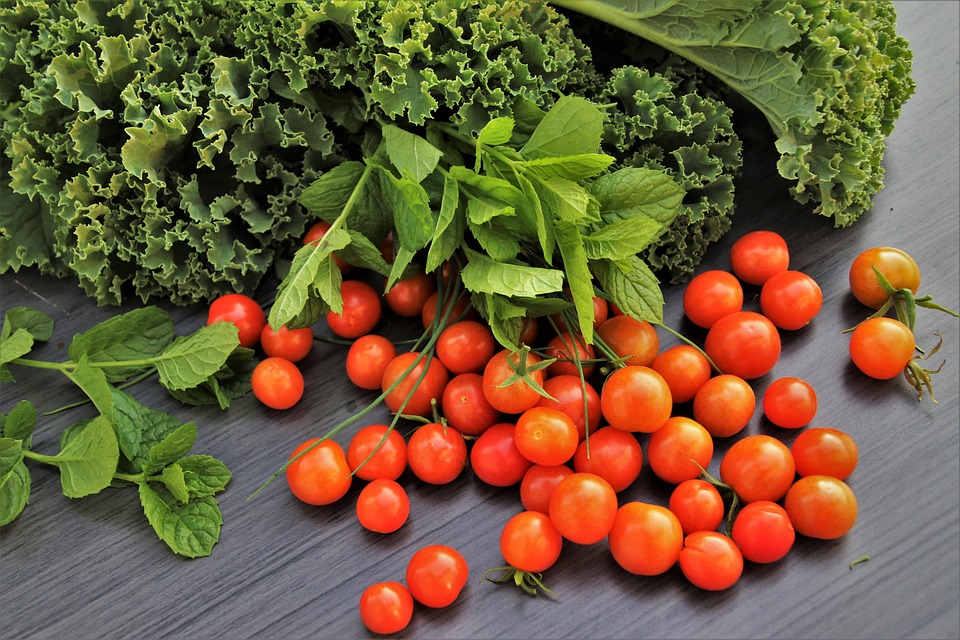
The foundation of effective nutrient uptake begins with the quality of your food choices. Whole foods, like fresh fruits, vegetables, and minimally processed grains, come packed with a complex matrix of vitamins, minerals, and phytonutrients. They also contain fiber, which plays a crucial role in digestive transit and gut health.
Processed foods often strip away these valuable components, leaving behind empty calories and additives that can disrupt natural digestive rhythms. The synergy found in whole foods means that various compounds work together, enhancing each other’s absorption and bioavailability. For instance, the carotenoids in carrots are better absorbed when consumed with a source of fat, a combination often naturally present in a balanced meal.
Think of whole foods as complete packages, designed by nature to deliver their nutritional cargo efficiently. The fiber content, for example, supports a healthy gut environment, which is paramount for nutrient assimilation. Without this natural support system, even nutrient-rich ingredients can fall short of their potential.
- Core Principle: Bioavailability and natural cofactors
- Best Used For: Broad spectrum nutrient delivery, sustained energy
- Mechanism of Action: Intact food matrix provides synergistic compounds, fiber supports gut integrity
Dietary Integration Strategy
Include a diverse range of whole fruits, vegetables, lean proteins, and healthy fats in your daily meals to provide a comprehensive nutrient profile and support efficient uptake.
Secret 2: Cultivate a Robust Gut Microbiome
The trillions of microorganisms residing in your digestive tract, collectively known as the gut microbiome, are pivotal for nutrient absorption. These beneficial bacteria assist in breaking down complex carbohydrates and fibers that your own enzymes cannot digest. They also play a role in the generation of certain vitamins, like vitamin K and some B vitamins.
A diverse and balanced microbiome also contributes to the integrity of the gut lining. A healthy intestinal barrier is essential for selective absorption, preventing undesirable substances from entering the bloodstream while allowing vital nutrients to pass through. When the microbiome is out of balance, this barrier can become compromised.
Supporting these microbial allies through diet directly impacts your overall nutritional status. Foods rich in prebiotics, which are specialized fibers that nourish beneficial bacteria, and probiotics, which introduce live beneficial bacteria, are key components in this strategy. This internal ecosystem directly influences how effectively your body extracts nutrition from food.
- Core Principle: Microbial digestion, gut barrier function
- Best Used For: Enhanced nutrient breakdown, immune system support
- Mechanism of Action: Bacteria ferment undigested food, generate short chain fatty acids, influence gut environment
Lifestyle Enhancement Approach
Incorporate fermented foods such as yogurt, kimchi, and sauerkraut into your diet, alongside prebiotic rich foods like garlic, onions, and asparagus to nourish your gut flora.
Secret 3: Master Strategic Food Pairing
Certain nutrients exhibit enhanced absorption when consumed alongside specific partners. This phenomenon, known as synergy, allows your body to extract more value from your meals. A classic example is the pairing of iron from plant sources with vitamin C. Vitamin C significantly converts non heme iron into a more readily absorbable form.
Similarly, fat soluble vitamins, including vitamins A, D, E, and K, require the presence of dietary fat for optimal uptake. Consuming these vitamins with a source of healthy fat, such as avocado or olive oil, ensures they are properly transported and assimilated into the body. Without fat, their absorption is limited.
Understanding these symbiotic relationships allows for more effective meal planning. It’s not just about what you eat, but how you combine it. This thoughtful approach can dramatically improve the utilization of key micronutrients, helping you derive maximum benefit from your nutritional intake.
- Core Principle: Nutrient synergy, enhanced bioavailability
- Best Used For: Targeted mineral and fat soluble vitamin uptake
- Mechanism of Action: Specific cofactors facilitate nutrient transport and conversion within the digestive tract
Meal Planning Consideration
Pair iron rich plant foods with citrus or bell peppers, and always include a healthy fat source when consuming foods rich in vitamins A, D, E, or K.
Secret 4: Optimize Stomach Acid Production Naturally
Stomach acid, primarily hydrochloric acid, plays a crucial, though often overlooked, role in initiating digestion. It denatures proteins, making them more accessible to digestive enzymes, and helps release certain minerals from food, such as calcium, magnesium, and iron. An appropriate level of stomach acid also helps maintain a balanced internal environment.
When stomach acid levels are not optimal, these initial breakdown processes can be hampered. This can lead to less efficient digestion and potentially reduced nutrient release from food particles. Factors like age and certain lifestyle choices can influence stomach acid production.
Supporting healthy stomach acid function involves a holistic approach. It is about fostering an environment where the stomach can perform its essential functions effectively, setting the stage for subsequent nutrient absorption in the small intestine. This initial breakdown is a bottleneck for many later processes.
- Core Principle: Protein denaturation, mineral release
- Best Used For: Initial digestive breakdown, mineral accessibility
- Mechanism of Action: Creates acidic environment necessary for pepsin activation and mineral solubility
Pre Meal Practice
Consider incorporating digestive bitters or a small amount of apple cider vinegar diluted in water about 15 minutes before meals to gently support digestive preparation.
Secret 5: Hydrate Thoughtfully Throughout the Day
Water is fundamental to virtually every bodily process, and nutrient absorption is no exception. It acts as the medium for nutrient transport, facilitating the movement of digested food particles through the intestines and into the bloodstream. Without adequate hydration, digestive fluids become less efficient.
From the salivary enzymes in your mouth to the intricate processes in your small intestine, water is required at every step. It also contributes to the proper consistency of stool, ensuring regular elimination and preventing digestive slowdowns that could impact absorption. Dehydration can hinder the entire digestive cascade.
Maintaining consistent hydration throughout the day supports overall digestive function and helps ensure that nutrients can dissolve and be transported effectively. It’s not just about quenching thirst; it’s about providing the necessary solvent for the body’s metabolic machinery to operate smoothly.
- Core Principle: Solvent for transport, digestive fluid balance
- Best Used For: Efficient nutrient dissolution, waste elimination
- Mechanism of Action: Facilitates enzymatic reactions, maintains gut motility, supports nutrient passage into circulation
Daily Fluid Strategy
Sip water consistently throughout the day, aiming for clear or pale yellow urine, and consider adding electrolyte rich options like coconut water or a pinch of sea salt to water after activity.
Secret 6: Manage Stress for Digestive Harmony
The connection between your brain and your gut, often called the brain gut axis, significantly influences digestive efficiency. Chronic stress can impact this communication, leading to changes in gut motility, blood flow to the digestive organs, and even the composition of the gut microbiome. When the body is in a fight or flight state, digestion is deprioritized.
This physiological response means that nutrients may not be absorbed as efficiently as they would be during a state of relaxation. Stress can alter digestive enzyme secretion and tighten the gut lining, potentially affecting permeability. Over time, persistent stress creates an environment less conducive to optimal assimilation.
Integrating stress management practices into your daily routine offers benefits that extend to your digestive health. By fostering a calmer internal state, you allow your body to allocate its resources more effectively towards digestion and nutrient uptake. This holistic approach supports the body’s natural capacity for nutrient utilization.
- Core Principle: Brain gut axis, physiological response
- Best Used For: Optimizing digestive blood flow, enzyme secretion
- Mechanism of Action: Reduces sympathetic nervous system dominance, promotes rest and digest state, supports gut motility
Mind Body Practice
Incorporate daily practices such as deep breathing exercises, short meditation sessions, or gentle movement to help mitigate stress effects on your digestive system.
Secret 7: Incorporate Bioavailable Nutrient Forms When Necessary
While whole foods are paramount, there are instances where specific nutrient forms or specialized delivery systems can further support absorption. For example, some individuals may explore forms of magnesium, such as magnesium glycinate, which is often discussed for its gentle assimilation compared to other forms.
Another area of interest involves certain vitamins, where liposomal delivery systems are sometimes discussed for their potential to enhance uptake. These systems encapsulate nutrients in tiny lipid bubbles, which may help them bypass some digestive barriers. This approach seeks to maximize the amount of the nutrient that reaches systemic circulation.
It’s important to understand that the focus is always on complementing, not replacing, a nutrient dense diet. These specialized forms offer additional avenues to consider for specific nutritional goals, especially when conventional absorption pathways might face challenges. This information is educational and not a substitute for medical advice.
| Nutrient Type | Conventional Form | Bioavailable Form (Examples) | Absorption Benefit |
|---|---|---|---|
| Magnesium | Magnesium Oxide | Magnesium Glycinate, Citrate | Often associated with gentler digestion and better uptake |
| Curcumin | Standard Curcumin | Curcumin with piperine, Liposomal Curcumin | Piperine can enhance absorption, liposomal delivery may protect compound |
| Vitamin C | Ascorbic Acid | Liposomal Vitamin C | Liposomal encapsulation may support cellular delivery |
| Iron | Ferrous Sulfate | Ferrous Bisglycinate | Often discussed for being less prone to digestive discomfort |
- Core Principle: Delivery systems, chelation
- Best Used For: Targeted nutrient support, individuals with specific absorption considerations
- Mechanism of Action: Modified chemical structures or protective carriers facilitate passage through digestive tract and cell membranes
Targeted Nutrient Consideration
When exploring supplemental support, people often work with a qualified healthcare professional to discuss forms like chelated minerals or liposomal vitamins, which are designed for enhanced absorption.
Frequently Asked Questions
How does chewing food thoroughly impact nutrient absorption?
Thorough chewing, also known as mastication, is the first step in digestion. It physically breaks down food into smaller particles, increasing its surface area. This allows digestive enzymes in saliva and later in the stomach and small intestine to work more efficiently, initiating the release of nutrients for absorption.
Can medications affect my body’s ability to absorb nutrients?
Yes, some medications can influence nutrient absorption by altering stomach acid levels, changing gut motility, or interfering with specific absorption pathways. People with underlying conditions often work with a qualified healthcare professional for personalized guidance on managing potential interactions.
Is gut inflammation linked to poor nutrient absorption?
Gut inflammation can compromise the integrity of the intestinal lining, potentially impacting the villi, which are tiny, finger like projections responsible for nutrient absorption in the small intestine. A healthy, intact gut lining is crucial for efficient nutrient uptake, as research from the National Institute of Diabetes and Digestive and Kidney Diseases outlines.
Are there specific times of day when nutrient absorption is better?
While the digestive system generally operates continuously, consistency in meal timing and avoiding very large, infrequent meals can support digestive rhythm. Eating mindfully and allowing sufficient time for digestion between meals may contribute to more efficient nutrient processing.
The Bottom Line
Maximizing nutrient absorption is an active pursuit that empowers your body with the fundamental support it needs to thrive. By focusing on whole foods, nurturing your gut, combining foods wisely, and addressing lifestyle factors like stress and hydration, you create an internal environment primed for optimal assimilation. These choices collectively contribute to your overall well being.
Consider evaluating your current dietary habits and lifestyle choices. Identify one or two of these secrets you can begin to integrate into your daily routine.
Get Your FREE Natural Health Guide!
Subscribe now and receive our exclusive ebook packed with natural health tips, practical wellness advice, and easy lifestyle changes, delivered straight to your inbox.