
Unlocking the Nutritional Prowess of Whole Eggs for Choline Metabolism
Whole eggs stand as a foundational food in many dietary patterns. Their reputation often centers on protein content, yet their distinct role in choline metabolism warrants significant attention.
This remarkable food delivers a readily available form of a nutrient essential for numerous bodily functions. Understanding how whole eggs contribute to choline metabolism offers a clearer picture of their broader health contributions.
Our exploration dives deep into choline itself and then examines why whole eggs for choline metabolism represent such a valuable dietary choice.
Choline: A Foundational Nutrient for Cellular Integrity
Choline is an organic water soluble compound, often grouped with B vitamins due to its metabolic similarity. It plays a critical part in several physiological processes, working at a cellular level.
The body uses choline to build and maintain cell membranes. These membranes are the vital protective envelopes surrounding every cell, controlling what enters and exits, which is crucial for overall cellular health.
Beyond structural roles, choline acts as a precursor for specific signaling molecules. These molecules facilitate communication within the body, supporting various systems.
Many people explore the foundational role of choline in the body, a topic further elaborated by the National Institutes of Health.
It’s important to recognize that while the body produces some choline, dietary intake remains a significant pathway to ensure sufficient levels for these essential functions.
- Active Compound: Choline
- Best Used For: General cellular function, foundational neural support
- Mechanism of Action: Precursor for phospholipids like phosphatidylcholine, supports lipid transport
Understanding Intake Strategies
To support adequate choline intake, people often look to diverse dietary sources, particularly those rich in this compound.
The Egg Yolk: A Natural Choline Powerhouse
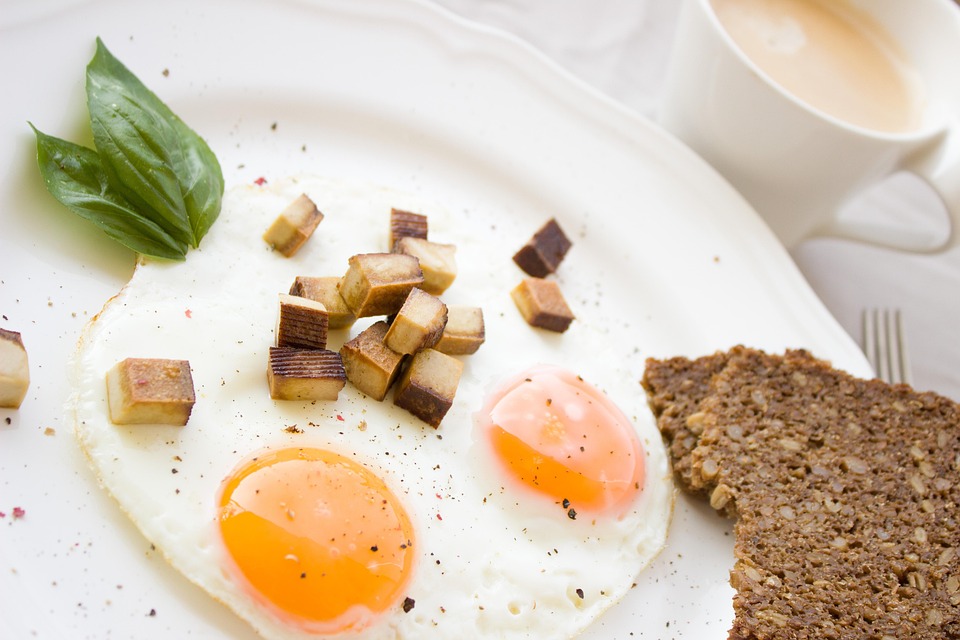
The concentration of choline within a whole egg is noteworthy, with the majority residing in the yolk. This isn’t accidental; choline plays a critical role in early development, making its presence in the egg yolk biologically sensible.
A single large whole egg contains approximately 147 milligrams of choline. This makes eggs one of the most concentrated dietary sources available, providing a substantial contribution towards daily needs.
The form of choline found in eggs is predominantly phosphatidylcholine, a lipid-bound form. This specific structure influences its absorption and subsequent metabolic pathways within the human body.
Unlike free choline, phosphatidylcholine is integrated into complex lipid structures. This arrangement may contribute to a steady release of choline after consumption, potentially impacting its utilization.
Considering their widespread availability and versatility, whole eggs offer a convenient and efficient means of increasing choline intake for many individuals.
- Active Compound: Phosphatidylcholine
- Best Used For: Dietary choline provision, cell membrane component
- Mechanism of Action: Delivers choline in a lipid-bound form, facilitating absorption
Incorporating Eggs into Your Diet
Regular inclusion of whole eggs can be a practical strategy for supporting dietary choline levels.
Choline’s Journey: Metabolism and Biochemical Transformations
Once consumed, the phosphatidylcholine from whole eggs embarks on a complex metabolic journey. Digestive enzymes in the gut liberate choline from its lipid carriers, making it available for absorption.
Upon absorption, choline enters the bloodstream and travels to various tissues, including the liver. The liver is a central hub for choline metabolism, processing it for different purposes.
A significant pathway involves the conversion of choline into betaine. This transformation is crucial because betaine serves distinct roles within the body, particularly in processes related to cellular fluid balance.
Betaine participates in a biochemical pathway known as methylation. This process is fundamental for many physiological functions, including those often discussed in relation to general cellular maintenance.
The body also uses absorbed choline to synthesize new phospholipids, rebuilding and repairing cell membranes. This continuous cycle underscores the dynamic nature of choline’s role in cellular structure and function.
- Active Compound: Choline, Betaine
- Best Used For: Methylation support, general cellular fluid balance
- Mechanism of Action: Choline converts to betaine, participating in metabolic pathways
Supporting Metabolic Pathways
Maintaining a balanced diet that includes choline rich foods helps support these internal metabolic conversions.
Beyond Structure: Choline’s Influence on General Wellness
The widespread distribution of choline throughout the body means its impact extends to many areas of general wellness. Its role in cell membrane integrity is paramount for every cell type, from muscle to nerve cells.
Choline’s contributions to general neural communication are often discussed. As a precursor for certain neurotransmitter systems, it supports foundational aspects of brain function.
In the context of liver wellness, choline is frequently mentioned for its involvement in lipid transport. It helps in the movement of fats out of the liver, supporting a healthy processing of lipids within this vital organ.
Additionally, choline’s transformation into betaine reinforces its importance for genetic integrity. This involves participation in methylation reactions, which are broad-reaching in their cellular effects.
People exploring ways to support their overall health often consider nutrient density, and choline from whole eggs fits squarely into that conversation.
- Key Benefit Area: Cellular health
- Association: General neural communication, liver lipid processing, genetic integrity
- Role: Supports foundational processes across multiple bodily systems
Adopting a Wellness-Oriented Diet
Incorporating nutrient-dense foods like whole eggs is a practical approach to supporting systemic wellness.
Comparative Dietary Choline Sources
While whole eggs are a prominent source, choline can also be found in other foods. This table provides a comparative overview of common choline sources and their relative contributions.
| Food Source | Primary Choline Form | Approximate Choline Content (per standard serving) |
|---|---|---|
| Whole Egg (1 large) | Phosphatidylcholine | 147 mg |
| Beef Liver (3 oz) | Phosphatidylcholine | 418 mg |
| Soybeans (½ cup, roasted) | Phosphatidylcholine | 107 mg |
| Atlantic Cod (3 oz) | Free choline, Phosphatidylcholine | 248 mg |
| Broccoli (1 cup, chopped) | Free choline | 63 mg |
This comparison illustrates the significant choline content present in whole eggs, positioning them as an accessible and efficient dietary option for many.
Beef liver, while exceptionally rich, is less commonly consumed by the general population compared to eggs. Therefore, eggs often serve as a more practical daily source.
Plant-based sources like soybeans and broccoli contribute, but generally require larger serving sizes to match the choline density of animal products.
Diversifying dietary intake across these various sources can help ensure a comprehensive approach to meeting choline needs.
Understanding these options empowers individuals to make informed choices about their nutritional intake, aligning with their personal preferences and dietary goals.
Addressing Common Misconceptions About Eggs and Choline
For many years, some individuals harbored concerns about egg consumption, often due to their cholesterol content. Current dietary science provides a much clearer understanding.
The cholesterol in dietary sources, including eggs, does not necessarily translate directly to elevated blood cholesterol levels for most people. The body’s own production of cholesterol is a more significant factor for many.
Focusing solely on cholesterol in eggs overlooks the rich array of other beneficial nutrients they provide, including protein, vitamins, minerals, and, critically, choline.
Concerns about nutrient absorption from eggs are also largely unfounded. The bioavailability of choline from whole eggs is considered high, meaning the body effectively absorbs and utilizes it.
Understanding the full nutritional profile of eggs, rather than singling out one component, allows for a more balanced perspective on their inclusion in a healthy diet.
- Misconception: Eggs cause high cholesterol.
- Reality: Dietary cholesterol has a limited impact on blood cholesterol for most individuals.
- Key Takeaway: Eggs are a nutrient-dense food, providing essential compounds like choline.
Informed Dietary Choices
Making dietary decisions based on current scientific understanding helps maximize nutritional benefits.
Incorporating Whole Eggs into a Balanced Lifestyle
Integrating whole eggs into a balanced dietary pattern is straightforward for most people. Their versatility allows for inclusion across various meals and culinary preparations.
Whether scrambled, poached, hard boiled, or as an ingredient in other dishes, eggs can contribute significant choline along with other vital nutrients like vitamin D and B vitamins.
For those following specific dietary patterns, such as ketogenic or paleo approaches, whole eggs are often a staple due to their nutrient density and low carbohydrate count.
Even for individuals who prefer not to eat eggs frequently, being mindful of other choline rich foods ensures overall nutritional balance.
People with underlying conditions often work with a qualified healthcare professional for personalized guidance regarding specific dietary adjustments or concerns.
- Dietary Strategy: Regular consumption of whole eggs
- Preparation Methods: Scrambled, poached, hard boiled, baked
- Complementary Foods: Vegetables, whole grains, other protein sources
Daily Dietary Integration
A simple approach to dietary planning involves including whole eggs several times a week to support choline intake.
Frequently Asked Questions
Is choline found in egg whites or yolks?
The vast majority of choline in a whole egg is concentrated in the yolk. Egg whites primarily consist of protein and water, containing only trace amounts of choline.
How do cooking methods affect choline in eggs?
Choline is a relatively stable nutrient. Standard cooking methods like boiling, scrambling, or frying do not significantly degrade its content in whole eggs. It remains largely intact and available for absorption.
Can someone get enough choline without eating eggs?
Yes, it is possible to obtain sufficient choline from other dietary sources such as beef liver, certain fish like salmon and cod, soybeans, and cruciferous vegetables. However, eggs represent a particularly concentrated and common source.
Are there any considerations for individuals sensitive to eggs?
Individuals with egg sensitivities or allergies should, of course, avoid eggs. For them, exploring alternative choline rich foods or discussing options with a healthcare professional for personalized guidance is prudent. This information is educational and not a substitute for medical advice.
The Bottom Line
Whole eggs are a highly valuable and readily accessible food for supporting choline metabolism. They deliver a concentrated dose of phosphatidylcholine, a form the body effectively utilizes for a range of foundational processes.
From maintaining cellular integrity to supporting general neural communication and lipid transport in the liver, choline plays indispensable roles in overall wellness. Integrating whole eggs into a balanced diet is a straightforward and effective strategy.
Consider including whole eggs as a consistent part of your routine to leverage their unique nutritional contributions.
Get Your FREE Natural Health Guide!
Subscribe now and receive our exclusive ebook packed with natural health tips, practical wellness advice, and easy lifestyle changes, delivered straight to your inbox.