
Spinach for Plant Omega 3: Unpacking a Green Powerhouse
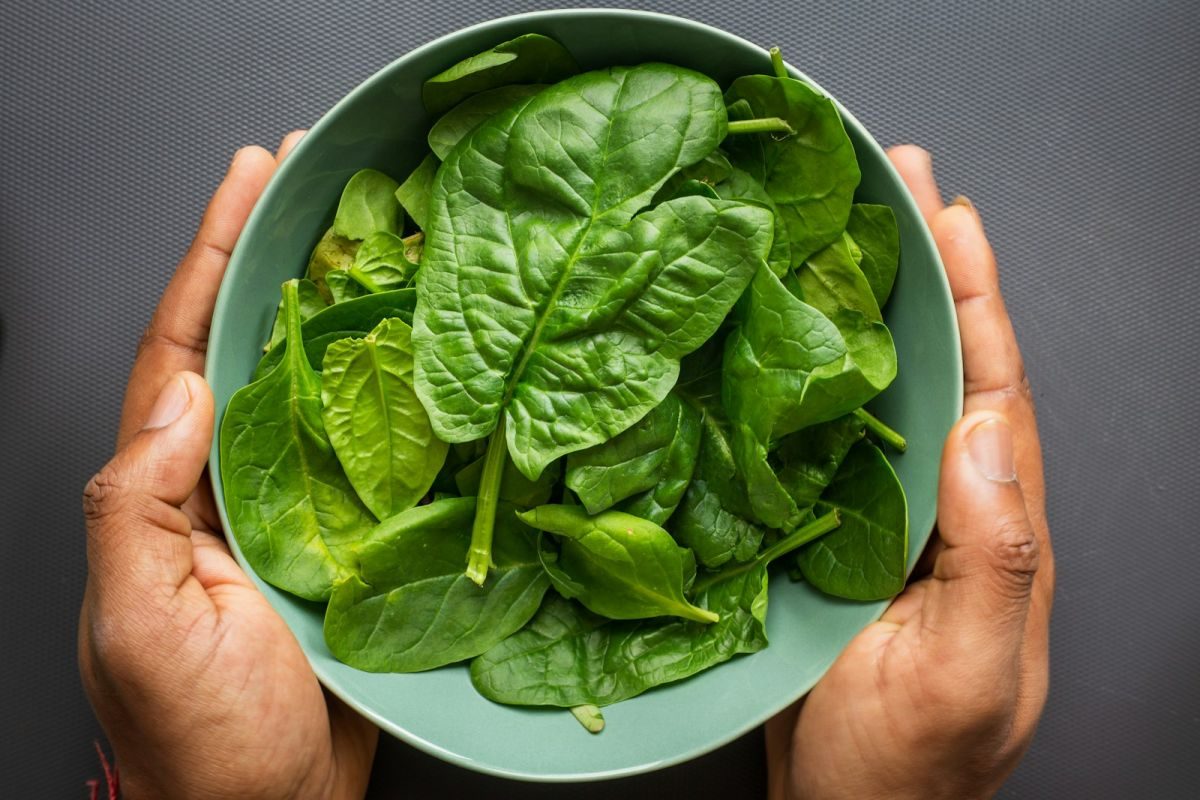
Many people readily identify fatty fish as the primary source of omega 3 essential fatty acids. However, a significant botanical contributor often goes unnoticed: humble spinach. This leafy green isn’t just a side dish; it provides a valuable plant based form of these crucial nutrients.
Understanding spinach’s role in supplying plant derived omega 3s involves looking beyond the more familiar marine sources. Spinach offers alpha linolenic acid, known as ALA, a foundational omega 3 that the body can use. Incorporating more of this leafy green into your daily routine is a practical way to support your dietary intake of these important fats.
Focusing on whole food sources like spinach for plant omega 3 benefits aligns with a balanced nutritional approach. This perspective emphasizes readily available, nutrient dense options that complement a diverse diet. It shows that supporting your omega 3 needs can begin right in your garden or grocery store produce aisle.
What is Alpha Linolenic Acid (ALA)?
Alpha linolenic acid is an essential polyunsaturated fatty acid. The human body cannot produce ALA on its own, meaning it must be obtained directly from dietary sources. This makes ALA a truly indispensable component of nutrition, fundamental for various physiological processes.
ALA serves as the precursor to other omega 3 fatty acids, specifically eicosapentaenoic acid (EPA) and docosahexaenoic acid (DHA). While the body has mechanisms to convert ALA into these longer chain forms, the efficiency of this conversion can vary significantly among individuals. Genetic factors and overall dietary composition play a role in this variability.
This essential fatty acid is integral to maintaining cellular structure and supporting metabolic pathways. Its presence in plant foods underscores the nutritional value inherent in a diverse, plant rich diet. Recognizing ALA’s importance encourages a broader appreciation for vegetarian and vegan omega 3 sources.
ALA Essentials
- Type of Fat: Essential Omega 3 Fatty Acid
- Primary Source: Plant based foods such as flaxseed, chia seeds, walnuts, and leafy greens
- Role in the Body: Precursor to EPA and DHA; supports cellular functions
Dietary Integration Strategy
Regularly consuming foods rich in ALA, like spinach, is a straightforward way to ensure adequate intake. These foods can be incorporated into meals daily.
Spinach’s Nutritional Profile Beyond Omega 3s
Spinach is often hailed as a superfood, and its reputation extends far beyond its ALA content. This leafy green packs a powerful nutritional punch, offering a broad spectrum of vitamins, minerals, and phytonutrients. Its diverse composition contributes significantly to overall wellness.
It’s an excellent source of vitamin K, a nutrient involved in various bodily functions. Spinach also provides substantial amounts of vitamin A, in the form of carotenoids, which the body converts as needed. Additionally, it offers a good supply of vitamin C, folate, and iron, all vital for daily metabolic activities.
The chlorophyll rich leaves contain various antioxidants, including lutein and zeaxanthin. These compounds help manage oxidative stress within the body. The fiber content in spinach also supports digestive regularity and contributes to a feeling of fullness, aiding in dietary management.
Key Spinach Nutrients
- Vitamins: K, A (as carotenoids), C, Folate
- Minerals: Iron, Magnesium, Potassium
- Antioxidants: Lutein, Zeaxanthin, Beta Carotene
- Other: Dietary Fiber, Alpha Linolenic Acid (ALA)
Daily Consumption Recommendation
Aim to include spinach in at least one meal daily. Adding it to smoothies, salads, or cooked dishes increases overall nutrient intake.
The Conversion Process: ALA to EPA and DHA
The body can convert ALA into the longer chain omega 3s, eicosapentaenoic acid (EPA) and docosahexaenoic acid (DHA). This biochemical pathway involves a series of enzymatic reactions, specifically desaturation and elongation steps. These steps essentially modify the ALA molecule, adding carbon atoms and double bonds.
However, the efficiency of this conversion is generally considered limited in humans. Factors influencing this conversion rate include genetics, gender, and the intake of other fatty acids, particularly omega 6s. A higher ratio of omega 6 to omega 3 can sometimes impede the conversion process, as both pathways compete for the same enzymes.
Despite the modest conversion rate, ALA remains a vital nutrient. It possesses its own inherent biological activities, independent of its conversion to EPA and DHA. Consuming ALA rich foods like spinach still provides direct benefits, making it an essential part of a balanced diet.
Conversion Pathway Details
- Starting Point: Alpha Linolenic Acid (ALA)
- Enzymes Involved: Desaturase and elongase enzymes
- End Products: Eicosapentaenoic Acid (EPA), Docosahexaenoic Acid (DHA)
- Conversion Efficiency: Variable and generally low in humans
Nutrient Balancing Practice
Maintaining a balanced intake of omega 3 and omega 6 fatty acids can help support natural metabolic processes. People often discuss dietary ratios with a healthcare professional.
Historical Context of Spinach Consumption
Spinach boasts a rich history, tracing its origins back to Persia thousands of years ago. From its birthplace, it journeyed eastward to China in the 7th century, where it quickly became a highly valued vegetable. Its nutritional density and versatility made it a culinary staple.
By the 11th century, spinach made its way to Europe, initially reaching Spain via the Moors. It gained popularity across the continent during the Middle Ages, particularly in France, where it was appreciated for its tender leaves and palatable flavor. Catherine de’ Medici, a notable figure, is often credited with introducing spinach to French cuisine when she moved from Florence to marry King Henry II.
The vegetable’s reputation for promoting strength and vitality has endured through centuries, famously popularized by characters like Popeye. This long standing history underscores spinach’s consistent role as a beneficial food source across diverse cultures. It speaks to its enduring appeal and recognized health merits throughout generations.
Spinach’s Journey Through Time
- Origin: Persia (modern day Iran)
- Early Adoption: China (7th Century)
- European Introduction: Spain (11th Century), spreading throughout Europe
- Cultural Significance: Valued for nutrition and versatility for centuries
Culinary Exploration Method
Explore traditional recipes that feature spinach from various cultures to appreciate its historical culinary uses. Incorporating these dishes adds variety to modern diets.
Integrating Spinach Into Your Daily Diet for ALA
Maximizing the intake of plant based omega 3s from spinach is simple with a few strategic culinary choices. Spinach is remarkably versatile, making it easy to weave into almost any meal of the day. Its mild flavor adapts well to both raw and cooked preparations.
Adding a handful of fresh spinach to your morning smoothie is an effortless way to start your day with ALA. It blends seamlessly, often without significantly altering the taste. Spinach also elevates the nutritional value of salads, acting as a robust base for other vegetables and proteins.
For cooked applications, wilted spinach can enhance scrambled eggs, stir fries, pasta dishes, and soups. Cooking spinach actually concentrates its nutrients, as its volume reduces dramatically. However, some heat sensitive compounds may be reduced, so a mix of raw and cooked consumption is often ideal.
Spinach Integration Tips
- Raw Applications: Smoothies, salads, sandwiches, wraps
- Cooked Applications: Stir fries, eggs, pasta, soups, casseroles
- Preparation Notes: Consider both raw and cooked forms for diverse nutrient intake
Meal Preparation Suggestion
Keep pre washed spinach on hand for quick additions to any meal. This simple step can increase daily nutrient density.
Raw Versus Cooked Spinach: ALA and Nutrient Retention
The debate between consuming raw or cooked spinach often arises when discussing nutrient intake. Both methods offer distinct advantages and disadvantages regarding ALA and other beneficial compounds. Understanding these differences helps in making informed dietary choices.
Raw spinach retains its full complement of water soluble vitamins, such as vitamin C and some B vitamins, which can be diminished by heat. It also provides a higher volume of certain enzymes. For ALA, the fatty acid itself is generally stable under typical cooking temperatures, so significant loss is not a primary concern for this specific nutrient.
Cooking spinach, however, helps to reduce its oxalic acid content. Oxalic acid can bind with minerals like calcium and iron, potentially making them less available for absorption. The heat also causes the cell walls to break down, which can increase the bioavailability of some fat soluble vitamins and carotenoids like lutein and beta carotene.
| Aspect | Raw Spinach | Cooked Spinach |
|---|---|---|
| ALA Content | Retained | Retained (stable) |
| Vitamin C & B Vitamins | Higher retention | Potentially reduced |
| Oxalic Acid | Higher | Reduced |
| Mineral Absorption | Potentially hindered by oxalates | Improved due to oxalate reduction |
| Carotenoid Bioavailability | Lower | Increased (due to cell wall breakdown) |
Cooking Impact Summary
- ALA Stability: Largely unaffected by cooking
- Raw Benefits: Higher Vitamin C, some enzymes
- Cooked Benefits: Reduced oxalates, improved carotenoid and mineral bioavailability
Diversified Consumption Approach
Incorporate both raw and lightly cooked spinach into your diet to benefit from the full spectrum of its nutrients. People with underlying conditions often work with a qualified healthcare professional for personalized guidance.
Synergistic Nutrients for Overall Well being
Spinach doesn’t just offer ALA in isolation; it comes packaged with a host of other nutrients that work synergistically. These complementary compounds enhance the overall benefits derived from consuming this leafy green. This integrated approach to nutrition is often more effective than focusing on single nutrients.
For instance, the vitamin K in spinach plays a role in various bodily functions. The presence of vitamin C and other antioxidants helps manage oxidative stress. These compounds often collaborate, supporting the body’s natural defense systems and contributing to the maintenance of healthy cells.
Furthermore, spinach contains iron, which is essential for oxygen transport throughout the body. The folate present supports cell division and genetic material synthesis. This combination of ALA with essential vitamins and minerals makes spinach a comprehensive nutritional choice. This information is educational and not a substitute for medical advice.
Spinach’s Nutritional Synergy
- ALA + Antioxidants: Supports cellular health
- ALA + Vitamins (K, C, Folate): Contributes to metabolic functions
- ALA + Minerals (Iron, Magnesium): Supports energy and systemic well being
Holistic Dietary Practice
Focus on consuming whole, unprocessed foods like spinach that naturally offer a wide array of synergistic nutrients. This approach supports comprehensive dietary needs.
Common Misconceptions About Plant Omega 3s
Several misconceptions often surround plant based omega 3s, particularly ALA. One common belief is that ALA is ineffective because the body’s conversion to EPA and DHA is inefficient. While conversion rates vary, ALA itself has distinct biological activities and provides foundational benefits.
Another misunderstanding is that all omega 3s are interchangeable. While EPA and DHA, predominantly found in marine sources, are crucial for specific physiological roles, ALA offers its own unique advantages. It’s an essential fatty acid regardless of conversion rates and must be consumed through diet.
Some people assume that if they aren’t eating fish, they aren’t getting any omega 3s. This overlooks the rich variety of plant sources available, including spinach, flaxseed, chia seeds, and walnuts. Plant based diets can indeed provide ample ALA, contributing to overall omega 3 intake and balance within the body.
Clarifying Plant Omega 3s
- Misconception 1: ALA is useless due to low conversion.
- Reality: ALA has independent benefits and is an essential nutrient.
- Misconception 2: All omega 3s are the same.
- Reality: ALA, EPA, and DHA have distinct roles, though ALA is a precursor.
- Misconception 3: Only fish provide omega 3s.
- Reality: Many plants offer ALA, an essential omega 3.
Informed Dietary Planning
Educate yourself on the different forms of omega 3s and their sources to make informed dietary choices that align with your health goals. Consider consulting with a nutritionist for personalized advice.
Frequently Asked Questions
Can I get enough omega 3 from spinach alone?
Spinach contributes ALA, an essential plant omega 3, to your diet. While it’s a valuable source, a diverse diet incorporating other ALA rich foods like flaxseed, chia seeds, and walnuts is often recommended for comprehensive omega 3 intake.
Does cooking spinach destroy its ALA content?
No, ALA is relatively stable under typical cooking temperatures. You won’t significantly lose the omega 3 content when you cook spinach. In fact, cooking can enhance the bioavailability of other nutrients in spinach by breaking down cell walls.
What is the difference between ALA, EPA, and DHA?
ALA (alpha linolenic acid) is a short chain omega 3 found in plants and is essential for humans. EPA (eicosapentaenoic acid) and DHA (docosahexaenoic acid) are longer chain omega 3s, primarily found in marine sources. The body can convert ALA to EPA and DHA, but this process is often inefficient.
Are there any considerations when consuming large amounts of spinach?
Spinach contains oxalic acid, which can bind with minerals like calcium. While generally not an issue in moderate amounts, people with certain kidney conditions may discuss their intake with a healthcare professional. Cooking spinach helps reduce oxalic acid levels.
The Bottom Line
Spinach stands as a surprisingly significant source of plant derived omega 3s in the form of alpha linolenic acid. Its rich nutritional profile, extending beyond ALA, makes it a valuable addition to any diet. Understanding ALA’s role and its presence in foods like spinach empowers informed dietary choices.
While the body’s conversion of ALA to EPA and DHA varies, the inherent benefits of ALA itself are undeniable. Regularly incorporating spinach into your meals offers a straightforward, whole food approach to supporting your overall nutrient intake. Research from the National Institutes of Health provides further insight into essential fatty acids.
Next Steps for Dietary Enrichment
Begin by adding one serving of fresh or lightly cooked spinach to your daily meals for a tangible boost in plant based nutrition.
Get Your FREE Natural Health Guide!
Subscribe now and receive our exclusive ebook packed with natural health tips, practical wellness advice, and easy lifestyle changes, delivered straight to your inbox.