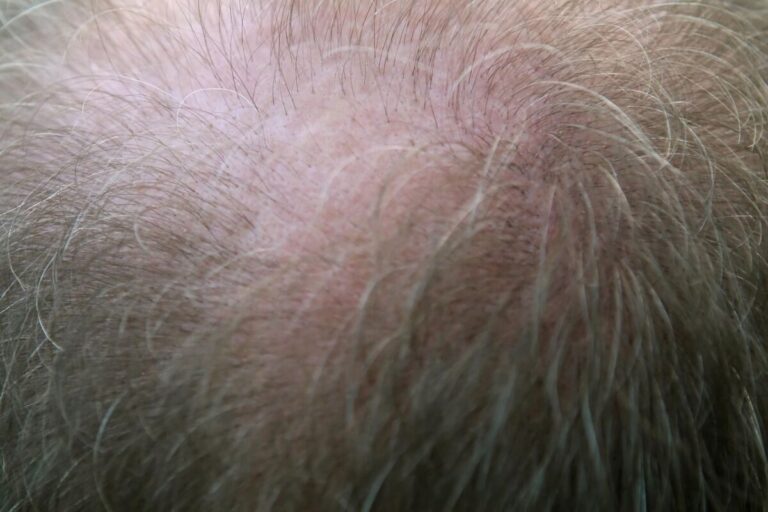
The Collective Struggle With Intermittent Fasting And Diffuse Hair Shedding
We often gather at our kitchen tables to share stories about the latest wellness trends. Many of us try scheduled eating patterns to improve our energy levels or metabolic markers. It feels common to see friends grapple with the unexpected realization that our locks feel thinner after months of strict adherence to these cycles.
When the body faces rapid shifts in caloric intake, it shifts priorities to keep core systems running. Hair growth ranks low on the priority list when the system senses a lack of fuel. The hair cycle is quite sensitive to changes in how we nourish ourselves day to day.
Intermittent fasting and diffuse hair shedding often occur together when the body enters a period of prolonged energy deficit. This temporary phase, known as telogen effluvium, happens as follicles pause production to conserve resources during metabolic stress. The process typically reverses once the body receives consistent, adequate nutrition to support all internal functions.
Key Takeaways
- Rapid weight loss or severe calorie restriction can trigger hair loss in 50 percent to 70 percent of individuals within three months.
- The hair growth cycle requires a daily intake of at least 1,200 calories to maintain structural integrity in most adult women.
- Nutrient gaps involving iron, zinc, and B12 often manifest as hair changes within 90 to 120 days of dietary shifts.
Metabolic Stress And Nutrient Availability
Our hair follicles are some of the fastest growing cells in the human body. They require a steady stream of amino acids and minerals to stay active. When we restrict eating windows too tightly, we sometimes fail to pack enough density into our meals.
The body does not view hair as a survival requirement. It will pull energy away from non essential functions to support the heart and brain. Research from the National Institutes of Health clarifies how physiological stressors impact the natural cycle of shedding and regrowth.
If the diet lacks variety, the follicles struggle to maintain their rhythm. A plate filled with only greens might provide volume but fail to offer the necessary building blocks for keratin. We must prioritize protein at every single eating opportunity to signal safety to our systems.
Calculating Your Daily Protein Needs
I have observed that many people underestimate the raw mass of protein required to sustain hair density. A simple calculation helps determine if your current intake supports your goals. Take your body weight in pounds and multiply it by 0.7 to find your base daily protein goal in grams.
For a 150 pound individual, this equates to 105 grams of protein per day. If you condense all your eating into a six hour window, you must consume roughly 35 grams of protein per meal to reach this target. This amount is difficult to digest in one sitting, making nutrient absorption a significant challenge.
| Nutrient Category | Daily Requirement | Impact On Follicles |
|---|---|---|
| Complete Protein | 0.8g per pound | Supplies amino acids |
| Iron Reserves | 18mg for women | Transports vital oxygen |
| Zinc Levels | 8mg to 11mg | Repairs cell structure |
Understanding The Physiological Shift Of Hair Cycles
Hair moves through phases of growth, transition, and rest. During a period of intense restriction, a large percentage of follicles move into the resting phase simultaneously. This creates a noticeable increase in hair found in brushes or shower drains.
This event is rarely permanent, provided the underlying stressor is removed. Studies from the National Library of Medicine explain how systemic triggers move follicles into a premature dormant stage. The goal is to return the system to a state of calm balance.
Patience remains the hardest part of the recovery process. The hair cycle takes months to reset, meaning you might see shedding continue even after you change your eating habits. Stay consistent with your new intake to allow the body the time it needs to recover.
Common Pitfalls In Restricted Eating
Some individuals fall into the trap of skipping breakfast while still exercising at a high intensity. This creates a large energy gap that the body must bridge with stored reserves. While this sounds efficient, it often leads to elevated levels of stress hormones.
These hormones interfere with the normal signaling that tells hair to grow. Focusing on gentle movement while eating during broader windows often mitigates this risk. Always listen to signs of fatigue or cold extremities as these indicate your system is working harder than it should.
Quality of food matters as much as the timing of the meal. Relying on simple carbohydrates or refined fats during your eating window does not provide the fuel required for hair maintenance. Whole foods remain the most reliable way to supply your body with the complexity it needs.
Essential Minerals For Follicular Integrity
Deficiencies in iron are common among those who limit their food intake. A lack of iron makes it difficult for oxygen to reach the scalp. Check your levels through standard blood work if you notice ongoing issues with hair density.
Zinc serves as another crucial player in the repair of cellular tissue. Most people find it challenging to consume enough zinc through plants alone. Research from the Centers for Disease Control highlights how consistent mineral intake serves as a foundation for metabolic wellness.
Incorporating diverse sources like shellfish, legumes, and lean meats covers most bases. Do not rely on supplements to fix a fundamental deficit in your primary diet. Real food provides cofactors that allow these minerals to work more efficiently within the body.
Frequently Asked Questions
Can I stop shedding immediately by eating more food?
Recovery for hair density is a slow process that follows a fixed timeline. Once the trigger has been removed, the follicles still need to complete their current resting phase before new growth appears. You should expect the cycle to take at least three to six months to show visible changes in density.
Eating more food will help your body signal safety to your systems. This transition requires consistent intake and patience. Avoid the temptation to restrict your calories again when you feel frustrated by the lack of immediate results.
Does the type of fast influence hair loss risk?
The total duration of your fast matters more than the specific style. Short fasts often allow the body to maintain stability if you eat enough between them. Longer periods without fuel increase the risk of systemic stress and subsequent hair shedding.
If you prefer a specific style, focus on the quality of your refeed period. Ensure you reach your daily protein and mineral targets during your open windows. If you continue to see hair loss, consider narrowing your fasting windows to give your body more time to manage its energy stores.
How do I know if my shedding is linked to diet?
Timing serves as the best clue for identifying the root cause of your hair changes. Most cases linked to dietary shifts appear three months after a significant change in intake. If you notice your shedding began shortly after starting a new protocol, it is likely the primary factor.
Consult a professional to rule out other reasons like hormonal fluctuations or thyroid imbalances. Having a baseline for your mineral levels before you begin any change helps you track changes. Use blood tests to ensure your iron and zinc levels remain within a healthy range.
Is it safe to continue fasting while my hair recovers?
Most individuals find it helpful to pause or modify their schedule while their body recovers. Giving your system a break from the stress of restriction allows it to prioritize tissue repair. You can slowly reintroduce your preferred schedule once you notice consistent new growth and stable energy levels.
Listen to your body during this time of recovery. If you feel tired or cold, you likely need more fuel than your current schedule provides. Prioritize your long term health over short term adherence to a strict eating plan.
Will my hair grow back exactly as it was before?
In most instances, hair returns to its previous state once the system achieves nutritional stability. The follicles remain intact throughout the shedding process and are waiting for the right conditions to start working again. You should see a slow return of thickness over several months of steady nutrition.
Keep your scalp health in mind by using gentle products and avoiding excessive heat styling. Focusing on overall wellness and stress management will provide the best environment for your hair to recover. Maintain a balanced approach to eating to prevent future disruptions to your hair cycle.
The Bottom Line
Recognizing the connection between Intermittent Fasting And Diffuse Hair Shedding allows for better decision making. When the body lacks sufficient energy, it naturally prioritizes survival over hair maintenance. Focus on high quality proteins and adequate mineral intake to signal safety to your follicles.
Return your eating habits to a rhythm that provides consistent fuel throughout the day. Monitor your hair density over the next few months as your system adjusts. Never stop or change any medication without consulting the provider who recommended it. Consult a licensed healthcare provider before starting any new wellness routine.
Get Your FREE Natural Health Guide!
Subscribe now and receive our exclusive ebook packed with natural health tips, practical wellness advice, and easy lifestyle changes, delivered straight to your inbox.