
The Collective: We often equate wellness with the obvious markers of health like energy levels or sleep quality, yet we frequently overlook the silent, internal rhythms that keep our systems moving forward. Many individuals walk through their day without realizing that the minor, persistent physical cues they dismiss are actually signals from their vascular network asking for more attention. Understanding these subtle indicators is a necessary step toward maintaining long-term physical vitality.
In my work as a wellness researcher, I find that men often ignore these small warnings until they become significant distractions during daily tasks. Recognizing the nuances of how the body maintains flow can help any reader stay proactive about their personal well-being. These subtle hints often manifest as localized discomfort or temperature changes that occur long before a condition becomes apparent.
Signs of a sluggish circulatory system in men include cold extremities, persistent muscle fatigue, and unexplained skin color changes in the lower limbs. These markers suggest that blood delivery to distal tissues is not meeting the demands of the body. Addressing these indicators through lifestyle choices often helps individuals maintain better systemic flow.
Key Takeaways
- Peripheral skin temperatures below 90 degrees Fahrenheit may indicate reduced surface blood delivery.
- Healthy resting heart rates typically range from 60 to 100 beats per minute for most adults.
- Capillary refill time on the fingernail bed should ideally return to pink color within 2 seconds of pressure release.
Identifying Signs Of A Sluggish Circulatory System In Men
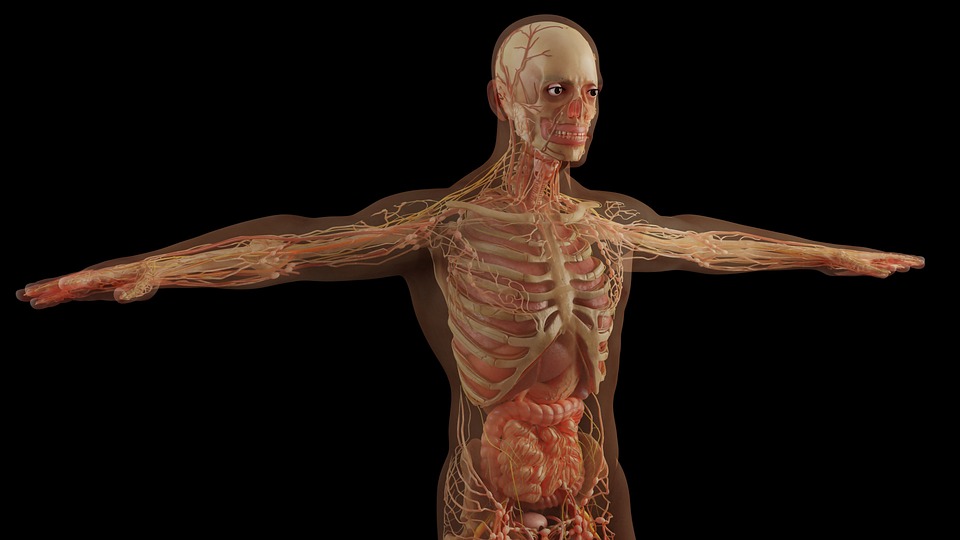
The human vascular network functions like a sophisticated plumbing system, relying on consistent pressure and clear pathways to deliver oxygen. When this system slows, the most distant areas of the body, specifically the hands and feet, often show the first signs of change. I focus on these external indicators because they provide a non-invasive window into how well the heart and vessels are working together.
Persistent coldness in the fingers, even in warm environments, represents a common observation. This occurs when the body restricts flow to the periphery to prioritize the core organs. It is worth tracking if this happens alongside other factors like numbness or tingling sensations.
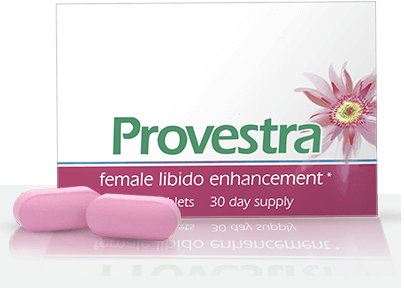
Provestra™ Women's Vitality Formula
- 100% herbal daily formula designed to support foundational female health and natural intimate wellness
- Provides botanical support for physical comfort, natural moisture, and emotional balance
- Doctor-approved capsule manufactured in a cGMP-compliant facility without synthetic hormones
Physical stamina also offers a clear metric for internal performance. If walking up a short flight of stairs leads to heavy legs or unexpected breathlessness, the oxygen delivery rate might be struggling. Research from the National Institute on Aging notes that maintaining regular movement helps support the elasticity of vessels over time.
The Role Of Activity In Supporting Vascular Flow
Movement acts as a natural pump for the venous system. Muscles contract and squeeze veins, which assists the return of blood back to the heart. When someone remains stationary for long periods, this pump mechanism stalls.
I suggest integrating micro-movements throughout the workday to keep the blood moving. These do not need to be intense sessions at the gym to make a difference.
- Ankle Pumps: Sit in a chair and lift your heels while keeping your toes on the ground, then reverse the motion.
- Calf Raises: Stand and lift your heels off the floor, then lower them slowly to engage the lower leg muscles.
- Walking Breaks: Take five minutes every hour to pace the room or stretch the legs to prevent pooling.
Understanding Nutrients And Fluid Balance
Hydration plays a foundational role in the viscosity of blood. When fluid intake is low, blood volume decreases, and the concentration of components in the blood can shift. Proper water consumption ensures that the heart does not have to work harder to push thicker blood through the vessels.
Dietary choices also influence the health of the vessel walls. Consuming foods high in nitrates, like leafy greens, can support the natural production of nitric oxide. This molecule helps vessels relax and widen, which naturally improves the ease of transit for blood flow.
The following table outlines key nutritional factors that support vascular function.
| Nutrient Source | Primary Function | Daily Goal |
|---|---|---|
| Leafy Greens | Provides natural nitrates | Two cups daily |
| Omega Three Fats | Supports vessel flexibility | Two servings weekly |
| Hydrating Fluids | Maintains blood volume | Three liters total |
The Impact Of Temperature On Peripheral Flow
Environmental temperature triggers automatic reactions in the nervous system to protect core heat. When the air is cold, the body constricts surface vessels to keep warm blood near the vital organs. For those with already slow flow, this creates a situation where the extremities feel icy for extended periods.
Internal temperature regulation also involves the metabolic rate. Individuals who maintain a consistent core temperature through regular exercise often report better comfort in cool environments. Guidance from the National Library of Medicine explains that physical activity levels influence how effectively the body manages heat distribution to the limbs.
Wearing layers allows for better control over personal comfort. If you find your hands are consistently cold despite wearing gloves, it may be time to assess your overall activity levels. Consistent, moderate movement helps train the body to maintain better distribution of warmth.
Practical Examples Of Vascular Monitoring
Monitoring your own health does not require complex equipment. You can practice simple self-checks to understand your current status. One effective way is checking the color of your nail beds after applying light pressure.
If the color returns to a healthy pink state quickly, it indicates that the small vessels are responding well. If the area stays white or pale for several seconds, it suggests the blood flow is less efficient in that area. Keeping a log of these observations over a month can help you identify trends.
You might also track your resting heart rate each morning. A steady rate usually suggests a heart that is pumping effectively without undue stress. Data from the Centers for Disease Control highlights that healthy lifestyle choices are central to supporting long-term heart and vessel integrity.
Common Barriers To Consistent Flow
Sedentary habits act as the primary barrier for most individuals. The modern office environment encourages sitting for eight or more hours, which puts constant pressure on the posterior thighs and reduces venous return. This creates a state where blood essentially pools in the lower extremities.
Smoking and nicotine use present another significant hurdle. These substances contribute to the narrowing of vessels and increase the workload on the heart. Even occasional use interferes with the ability of vessels to expand and contract as needed during physical exertion.
Stress also plays a hidden role in restricting flow. During high-stress moments, the body releases hormones that signal the vessels to narrow in preparation for action. If this state persists, the vessels remain in a state of tension that makes it difficult to maintain smooth movement.
Frequently Asked Questions
What does it mean if my feet are constantly cold?
Constantly cold feet often suggest that the peripheral vessels are not receiving enough blood to maintain a comfortable temperature. This happens when the body prioritizes the core, but it can also be a sign of low muscle engagement in the calves or ankles.
Consistent movement and targeted leg exercises often help address this sensation. If the issue remains persistent despite regular activity, it is helpful to look at factors like room temperature, hydration, and overall cardiovascular health.
Can diet improve how blood flows through the body?
Dietary patterns have a major influence on the health of vessel linings. Foods that support natural nitric oxide production allow vessels to stay flexible and open, which reduces the resistance against which the heart must pump.
Focusing on whole foods like dark leafy greens, berries, and nuts provides the building blocks for healthy vascular tissue. Reducing high-sodium processed foods also helps manage fluid balance, which keeps blood volume stable.
Are supplements a good solution for poor circulation?
Supplements are a tool for filling nutritional gaps, but they are rarely a substitute for lifestyle changes. Certain plant-based extracts are known to support vessel elasticity, but they work best when combined with regular movement and a balanced diet.
Before adding any new supplement to your routine, it is necessary to look at your current medications and dietary needs. Some compounds interact with blood thinners or other wellness protocols, so caution is always the right approach.
Why does sitting too long affect my leg health?
Gravity makes it harder for blood to travel from the lower legs back up to the heart. When you sit for long periods, the lack of muscle contraction means the veins lose the support they need to push blood upward against gravity.
The resulting pooling of blood can cause heaviness and fatigue in the legs. Incorporating short standing breaks or simple leg movements every hour effectively combats this issue by utilizing the muscle pump effect.
How does stress impact the way my vessels function?
The nervous system responds to stress by tightening the vessel walls to conserve resources. While this is a survival trait meant for short bursts of action, chronic stress keeps the vessels in a state of reduced diameter.
Finding ways to calm the nervous system, such as through deep breathing or quiet downtime, can help the vessels return to a relaxed state. This supports better flow throughout the day and helps reduce the internal tension that limits circulation.
The Bottom Line
Observing Cold Hands And Other Subtle Signs Of Poor Circulation is an effective way to stay attuned to your body’s needs. By noticing these signals early, you can implement small changes that support long-term vascular health.
Prioritize regular movement, stay hydrated, and manage stress to keep your internal systems functioning smoothly. If you notice persistent changes or discomfort, consult a licensed healthcare provider before starting any new wellness routine.
Note: This content is for educational purposes only and does not constitute medical advice. Never stop or change any medication without consulting the provider who recommended it. Individuals with known heart conditions or vascular history should seek professional guidance.
Get Your FREE Natural Health Guide!
Subscribe now and receive our exclusive ebook packed with natural health tips, practical wellness advice, and easy lifestyle changes, delivered straight to your inbox.