The Science Behind Coconut Oil Pulling for Healthy Gums
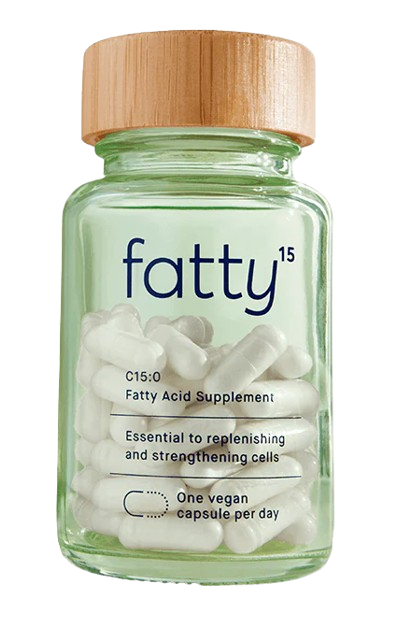
fatty15™ C15:0 Essential Fatty Acid
- Science-backed, pure C15:0 supplement designed to provide foundational support for cellular health
- Promotes balanced metabolism, steady daily energy, and healthy aging from the inside out
- Vegan-friendly, pure, and manufactured in a cGMP-compliant facility
I often notice friends and readers searching for low-cost, accessible ways to support their daily oral hygiene rituals. The idea of using common kitchen fats to rinse the mouth has gained significant interest in mainstream wellness circles lately. Many people look for natural alternatives to conventional products to manage their daily oral care.
This practice involves swishing a specific amount of oil around the oral cavity for several minutes. The movement forces the liquid between teeth and along the gum line to reach areas that a standard brush might miss. Advocates suggest that this process helps dislodge debris and keeps the mouth feeling clean.
Coconut oil pulling for healthy gums is a traditional practice where individuals swish high-quality lipid sources around the mouth for 10 to 20 minutes daily. This technique aims to reduce the bacterial load in the oral environment by physically lifting particles from the surface of teeth and soft tissues. While it serves as a helpful addition to brushing, it does not replace the necessity of professional dental cleanings.
Key Takeaways
- Studies show that consistent lipid swishing reduces levels of Streptococcus mutans in the saliva within two weeks of daily practice.
- The average duration for effective swishing ranges from 10 to 20 minutes to ensure the fat emulsifies with the saliva.
- Clinical data suggests that regular oil rinsing helps lower plaque index scores by creating a temporary barrier on the tooth enamel.
Understanding The Oral Microbiome Dynamics
The mouth functions as a complex ecosystem that requires balance to remain stable. Bacteria constantly form a sticky biofilm on the surfaces of our teeth and gums. If left unmanaged, this accumulation contributes to unwanted sensitivity and inflammation.
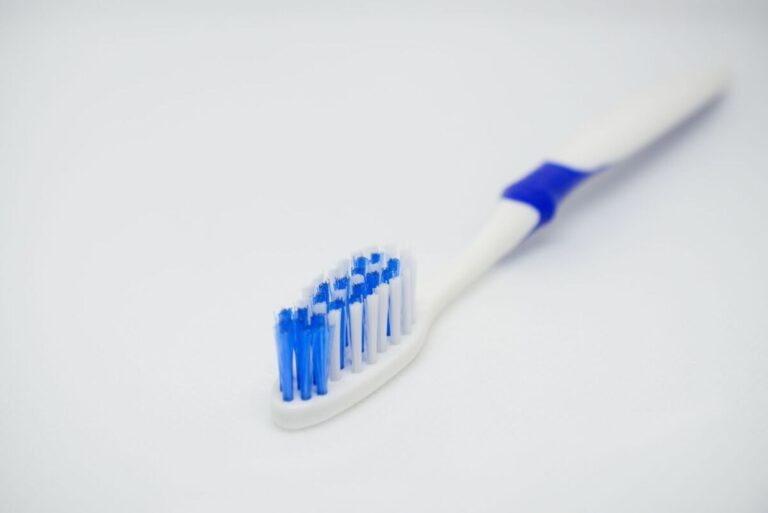
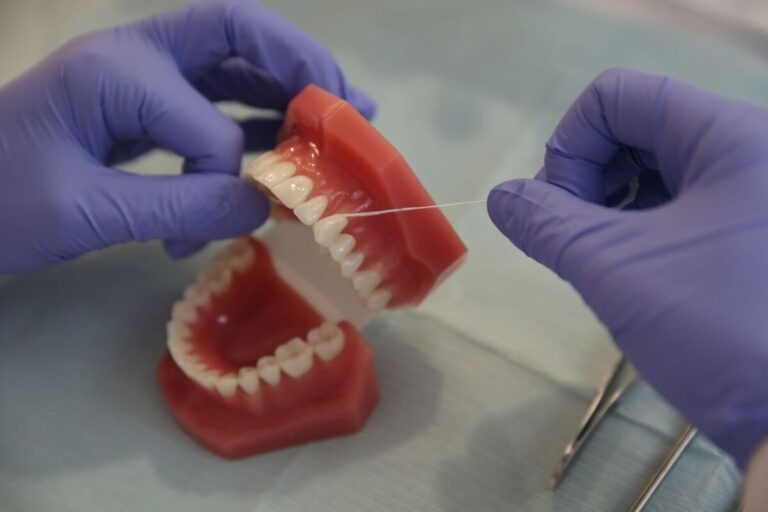
Modern research from the National Institutes of Health emphasizes that mechanical cleaning is the primary method for maintaining healthy soft tissues. Brushing and flossing remain the gold standard for removing this persistent film. Lipid rinsing acts only as a secondary tool to complement these established actions.
When you introduce fat into the mouth, it changes the physical environment. The oils trap hydrophobic debris that water-based rinses might leave behind. This process clears the way for more effective brushing afterward.
Optimizing Daily Rinsing Procedures
Efficiency matters when you incorporate this step into a busy morning schedule. You want to ensure you reach all quadrants of the mouth without causing jaw fatigue. Start small if the sensation feels unfamiliar.
Follow these steps to conduct the practice correctly:
- Select your fat: Choose unrefined, organic, virgin lipid sources that remain solid at room temperature for the best results.
- Measure the amount: Use exactly one tablespoon of the substance to avoid overflowing the mouth while swishing.
- Timing the effort: Swish slowly and gently for 10 minutes to allow the lipids to move through the gaps between your teeth.
- Dispose safely: Spit the liquid into a trash bin rather than the sink to prevent potential drain blockages from the solidified fats.
Comparative Analysis Of Rinsing Agents
Many people wonder how lipid swishing compares to traditional chemical mouthwashes. It is important to distinguish between mechanical action and chemical antiseptic properties.
| Agent Type | Primary Function | Usage Duration |
|---|---|---|
| Coconut Lipids | Physically removes debris | 10 to 20 minutes |
| Alcohol Mouthwash | Chemical bacterial reduction | 30 to 60 seconds |
| Salt Water | Soothes inflamed tissue | 1 minute |
The Importance Of Mechanical Cleaning
No amount of oil can replace the physical removal of hardened deposits. You must prioritize your morning and evening scrubbing sessions above all other tasks. The Centers for Disease Control supports the use of fluoride-based products to strengthen enamel integrity over time.
Consistency serves as the biggest factor in success. If you only practice this occasionally, you will likely not see the changes you desire in your gum health. Commitment to a daily regimen produces the best outcomes for your oral hygiene.
If you experience persistent bleeding or pain, seek a professional evaluation immediately. Do not rely on home practices to manage active infections or dental decay. Never stop or change any medication without consulting the provider who recommended it.
Real World Application Barriers
Many individuals find the time requirement difficult to maintain. Setting aside 20 minutes every morning requires a shift in your daily sequence. Consider performing the swishing while you prepare coffee or complete other bathroom tasks.
The texture of the fat can also present a barrier for some users. Start with a smaller amount to build tolerance for the sensation in your mouth. Over time, the routine becomes a natural part of your morning flow.
Quality matters for the materials you choose. Avoid products with synthetic fragrances or artificial additives that offer no benefit to your oral health. Stick to pure, food-grade ingredients for your safety.
Nutritional Support For Tissue Integrity
Healthy gums depend on more than just external cleaning. Your internal health reflects in the resilience of your oral soft tissues. Research from the National Library of Medicine highlights the role of micronutrients in maintaining supportive structures.
Vitamin C plays a significant role in collagen production throughout the body. Ensure your diet includes plenty of colorful vegetables and fruits to support your overall wellness. A balanced approach combines external cleaning with internal nourishment.
Hydration also supports the health of your oral cavity. Saliva production relies on adequate water intake to wash away stray food particles. Drink enough fluid throughout the day to keep your mouth environment stable.
Frequently Asked Questions
Can this practice replace the need for dental floss?
No, this technique cannot replace flossing or brushing. Mechanical devices like floss are designed to reach tight contact points between teeth where a liquid rinse cannot penetrate. Think of this habit as a supplement to your existing routine rather than a replacement for necessary tools.
How often should I incorporate this into my week?
The best results occur with daily application. Many people prefer to start the morning with a quick swish to wake up the mouth and clear out stagnant saliva. Consistency is far more important than the intensity of the swishing.
Are there any specific risks I should consider?
Lipid rinsing is generally safe for most healthy adults. However, individuals with a history of digestive issues might feel nauseated by the taste or texture. Always spit the substance into the trash to avoid clogging your home plumbing system.
Does the type of oil make a difference?
Most studies focus on cold pressed versions due to the content of fatty acids. These specific chains are thought to interact with the oral biofilm effectively. Avoid processed fats that contain additives or refined components which might introduce unwanted residues.
When will I see measurable results in my mouth?
Individuals usually notice a change in the sensation of smoothness on their teeth within a few weeks. However, visible changes in tissue color or reduction in inflammation take longer to emerge. Use a mirror and observe the health of your gums over a period of three months to track progress.
The Bottom Line
Adding a lipid rinse to your morning schedule is a simple way to support your daily oral hygiene. Focus on consistent, long-term habits rather than seeking instant outcomes. Coconut oil pulling for healthy gums provides a useful mechanical boost to your brushing and flossing routine.
Commit to the process for at least four weeks to observe how your mouth responds. Always prioritize your scheduled professional dental visits to monitor long-term health markers.
This information is for educational purposes only. It is not intended for individuals with severe periodontal concerns or those requiring specific interventions. Consult a licensed healthcare provider before starting any new wellness routine.
Get Your FREE Natural Health Guide!
Subscribe now and receive our exclusive ebook packed with natural health tips, practical wellness advice, and easy lifestyle changes, delivered straight to your inbox.