Supporting Tissue Health and Natural Care for Receding Gums in Elderly Individuals
I often witness the subtle shifts in physical health that accompany the aging process. One persistent observation involves the gradual exposure of tooth roots as the surrounding soft tissues pull away. This transition creates sensitivity and changes the aesthetic appearance of a smile.
Maintaining oral integrity remains a priority as the body ages. Providing the mouth with the right environment helps keep the supporting structures stable. Soft tissues require consistent, gentle attention to remain firm and protective against external irritants.
Natural care for receding gums in elderly persons focuses on gentle cleaning techniques, targeted nutritional support, and the reduction of mechanical stress on delicate tissues. These practices prioritize the preservation of existing tissue by managing inflammation and supporting the structural components of the periodontal environment.
Key Takeaways
- Periodontal health impacts roughly 47 percent of adults over the age of 30, with prevalence increasing significantly in older populations.
- Clinical data suggests that adequate intake of vitamin C, within the range of 75 to 90 milligrams daily, supports the integrity of connective fibers.
- Professional assessments verify that soft tissue displacement is often linked to localized inflammation levels exceeding standard baseline measures.
Nutritional Foundations for Soft Tissue Integrity
The mouth serves as a window into systemic wellness. When systemic nutrient levels drop, local tissues often show the first signs of stress. Focusing on specific food groups helps provide the building blocks necessary for maintaining structural firmness.
Connective tissues rely on a steady supply of vitamins and minerals to maintain their elasticity. Research from the National Institute of Dental and Craniofacial Research suggests that systemic health and oral health are deeply interconnected. Including these specific nutrients can support the body in its efforts to preserve periodontal health.
- Vitamin C acts as a primary cofactor for the stability of collagen fibers in the body.
- Coenzyme Q10 plays a role in energy production within cells, which may assist in the renewal of localized tissues.
- Omega-3 fatty acids help manage the body’s internal response to irritation and stress.
Methods for Gentle Mechanical Maintenance
Harsh brushing techniques represent a common factor in accelerated tissue loss. Many individuals mistakenly believe that applying more force leads to a cleaner mouth. In reality, moderate pressure is safer for fragile surfaces.
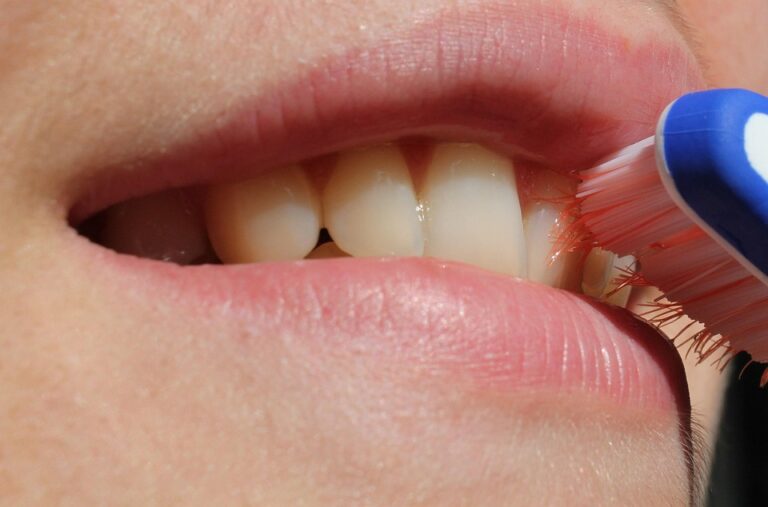
Switching to a soft-bristled tool minimizes the impact on sensitive areas. Aim for circular motions rather than aggressive back-and-forth scrubbing. This approach keeps the surfaces clean without inducing further physical irritation to the delicate edges of the tissue.
| Practice | Frequency | Outcome |
|---|---|---|
| Soft brushing | Twice daily | Reduced friction |
| Interdental cleaning | Once daily | Lowered debris |
| Hydration | Throughout day | Improved saliva |
Demonstrating Proper Oral Cleaning Dynamics
Effective care requires a calculated approach to pressure and timing. When performing manual cleaning, utilize a timer to ensure adequate coverage without excessive friction. The goal is to remove biofilm while protecting the attachment point of the tissue.
Follow these specific steps to optimize the physical cleaning process:
- Apply light pressure by holding the brush handle with only two fingers instead of a full palm grip.
- Angle the bristles at a 45-degree tilt toward the junction where the tooth meets the gumline.
- Use circular strokes for exactly 120 seconds to cover all surfaces without scrubbing the root area.
Hydration and Salivary Function
Saliva functions as the primary defense mechanism against bacterial accumulation. As metabolism shifts with age, some individuals notice a decrease in moisture levels. Adequate water intake supports the natural flushing process of the mouth.
Saliva contains essential minerals that fortify surfaces against decay. Guidance from the Centers for Disease Control and Prevention highlights that maintaining optimal moisture levels helps prevent the conditions that lead to tissue degradation. Staying hydrated ensures that these protective fluids remain consistent throughout the day.
Managing Stress and Localized Irritation
Physical stress from clenching or grinding teeth can exacerbate tissue issues. These habits often occur during sleep or periods of high mental demand. Identifying these patterns helps in minimizing the mechanical load on the teeth and their supporting structures.
Relaxation techniques, such as guided breathing or facial massage, can help release the tension held in the jaw. By reducing the physical force exerted on the teeth, individuals provide their tissues the necessary respite to remain stable. Consistency in managing these factors remains the most reliable path forward.
The Connection Between Systemic Factors and Tissue Health
Beyond local care, the state of the entire body influences how well the mouth maintains itself. Cardiovascular wellness and metabolic regulation affect how blood flows to the small vessels in the oral cavity. A healthy circulatory system delivers the oxygen needed for regular tissue repair.
Engaging in moderate physical activity improves blood flow to all extremities, including the head and neck. Evidence from the National Library of Medicine shows that systemic inflammation management is a core component of supporting long term periodontal outcomes. Prioritizing movement and whole-food nutrition creates a supportive internal environment.
Frequently Asked Questions
Can tissue lost to recession naturally grow back?
Once tissue has pulled away from the tooth, it does not regenerate or regrow on its own. The primary focus of a healthy routine is to prevent further loss and stabilize the area.
Focusing on the management of underlying stressors and maintaining high standards of hygiene helps protect the remaining tissue. Maintaining this status quo is the intended goal for most individuals.
Does a specific diet help with this condition?
A diet rich in whole foods, specifically those high in vitamin C and antioxidants, supports the health of soft tissues. These nutrients play a role in maintaining the structural components of the mouth.
Prioritizing leafy greens, citrus fruits, and lean proteins provides the systemic support needed for repair and maintenance. Avoiding excessive processed sugars reduces the risk of inflammation that can worsen the situation.
How often should I change my cleaning tool?
It is recommended to replace your brush every three months or sooner if the bristles appear frayed. Frayed bristles lose their ability to clean effectively and may increase friction on sensitive tissues.
Using a tool that is not compromised ensures the cleaning process remains gentle. Keeping track of the calendar or using a visual reminder helps maintain this consistent replacement schedule.
Is oil pulling a recommended practice?
Oil pulling serves as a traditional method for managing the microbial environment in the mouth. While many find it pleasant, it should not replace established cleaning methods like brushing or flossing.
Using high quality coconut or sesame oil for a few minutes daily may help reduce surface debris. Always ensure the mouth is thoroughly rinsed after the process is finished.
When should a professional be consulted?
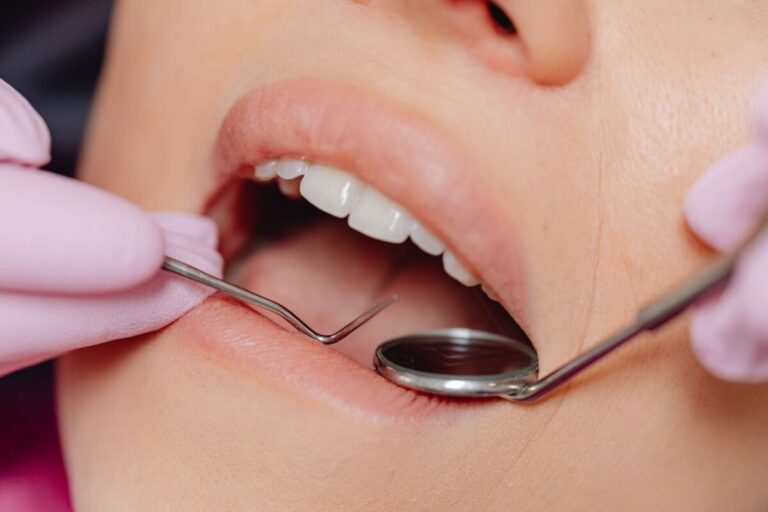
If sensitivity becomes intense or if you notice significant mobility in your teeth, reaching out to a professional is necessary. These signs indicate that the support system may be compromised beyond the reach of standard home care.
Early identification of these changes allows for timely guidance from a dentist. Never stop or change any medication without consulting the provider who recommended it.
The Bottom Line
Natural care for receding gums in elderly individuals centers on the balance between gentle mechanical cleaning and systemic nutritional support. By reducing friction and prioritizing nutrient density, you create the best environment for your soft tissues to remain healthy.
Consistency in your daily routine remains the most important factor for success. Monitor the area for any changes and maintain a steady rhythm of care.
This information is for educational purposes only. It is not intended for individuals with advanced periodontal disease or acute dental emergencies. Consult a licensed healthcare provider before starting any new wellness routine.
Get Your FREE Natural Health Guide!
Subscribe now and receive our exclusive ebook packed with natural health tips, practical wellness advice, and easy lifestyle changes, delivered straight to your inbox.