I feel the phantom ache in the upper right abdomen when I hear about someone abruptly shifting their metabolic fuel source. It is that specific, localized sensation that makes so many individuals pause their dietary goals to question what went wrong. We often focus on the macros without considering how our internal organs handle a sudden, heavy influx of fats.
The body relies on bile to break down dietary lipids, and this process requires a steady rhythm. When you change your eating habits overnight, you ask your liver and gallbladder to work at a capacity they were not previously prepared for. This physiological transition period can lead to discomfort as the system attempts to find a new balance.
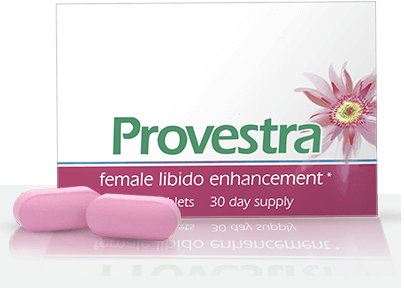
Provestra™ Women's Vitality Formula
- 100% herbal daily formula designed to support foundational female health and natural intimate wellness
- Provides botanical support for physical comfort, natural moisture, and emotional balance
- Doctor-approved capsule manufactured in a cGMP-compliant facility without synthetic hormones
Managing gallbladder pain after starting keto natural support involves slowing down the fat intake to allow bile production to match your digestion needs. You can integrate small amounts of bitter herbs and digestive enzymes to assist the process while keeping your hydration levels stable. Focus on gradual shifts rather than immediate, drastic changes to prevent overwhelming your digestive system.
Key Takeaways
- Bile production requires roughly 3 to 4 weeks to adjust to a significantly higher dietary fat load in the human body.
- Clinical data suggests that rapid weight loss increases the risk of biliary sludge formation by up to 25 percent in certain individuals.
- The National Institutes of Health reports that digestive bile salts are essential for emulsifying dietary fats for absorption.
Understanding Digestion During High-Fat Transitions
Your body is a masterpiece of efficiency, but it does not like sudden interruptions to its routine. When you shift your energy sources from glucose to lipids, you change the chemical environment of your entire gastrointestinal tract. This process requires time for the liver to produce adequate bile and for the gallbladder to release it effectively.
Many individuals make the mistake of adding large amounts of coconut oil or butter before their body has established a baseline. This creates a bottleneck where fat remains undigested, leading to irritation. Patience is the most underrated tool in any wellness routine.
You can support this process by emphasizing bitter greens that naturally encourage bile secretion. Incorporating dandelion or arugula into your meals provides a gentle signal to your digestive organs. Think of these foods as a signal that the body is ready for more complex work.
Practical Steps For Digestive Comfort
Consistency matters more than intensity during the first month of a new diet. Use these methods to maintain stability while your internal systems adapt to new nutrient demands.
- Start Low: Begin by increasing your fat intake by only 5 to 10 grams per meal rather than doubling it in a single day.
- Add Bitters: Consume small servings of radicchio or endive before your meals to stimulate natural digestive secretions.
- Hydrate Well: Drink water throughout the day because concentrated bile requires adequate fluid volume to move through the ducts properly.
Digestion is a mechanical process as much as a chemical one. When you provide the right environment, the body handles the workload with less friction. Never stop or change any medication without consulting the provider who recommended it.
Data Comparison Of Dietary Fats
| Fat Type | Digestion Speed | Suggested Starting Portion |
| MCT Oil | Very Fast | One Teaspoon Daily |
| Avocado Oil | Moderate | One Tablespoon Daily |
| Grass-Fed Butter | Slow | Half Teaspoon Daily |
Managing Gallbladder Pain After Starting Keto Natural Support
When you encounter physical distress, the best move is to pivot back to a baseline level of fat. Your digestive system is currently signaling that it cannot process the current load. Reduce your daily fat intake until the sensation subsides completely and you feel back to your normal baseline.
Research from the National Institute of Diabetes suggests that maintaining a steady, moderate weight is better for biliary health than erratic fluctuations. You should never force your body to adapt to a standard that causes you actual pain. Instead, prioritize smaller, more frequent meals that contain very light amounts of fat to keep your bile flow active without overtaxing the system.
Consider introducing digestive enzymes that include ox bile or plant-based lipases. These compounds can assist your internal organs while you build up your own natural capacity. This acts as a bridge during the first few weeks of your transition.
Nutrient Cofactors For Biliary Health
Fat digestion is a team effort involving several key nutrients. If you lack these in your daily routine, you might struggle to process your meals regardless of the fat quality. Magnesium acts as a muscle relaxant throughout the entire digestive tract.
Taurine is another essential component for healthy bile composition. It helps to keep the liquid flowing smoothly rather than thickening. You can find this in high-quality protein sources like grass-fed beef or seafood.
The U.S. National Library of Medicine highlights the role of specific amino acids in supporting liver and gallbladder function. Focus on whole foods rather than concentrated supplements if possible. A nutrient-dense diet provides the cofactors needed for every chemical reaction in your body.
Frequently Asked Questions
Why does my abdomen ache after eating high fat meals?
The ache typically occurs because your gallbladder is contracting to release bile that is insufficient for the amount of fat you have consumed. When the gallbladder cannot keep up with the digestive demand, the resulting pressure leads to localized tenderness in the upper quadrant.
This is a signal that your body requires a slower transition phase to build up its biliary capacity. Adjust your intake to a level that feels manageable and stable to prevent this discomfort from recurring.
Can herbal teas help with digestive transition?
Gentle herbs like ginger or peppermint have been used for generations to support the digestive process. They help by soothing the smooth muscles of the gut and encouraging the natural movement of contents through your system.
Drinking a warm cup of herbal tea before or after your meal can provide a calming effect. It is a simple, non-invasive way to support your body while you are navigating dietary changes.
How long does the body take to adapt to high fat consumption?
Most individuals notice a significant improvement in their digestion after three or four weeks of consistent, moderate consumption. This is the time frame required for the liver to optimize its production of bile acids.
Be patient with this timeline. If you force the process by eating too much fat too soon, you will likely delay your own progress. Stay steady and allow your biology the time it needs to catch up.
Are there specific foods I should avoid during the first few weeks?
During the initial phase, try to avoid processed fats, deep-fried items, and very heavy cream-based sauces. These items place a high, immediate demand on your system that can cause symptoms to flare up quickly.
Focus on whole food fats like avocado, olives, or nuts in controlled quantities. These sources are easier to manage than concentrated refined oils. Stick to simple preparations while you are getting started.
Is it necessary to take supplemental enzymes?
Supplemental enzymes can serve as a bridge to make the transition easier for your system. They provide the necessary support to break down fats while your internal organs are still finding their new rhythm.
Many individuals find that they only need these aids for a short period of time. Once your body achieves a stable baseline, you might be able to discontinue their use entirely. Listen to your own body to determine when you are ready to stop.
The Bottom Line
Managing gallbladder pain after starting keto natural support requires a measured, gentle approach to dietary change. By slowing your fat intake and supporting your body with bitters and hydration, you allow your system to adapt to its new fuel source at a sustainable pace.
Prioritize whole foods and listen to the feedback your body provides through physical sensations. If you feel discomfort, lower the intensity of your changes until you regain equilibrium. Consult a licensed healthcare provider before starting any new wellness routine.
The information provided here is for educational purposes only and is not intended for individuals with pre-existing biliary issues or medical conditions. Consult a licensed healthcare provider before starting any new wellness routine.
Get Your FREE Natural Health Guide!
Subscribe now and receive our exclusive ebook packed with natural health tips, practical wellness advice, and easy lifestyle changes, delivered straight to your inbox.