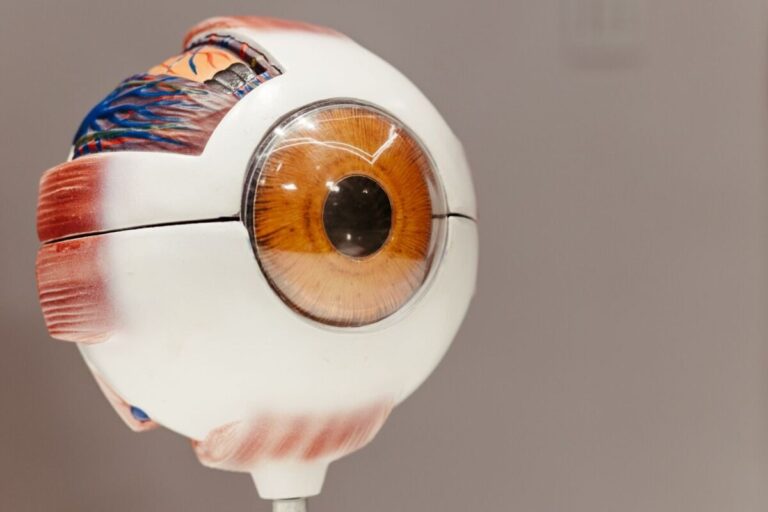
Practical Methods For How To Lose Inflammatory Puffiness Around The Eyelids
I wake up many mornings to find the delicate skin surrounding my eyes appearing swollen or fluid filled. This common sensation often follows a late night, high sodium intake, or seasonal shifts in my local environment. I find that recognizing these subtle physical cues provides a starting point for managing overall facial wellness.
Many individuals seek effective ways to manage this appearance through changes in their daily habits. Small adjustments in hydration, sleep posture, and topical cooling help stabilize the appearance of the eye area. Consistent routines often lead to notable shifts in how skin looks and feels throughout the day.
To address the challenge of how to lose inflammatory puffiness around the eyelids, start by elevating your head during sleep to prevent fluid accumulation. Apply chilled, caffeine-infused compresses to the area for ten minutes to constrict local blood vessels. Prioritize adequate water intake and limit salt consumption to balance systemic fluid retention.
Key Takeaways
- Fluid Retention Ranges: Proper hydration levels fluctuate based on individual body mass, typically requiring 2 to 3 liters of water daily to support lymphatic drainage.
- Temperature Effects: Research from the National Institutes of Health indicates that cold-exposure protocols can effectively reduce localized surface edema.
- Sleep Positioning: Elevating the head by 30 degrees during rest prevents gravity-induced pooling of fluids in the lower and upper orbital regions.
Five Simple Morning Rituals To Reduce Inflammatory Eyelid Puff
- Cold-Compress Application: Place clean, chilled stainless steel spoons or gel packs over the closed lids for 3 to 5 minutes to soothe the surrounding tissue.
- Manual Lymphatic Drainage: Use light, rhythmic tapping motions with your ring fingers starting from the inner corners and moving outward toward the temples to encourage natural fluid movement.
- Proper Hydration Intake: Consume 500 milliliters of room-temperature water immediately upon waking to kickstart metabolic processes and dilute any concentrated sodium levels from the previous evening.
- Head-Elevation During Rest: Use an extra pillow at night to maintain a slight incline, which discourages the gravitational buildup of interstitial fluids around the orbital bone.
- Consistent Sleep Scheduling: Maintain a strict bedtime to ensure 7 to 9 hours of rest, as chronic fatigue often exacerbates the appearance of swelling due to increased cortisol production.
Evaluating The Role Of Dietary Sodium And Mineral Balance
Excess salt intake draws water into the tissues, leading to noticeable swelling under the skin. High sodium levels disrupt the natural fluid balance maintained by the kidneys. Scientific literature from the Centers for Disease Control emphasizes that reducing processed food intake supports healthy blood pressure and fluid levels.
Potassium acts as the primary counter to sodium in the cellular environment. Including specific whole foods helps your body shed excess water weight naturally. Focus on these nutrient-dense options to support your system.
| Food Category | Nutrient Benefit | Recommended Serving |
|---|---|---|
| Leafy Greens | Provides magnesium | One cup daily |
| Fresh Avocado | Supports potassium | Half fruit daily |
| Cucumber Slices | Contains hydration | Two cups daily |
Understanding The Impact Of Environmental Triggers
Pollutants and seasonal allergens often cause the immune system to respond near the thin skin of the eye. This inflammatory response involves increased blood flow and fluid movement to the site. Identifying your specific triggers allows for more precise management of the surrounding tissue.
The National Library of Medicine explains how immune reactions contribute to surface swelling. Managing your home air quality with high-efficiency filters significantly reduces nightly exposure to airborne irritants. Keep windows closed during high-pollen days to protect sensitive skin.
Calculating Your Daily Lymphatic Support Needs
Success in managing facial swelling depends on consistent, quantifiable habits. Consider this baseline calculation to determine your daily fluid management needs based on body weight. Take your total weight in pounds and divide by two to get the minimum ounces of water required for base cellular function.
If you weigh 150 pounds, aim for 75 ounces of water throughout the day. Add 10 ounces for every 30 minutes of vigorous activity to replace lost moisture. This calculation ensures your system remains hydrated without overwhelming your kidneys with sudden intake.
Frequently Asked Questions
What role does caffeine play in surface swelling?
Caffeine acts as a mild diuretic and a vasoconstrictor when applied directly to the skin. It helps narrow the tiny blood vessels under the eyes, which limits the seepage of fluid into surrounding tissues.
When consumed internally, caffeine might have the opposite effect if it leads to dehydration. Balance any coffee intake with double the amount of plain water to ensure proper tissue hydration levels.
Are there specific fabrics that prevent morning swelling?
Using silk or high-thread-count cotton pillowcases helps reduce friction on the delicate skin during sleep. These materials are less likely to cause irritation that triggers localized inflammation throughout the night.
Synthetic fabrics often trap heat, which promotes moisture loss and irritation. Opt for breathable, natural fibers to keep your skin temperature stable and calm until you wake.
Does screen time contribute to the condition?
Extended periods of staring at digital devices often lead to a reduced blink rate and eye fatigue. This lack of movement prevents the natural clearing of fluids around the orbital cavity.
Taking breaks every twenty minutes allows your eye muscles to relax and encourages normal blinking patterns. This simple pause helps reset the circulation near the skin surface.
Why does alcohol worsen the condition?
Alcohol consumption triggers systemic dehydration, which prompts the body to hoard water in various tissues. This often manifests as facial swelling, particularly in the morning after intake.
The kidneys work overtime to process alcohol, which disrupts mineral electrolytes like magnesium and potassium. Replacing these lost minerals through whole foods helps restore normal fluid distribution quickly.
Can manual massage be harmful to thin skin?
Skin near the eyes is significantly thinner than on the rest of the face. Using excessive pressure or pulling motions can cause irritation or even lead to micro-tears in the dermal layer.
Always use the lightest touch possible, focusing on a tapping or sweeping motion. If you notice redness or discomfort, stop the process and allow the area time to recover before trying again.
The Bottom Line
Managing the appearance of the eye area involves a combination of consistent hydration, proper sleep hygiene, and gentle physical maintenance. By addressing both internal fluid balance and external environmental irritants, you support the body in its natural efforts to remain balanced.
Never stop or change any medication without consulting the provider who recommended it. To begin, establish a nighttime habit of elevating your head and follow up with morning cold-application sessions to manage how to lose inflammatory puffiness around the eyelids effectively.
This information is intended for educational purposes only and is not meant to replace professional medical advice. Certain individuals with underlying heart, kidney, or thyroid conditions may experience swelling that requires a clinical assessment. Consult a licensed healthcare provider before starting any new wellness routine.
Get Your FREE Natural Health Guide!
Subscribe now and receive our exclusive ebook packed with natural health tips, practical wellness advice, and easy lifestyle changes, delivered straight to your inbox.