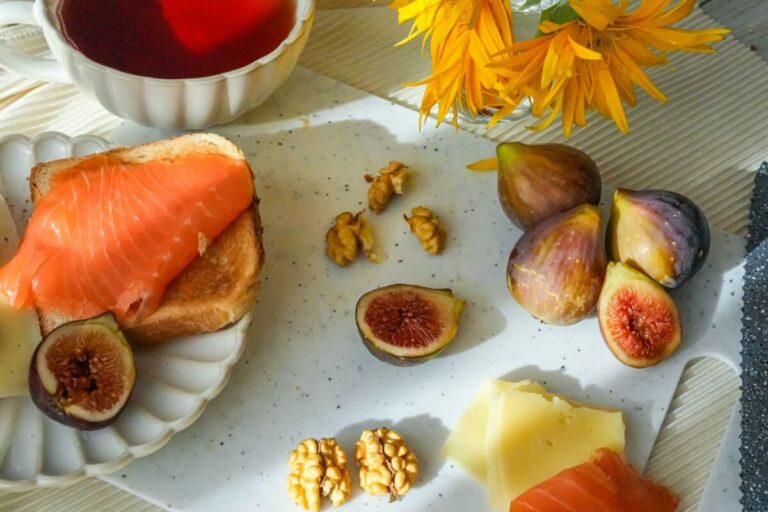
Why Cutting Seed Oils May Cool Silent Aging Inflammation
I feel the subtle shifts in my own energy levels when I rely on processed pantry staples for too long. My joints move with less grace and my skin loses that bright, clear quality that comes from whole food nourishment. Many people share this heavy, sluggish sensation as the years advance, often overlooking the hidden components of their dinner plates.
The prevalence of highly processed vegetable fats in modern supply chains presents a significant variable in how we age. These refined fats, often found in packaged snacks and salad dressings, frequently undergo intense heat during manufacturing. This creates a profile of fatty acids that our bodies struggle to process efficiently.
Avoiding seed oils for aging inflammation means prioritizing stable fats like olive oil or avocado oil to help lower systemic stress markers. By removing unstable oils from your daily routine, you limit the intake of pro-inflammatory linoleic acid and support better cellular function over time.
Key Takeaways
- Research from the National Institutes of Health suggests that high levels of dietary omega-6 fatty acids correlate with increased markers of body-wide irritation.
- Stable, monounsaturated fats provide a more reliable fuel source for human cells compared to the unstable polyunsaturated fats found in many industrial oils.
- A typical Western diet often contains a ratio of omega-6 to omega-3 fats exceeding 15 to 1, while a 4 to 1 ratio is considered more supportive for long-term health.
The Science of Dietary Fat Stability
Our bodies build cell walls using the fats we consume. If the foundation consists of unstable, heat-damaged molecules, the structural integrity of those cells weakens. This creates a state where the body remains in a constant cycle of low-level irritation.
Industrial extraction methods involve high temperatures and chemical solvents that damage delicate fatty acid chains. These damaged lipids act differently once inside our tissues. They do not provide the clean, efficient energy that high-quality fats offer.
The National Institute on Aging emphasizes that consistent lifestyle choices, including the quality of consumed fats, serve as a pillar for healthy longevity. Focus on fats that remain solid or semi-solid at room temperature. These sources usually contain fewer volatile compounds that degrade when heated.
Comparing Common Kitchen Fat Sources
| Fat Type | Source Material | Stability Rating |
| Extra Virgin Olive | Pressed Olives | High |
| Refined Corn Oil | Processed Seeds | Low |
| Grass Fed Butter | Dairy Cream | High |
Practical Methods for Better Fat Selection
Changing your pantry requires a focus on ingredient labels rather than marketing claims on the front of the box. Many products labeled as heart healthy still contain significant amounts of cheap refined oils. Read the back of every container before making a purchase.
You can identify problematic ingredients by scanning for specific names. If you see these on a label, consider choosing a different product:
- Soybean Oil: This is a primary source of high omega-6 content in processed goods.
- Canola Oil: Often extracted with harsh chemicals that leave behind potential residues.
- Cottonseed Oil: Frequently treated with heavy amounts of pesticides during the growing cycle.
Focus your kitchen efforts on whole food fats that provide genuine nourishment. Coconut, avocado, and olives offer stable structures that stand up to cooking temperatures without breaking down into harmful byproducts.
The Math of Proper Fat Intake
I calculated my own fat intake to see how much room I had for improvement. Most individuals ingest far more omega-6 fats than their ancestors ever did. A simple way to track this is to look at your total intake of packaged items versus home-cooked meals.
If you consume 2,000 calories a day, aim to keep your intake of processed seed oils below 5 percent of your total energy. Most salad dressings contain 10 to 15 grams of refined oil per serving. Two tablespoons of a standard dressing can easily exceed your daily threshold.
Prioritize whole food sources such as walnuts or chia seeds for your essential fat needs. These items come wrapped in fiber and natural antioxidants. This natural packaging helps protect the fats from damage before they reach your digestive system.
Long-Term Strategies for Cellular Health
Longevity is not about finding one single fix. It is about the cumulative effect of small, consistent choices. Removing refined oils allows your body to dedicate more energy to repair and maintenance rather than managing internal irritation.
The National Library of Medicine notes that nutrition choices directly impact the function of our metabolic systems as we grow older. Your cells rely on high-quality building blocks to replicate and stay resilient. By choosing better fats, you provide your body with the tools it needs for long-term health.
Frequently Asked Questions
How does heat damage affect the quality of cooking oils?
Heat triggers a process where fatty acids break apart and form new, less stable structures. These altered molecules may create a stress response within the lining of our blood vessels.
Using low heat or avoiding high temperature cooking entirely helps preserve the structural integrity of your food. I prefer to add high quality olive oil after the cooking process is finished.
Can I still use oils that are cold pressed?
Cold pressed oils retain more of their original antioxidant profile compared to those processed with heat. These antioxidants act as a shield for the oil while it sits on your shelf.
Check the color and smell of your oils to ensure they have not turned rancid. A fresh, clean scent indicates that the fat is still in a quality state for consumption.
Are all polyunsaturated fats bad for my health?
Not all of these fats fall into the same category. Your body actually requires specific polyunsaturated fats, such as omega-3s, for normal function.
The issue arises when we consume an excess of omega-6 fats compared to omega-3s. Focus on balancing your intake by eating wild-caught fish or flaxseeds rather than relying on processed seed oils.
What is the best way to transition my pantry?
You do not need to throw everything away in a single day. Simply finish the items you have and replace them with better options as you run out.
Make a list of three stable fats you enjoy using in your cooking. Keeping your kitchen stocked with these favorites makes the change much easier to maintain over time.
Do these changes impact my skin health?
Many people report a visible difference in their skin clarity after reducing their intake of industrial fats. Skin health is often a reflection of what happens inside your digestive system.
When you provide your body with high quality fats, you support the natural moisture barrier of your skin cells. This contributes to a vibrant appearance that starts from within.
The Bottom Line
Avoiding seed oils for aging inflammation represents a shift toward more stable, natural nutrition. By choosing fats that withstand heat and support cellular health, you lower the daily burden on your systems. Consistency is the primary factor that drives results for your long-term wellness.
Check the labels on your favorite pantry staples this week and replace one processed oil product with a stable alternative like avocado or olive oil. Never stop or change any medication without consulting the provider who recommended it. Consult a licensed healthcare provider before starting any new wellness routine.
Get Your FREE Natural Health Guide!
Subscribe now and receive our exclusive ebook packed with natural health tips, practical wellness advice, and easy lifestyle changes, delivered straight to your inbox.