
Strategies For Naturally Repairing The Corneal Epithelium Through Nutrition
I find myself blinking often during long hours at my desk as digital eye strain becomes a common reality for many of us. Our eyes rely on a delicate outer layer that requires constant replenishment and protection from the environment. Proper intake of specific nutrients may support this outer cellular shield and keep visual comfort high throughout the day.
Many of us forget that the surface of the eye is a living tissue capable of maintenance when provided with the correct raw materials. I spent months examining how dietary habits influence ocular surface health and found that specific food groups offer significant benefits. Focusing on colorful produce and healthy fats represents a grounded approach to maintaining surface integrity.
Naturally repairing the corneal epithelium through nutrition involves prioritizing vitamin A rich foods and essential fatty acids to support cellular turnover. These nutrients provide the building blocks necessary for healthy surface cells to regenerate and maintain a stable tear film. Consuming a diet dense in antioxidants helps protect this tissue from daily environmental stressors.
Key Takeaways
- Clinical studies suggest that vitamin A deficiency often leads to ocular surface keratinization and loss of goblet cell density.
- The average adult requires approximately 700 to 900 micrograms of retinol activity equivalents daily to support normal epithelial cell function.
- Research from the National Eye Institute confirms that balanced diets reduce the risk of common surface discomforts.
Essential Nutrients For Ocular Surface Integrity
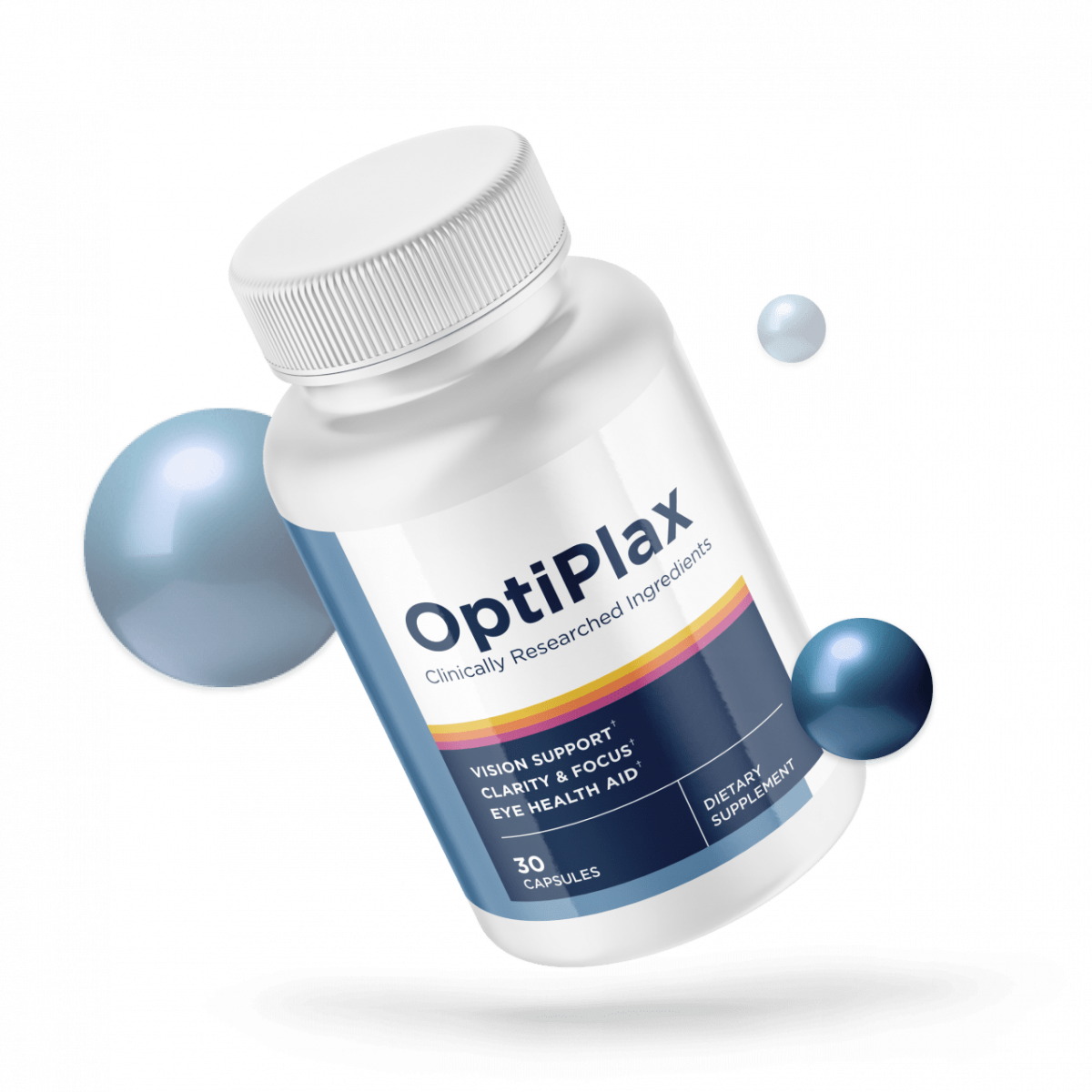
Optiplax™ Vision Support Formula
- Targeted nutritional blend designed to provide structural support against heavy screen strain
- Helps maintain your natural visual baseline and sustain daily comfort without temporary eye drops
- Manufactured in a cGMP-compliant, FDA-registered facility
The eyes require a steady supply of micronutrients to facilitate constant cell renewal. Vitamin A acts as a foundational element because it regulates the differentiation of surface cells. Without this component, the outer layer can become dry or irregular.
Beyond vitamins, healthy fats play a structural role in maintaining the moisture barrier. Omega 3 fatty acids contribute to the oily layer of our tears, preventing rapid evaporation. This stability protects the underlying cells from irritation and dryness.
Vitamin A is abundant in orange vegetables such as carrots, sweet potatoes, and winter squash. Omega 3s are found in cold water fish like salmon, sardines, and mackerel. Vitamin C from citrus fruits and bell peppers aids in the formation of collagen within the eye structure.
Nutrient Density For Corneal Health
| Nutrient Source | Primary Function | Daily Goal |
|---|---|---|
| Leafy Greens | Provides Lutein | Two Servings |
| Fatty Fish | Supports Lipids | Three Ounces |
| Citrus Fruits | Offers Antioxidants | One Serving |
Implementing A Targeted Dietary Approach
A structured approach helps ensure you receive enough variety to cover all nutritional bases. You can visualize your plate as a color spectrum to hit these goals. Aim for deep greens, bright oranges, and rich healthy fats in every single meal.
Morning Routine starts with a bowl of oatmeal topped with chia seeds and blueberries. Lunch Choices benefit from a large salad featuring dark leafy greens and olive oil dressing. Evening Meals prioritize lean protein paired with roasted sweet potatoes or carrots.
Data from the Centers for Disease Control shows that consistent fruit and vegetable intake supports long term visual wellness. You do not need complex protocols to achieve these results. Simple swaps in your weekly shopping list provide the consistency required for tissue health.
Calculating Your Daily Nutrient Ratio
I like to use a simple ratio to track my intake of protective compounds. You can perform this calculation once a week to ensure you remain on the right path. Focus on the density of your food rather than the sheer volume of calories.
Total daily vegetable servings should reach at least four cups per day for optimal cellular support. Divide this into two cups of dark leafy greens and two cups of pigmented vegetables like peppers or carrots. Add one palm sized portion of fatty fish or plant based omega sources per day to balance the fatty acid profile.
If you feel your levels are low, increase your intake of colorful produce by one serving each day for a week. Observe how your comfort levels change as your body receives more variety. Consistency serves as the primary driver for any biological change.
Cofactor Interactions And Absorption
Absorption represents a critical piece of the puzzle that many individuals overlook. Vitamin A requires dietary fat to enter the bloodstream efficiently. Pairing your beta carotene rich carrots with avocado or nuts increases the amount of nutrient your body utilizes.
Research published by the National Institutes of Health highlights how bio-availability affects tissue health. Preparing your meals with healthy oils ensures that fat soluble vitamins are not wasted. Digestion plays as big a role as consumption in this process.
Avoid heavy processing of your fruits and vegetables to keep the natural fibers intact. Fiber helps regulate your metabolic rate and keeps nutrient delivery stable. Enjoying your food in its natural state maximizes the impact of every bite.
Frequently Asked Questions
Can specific supplements replace a balanced diet?
Food provides a complex matrix of nutrients that work together in ways isolated pills cannot mimic. Whole foods offer fiber and secondary compounds that support gut health which directly impacts systemic inflammation.
Relying on a diverse diet ensures you get a wider range of trace minerals. Supplements can fill gaps but should not act as the primary foundation for your intake.
How quickly does diet impact ocular comfort?
Most individuals notice shifts in surface hydration within four to six weeks of consistent dietary changes. This timeframe allows the body to build up stores of necessary vitamins and fatty acids.
Patience remains essential during this period. Biological renewal is a gradual process rather than an overnight adjustment.
Do sugary foods affect the health of the eye surface?
High sugar intake can promote systemic inflammation which potentially hinders the repair process of delicate tissues. Rapid spikes in glucose may also impact the stability of the tear film over time.
Reducing added sugars helps stabilize your metabolic health. This shift allows the body to prioritize tissue maintenance instead of managing inflammatory responses.
Is hydration related to corneal surface health?
Water intake is essential for the production of tears which bathe the ocular surface. Dehydration can lead to thinner, less protective tear films that fail to provide comfort.
Aim for consistent water intake throughout the day rather than drinking large amounts at once. Monitoring the color of your urine serves as an easy way to track your status.
Should I avoid certain fats to help my eyes?
Highly processed vegetable oils are often high in omega 6 fatty acids which can be inflammatory when consumed in excess. Balancing these with plenty of omega 3 sources creates a healthier ratio for your system.
Prioritize monounsaturated fats like olive oil and avocado instead. These fats support membrane health and cellular function throughout the body.
The Bottom Line
Naturally repairing the corneal epithelium through nutrition is about feeding your body the specific building blocks it needs to maintain its own surface. Prioritizing vibrant produce and healthy fats creates a sustainable environment for eye health. Focus on consistency rather than perfection when adding these foods to your regular routine.
Begin by adding one serving of deep green vegetables to your daily lunch starting tomorrow. Watch how your comfort levels respond as you move toward a more nutrient dense lifestyle. Consult a licensed healthcare provider before starting any new wellness routine.
Get Your FREE Natural Health Guide!
Subscribe now and receive our exclusive ebook packed with natural health tips, practical wellness advice, and easy lifestyle changes, delivered straight to your inbox.