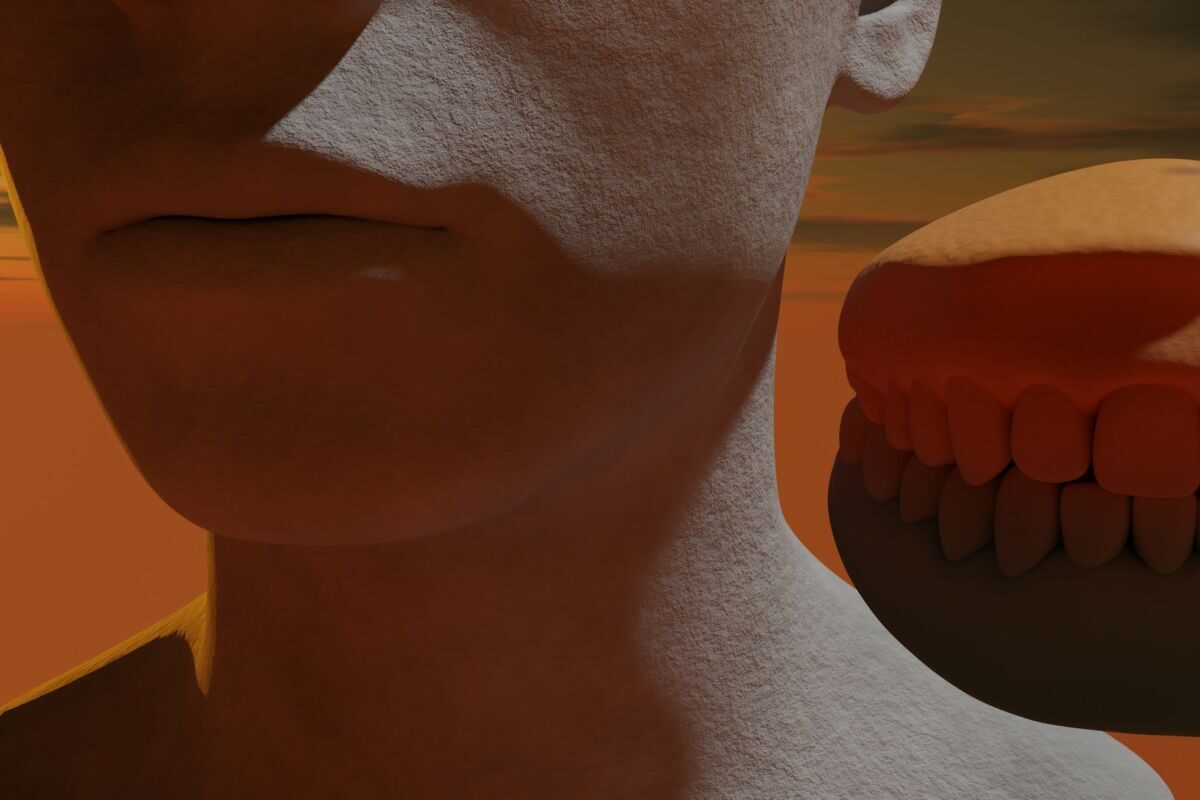

How Osteoporosis Affects Jaw Bone Loss in Teeth
I stare at the bathroom mirror and notice how the structure of a face changes as the decades pass. We often focus on the density of our hips or wrists when thinking about skeletal health. Yet the foundation of the oral cavity requires the same attention to maintain long-term stability.
The skeletal system serves as a bank for vital minerals that the body draws upon when internal levels dip. Bone density throughout the frame acts as a singular, connected network. If one region faces a deficit, the jaw often mirrors that lack of structural integrity.
How Osteoporosis Affects Jaw Bone Loss in Teeth involves the thinning of the alveolar bone which holds the dental roots in place. This reduction in density weakens the support system for each tooth, potentially leading to increased mobility or premature shifts in alignment. Maintaining systemic bone health provides the essential scaffolding needed to preserve oral architecture over time.
Key Takeaways
- Systemic Mineralization: Research from the National Institutes of Health suggests that low bone mass in the body often correlates with decreased density in the mandible.
- Density Indicators: Studies show that individuals with lower skeletal density scores exhibit a 3.5 times higher risk of experiencing significant periodontal attachment loss.
- Dental Stability: Adequate intake of calcium and vitamin D remains vital, as MedlinePlus health data emphasizes their role in supporting skeletal renewal cycles.
Understanding the Mandibular Connection
The jawbone acts as a unique site within the skeletal map. It experiences constant mechanical stress through daily chewing and speech. This force necessitates a high turnover rate for bone cells to keep the tissue strong.
When systemic bone mass declines, this specialized area suffers first. The bone surrounding the dental roots becomes porous as the body reclaims minerals. This process compromises the anchor points for our teeth.
The Centers for Disease Control notes that healthy habits contribute to sustained oral function. Prioritizing systemic mineral intake supports the entire frame including the jaw.
Comparing Mineral Density Across Skeletal Sites
Monitoring density requires looking at various regions of the body. Data points indicate that the jaw often acts as a precursor site for broader skeletal changes.
| Skeletal Region | Density Trend | Risk Factor |
| Femoral Neck | Primary Diagnostic | High |
| Mandibular Bone | Early Indicator | Moderate |
| Lumbar Spine | Standard Metric | High |
Pillars of Structural Integrity
Protecting the oral frame involves a proactive stance on general wellness. Nutrition and physical activity form the core of this approach.
- Calcium Rich Foods: Incorporating leafy greens and dairy options provides the raw materials needed for maintenance.
- Vitamin D Status: Exposure to sunlight and specific dietary choices ensure the body absorbs and utilizes those minerals effectively.
- Weight Bearing Movement: Walking or resistance training sends signals to the skeleton to maintain density through natural mechanical load.
- Regular Screenings: Professional dental exams identify shifts in tissue health that might indicate underlying systemic concerns.
- Smoking Cessation: Removing tobacco products improves blood flow to the gums and bone, supporting faster cellular repair.
- Limiting Soda: Reducing phosphoric acid intake prevents the leaching of minerals from the skeleton.
- Stress Management: Lowering cortisol levels helps prevent chronic inflammation that interferes with the bone remodeling process.
Demonstrating The Daily Mineral Calculation
Calculating your daily intake helps bridge the gap between theory and practice. Most experts suggest a target for those focused on skeletal support. Consider this simple breakdown for a standard day.
Start by totaling the milligrams from your three primary meals. Aim for a target of 1,200 milligrams for individuals over age 50. If your breakfast provides 300 milligrams and lunch adds 400 milligrams, you must source the remaining 500 milligrams through your evening meal or supplemental sources.
This numerical approach keeps your mineral intake consistent. Consistent levels allow the skeletal tissues to undergo healthy turnover without drawing from the jaw or other vital structures.
Frequently Asked Questions
Does periodontal disease always lead to significant structural changes?
Periodontal issues and general skeletal density declines often appear together but represent different biological processes. Inflammation from gum infection can accelerate the degradation of the surrounding tissue.
Addressing gum health creates a stable environment for the bone. When you manage inflammation, you protect the delicate interface where the roots meet the jaw.
Can strength training exercises assist with local skeletal density?
Weight bearing activities stimulate the bones to increase their density through mechanical tension. While the jaw does not receive direct load from lifting weights, the systemic response benefits the entire frame.
Consistent movement cycles help regulate the hormones that govern bone health throughout the body. A stronger skeleton supports a healthier environment for all teeth.
Are there specific warning signs in the mouth to watch for?
Changes in how dental appliances fit or feeling a slight movement in the teeth can indicate shifts in the supporting bone. Receding gums also represent a common visual cue of underlying density changes.
Early identification of these signs allows for timely conversations with health providers. Tracking these subtle differences helps in managing long term oral status.
How does hormonal balance affect skeletal retention?
Hormones serve as the primary chemical messengers that signal the body to build or break down bone. When these levels shift, the cycle of renewal often slows down.
Natural lifestyle support helps maintain a stable internal environment. Focusing on nutrition and activity keeps the body optimized for these transitions.
Is it possible to reverse the process of bone reduction?
Maintaining a healthy rate of bone turnover is the objective rather than a simple reversal. Providing the body with the right resources allows it to repair and sustain itself.
Consistency serves as the best strategy for long term health. Focus on habits that support the body in its natural maintenance goals.
The Bottom Line
The connection between systemic skeletal health and oral stability remains undeniable. Individuals should view the jaw as a vital part of the total bone network rather than a separate entity. Proactive nutrition and regular movement form the foundation of a resilient skeletal system.
Focusing on consistent mineral intake and systemic wellness serves to support the jaw long term. Never stop or change any medication without consulting the provider who recommended it. Consult a licensed healthcare provider before starting any new wellness routine.
This advice is intended for generally healthy individuals seeking educational information. Those with diagnosed chronic conditions or specific metabolic concerns should seek personalized guidance from their primary care provider. Consult a licensed healthcare provider before starting any new wellness routine.
Get Your FREE Natural Health Guide!
Subscribe now and receive our exclusive ebook packed with natural health tips, practical wellness advice, and easy lifestyle changes, delivered straight to your inbox.