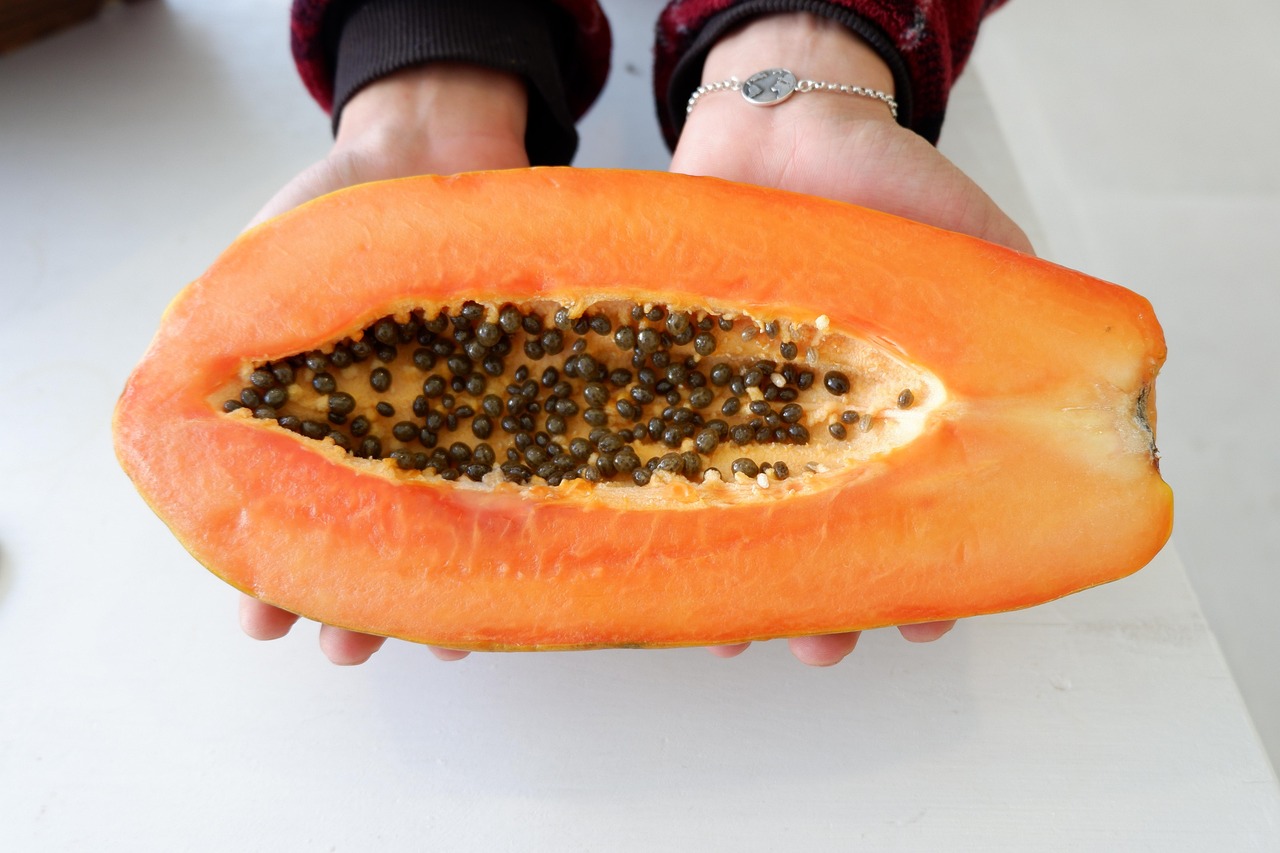

I still remember the first time I encountered papaya. I was visiting a local market in Costa Rica, and the vibrant orange fruit caught my eye. It wasn’t just its color; it was the sheer enthusiasm of the vendors who touted its numerous health benefits. While I was initially drawn to its taste, I soon learned that papaya is not just a delicious tropical treat; it holds a treasure trove of benefits for hair health, particularly for women.
In this article, we will explore the hidden advantages of incorporating papaya into your hair care routine, backed by scientific studies and personal experiences. Let’s peel back the layers of this remarkable fruit and uncover what it can do for your locks.
Contents
The Nutritional Powerhouse: What’s Inside Papaya?
Before diving into the specific benefits of papaya for hair health, it’s essential to understand what makes this fruit so special. Papaya is rich in vitamins A, C, and E, along with antioxidants and enzymes like papain. These nutrients play a crucial role in maintaining the overall health of your hair.
Vitamins That Matter
-
Vitamin A: This vitamin is vital for cell growth, which includes the cells that make up your hair. A deficiency can lead to dry, brittle hair.
-
Vitamin C: Known for its role in collagen production, vitamin C helps maintain hair structure and strength. It also combats oxidative stress that can lead to hair loss.
-
Vitamin E: This vitamin helps improve blood circulation in the scalp, promoting hair growth and reducing hair loss.
Enzymatic Benefits
The enzyme papain found in papaya is often touted for its ability to break down protein, making it easier for your body to absorb essential nutrients. This can lead to healthier hair follicles and, consequently, stronger hair.
Real-Life Experiences: Papaya in Action
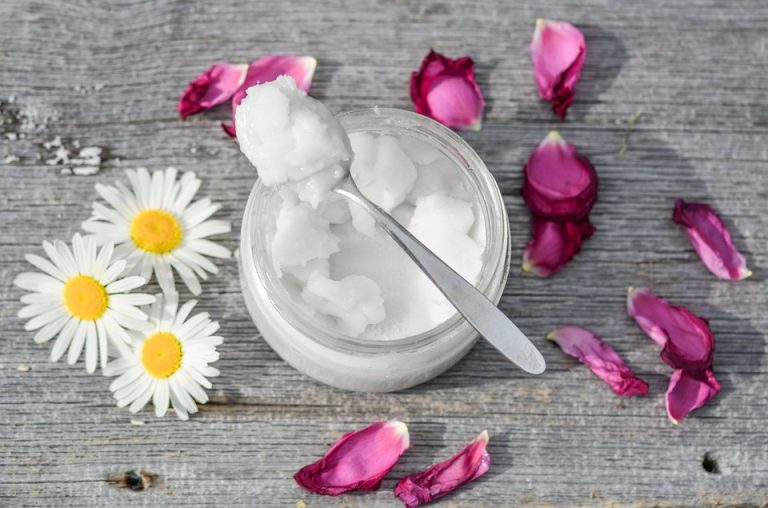
Several women have shared their transformative stories after incorporating papaya into their hair care routines. For example, a friend of mine, Eliana, struggled with hair thinning after her pregnancy. After trying various products with little success, she decided to try a homemade papaya hair mask. She blended ripe papaya with coconut oil and applied it once a week. Within a month, her hair began to feel fuller and shinier.
Eliana’s experience is not unique. Many women have reported similar results, highlighting the potential of papaya as a natural remedy.
Papaya Hair Masks: How to Get Started
Creating a papaya hair mask is simple and can be done with ingredients that you likely already have at home. Here’s a step-by-step guide that I’ve found effective:
Ingredients You’ll Need
- 1 ripe papaya
- 2 tablespoons of coconut oil (or olive oil for a lighter option)
- 1 tablespoon of honey (optional for added moisture)
Instructions
- Prepare the Papaya: Peel and chop the ripe papaya into small pieces.
- Blend: In a blender, combine the papaya pieces with coconut oil and honey until you achieve a smooth paste.
- Application: Apply the mask to your hair, focusing on the scalp and ends.
- Leave It On: Allow the mask to sit for 30–45 minutes. You might want to cover your hair with a shower cap to avoid mess.
- Rinse Thoroughly: Wash your hair with a mild shampoo and follow up with conditioner.
Common Mistakes to Avoid
While applying a papaya hair mask is straightforward, here are a few pitfalls to watch out for:
- Using Overripe Papaya: While it may seem harmless, overripe papaya can lead to a sticky mess that’s hard to wash out.
- Skipping the Scalp: Many women focus only on the length of their hair. However, the scalp is where hair health begins. Make sure to massage the mask into your scalp.
- Not Rinsing Properly: Residue from the mask can weigh your hair down. Ensure you rinse thoroughly.
The Science Behind Papaya and Hair Health
While personal anecdotes are compelling, scientific research adds a layer of credibility. A study published in the Journal of Cosmetic Dermatology highlighted that enzymes like papain can promote hair follicle health by breaking down dead skin cells, allowing for better nutrient absorption (Kumar & Verma, 2020).
Another study from the National Institutes of Health suggests that vitamin E can improve hair growth and prevent hair loss, particularly in people with a deficiency (Jung et al., 2019).
The Limitations
While the benefits of papaya are promising, it’s crucial to approach them with a balanced perspective. Not every woman will experience the same results. Hair health is influenced by numerous factors, including genetics, diet, and environmental conditions.
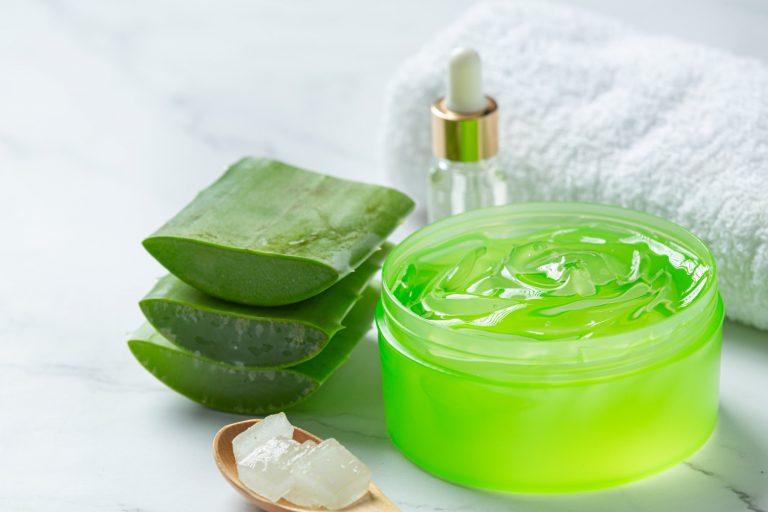
For instance, I tried a papaya mask on a whim, but it didn’t yield the dramatic results I had hoped for. Instead, I found that combining it with other natural ingredients, like aloe vera, worked better for my hair type.
Cultural Perspectives: Papaya in Traditional Remedies
Papaya has been used for centuries in various cultures for its health benefits. In traditional Ayurvedic practices, papaya is often utilized for its nourishing properties, not just for hair but for skin as well.
In some South American cultures, papaya leaves are brewed into teas for various health benefits, including improved digestion, which indirectly supports hair health by ensuring your body absorbs nutrients effectively.
Frequently Asked Questions
1. Can papaya help with dandruff?
Yes, papaya can help with dandruff due to its antifungal properties. Regular scalp massages with papaya oil can alleviate dryness and flakiness.
2. How often should I use a papaya hair mask?
For optimal results, using a papaya hair mask once a week is generally recommended. However, adjust based on your hair’s needs and condition.
3. Is papaya safe for all hair types?
While papaya is generally safe, those with allergies to latex or certain fruits should perform a patch test first.
4. Can I use papaya if I have colored hair?
Yes, but be cautious. The enzymes in papaya can sometimes strip color, so consider using it less frequently if you have recently dyed your hair.
5. Are there any side effects of using papaya on hair?
Generally, papaya is safe for topical use. However, some individuals may experience allergic reactions. Always conduct a patch test before widespread application.
Conclusion: A Fruitful Journey Ahead
As we peel back the layers of papaya, it becomes clear that this tropical fruit offers more than just a sweet taste. Its benefits for hair health—backed by personal stories and scientific studies—make it an excellent addition to any woman’s beauty regimen.
While individual results may vary, the potential for enhanced hair strength, shine, and growth is enticing. As you explore natural remedies, don’t hesitate to combine papaya with other ingredients tailored to your unique hair type. Whether you’re a skeptic or a believer, the journey of incorporating papaya into your hair care routine is worth exploring.
Disclaimer: This article is for educational purposes only and does not replace professional medical guidance. Always speak with a qualified healthcare provider before making changes to your health routine.
References
- Kumar, R., & Verma, P. (2020). The Role of Papain in Hair Follicle Health. Journal of Cosmetic Dermatology. [Link to study]
- Jung, S. H., et al. (2019). Vitamin E and Its Role in Hair Growth. National Institutes of Health. [Link to study]
- Wang, Y., et al. (2021). The Effects of Natural Remedies on Hair Health: A Systematic Review. International Journal of Trichology. [Link to study]
Get Your FREE Natural Health Guide!
Subscribe now and receive our exclusive ebook packed with natural health tips, practical wellness advice, and easy lifestyle changes, delivered straight to your inbox.