


Exploring Effective Natural Remedies for Everyday Wellness
Many people look for ways to support their overall health and daily comfort using nature’s offerings. The realm of natural remedies provides a fascinating approach to well-being, drawing on centuries of traditional wisdom and emerging scientific understanding. We can discover how botanical compounds and simple lifestyle practices contribute to feeling better.
This guide explores ten natural strategies that are often discussed for their potential benefits. Understanding their historical use and how they interact with the body offers a practical perspective for integrating them into a balanced routine. These approaches are not substitutes for professional medical care, but they can complement a healthy lifestyle.
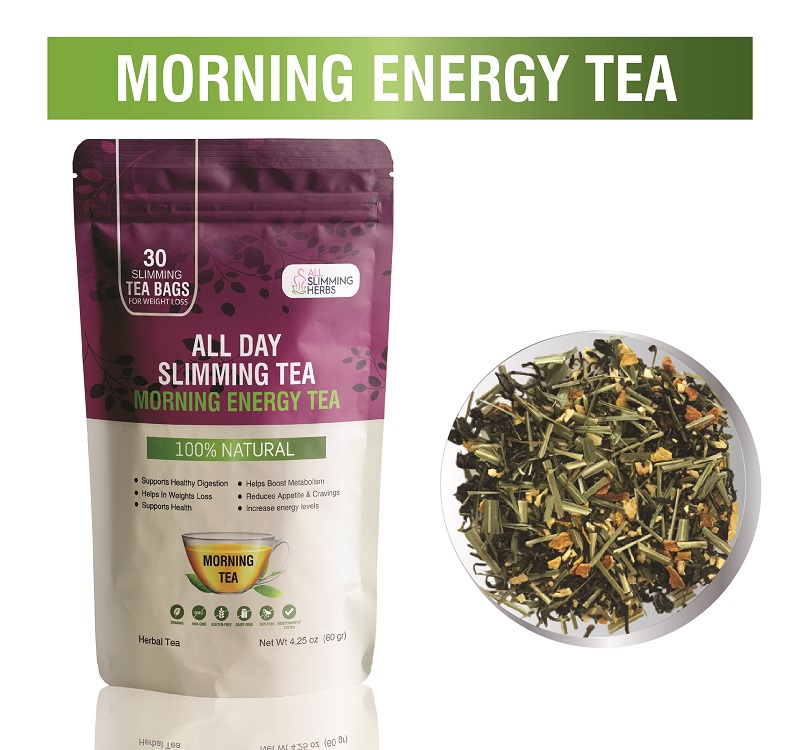
All Day Slimming Tea™ Herbal Routine
- Designed to gently support your body's natural metabolic rhythm throughout the day
- Helps maintain consistent daily vitality and steady physical balance
- Manufactured in a cGMP-compliant facility without relying on heavy coffee or synthetic stimulants
People with underlying conditions often work with a qualified healthcare professional for personalized guidance. This information is educational and not a substitute for medical advice.
1. Turmeric (Curcuma longa)
Turmeric, a vibrant yellow spice, holds a revered place in both culinary traditions and wellness practices, particularly within Ayurvedic systems. Its active compounds, known as curcuminoids, are the focus of much interest. These compounds contribute to the spice’s distinctive color and are widely explored for various applications.
Historically, turmeric was used in traditional medicine for its comforting qualities and its role in supporting general vitality. Its deep connection to ancient health philosophies speaks to a long-standing appreciation for its natural attributes. This spice is a staple in many kitchens, adding flavor and a touch of golden color to dishes.
The primary curcuminoid, curcumin, is often standardized in botanical preparations to ensure consistent levels. Exploring turmeric often involves considering its form, as different preparations may influence its absorption within the body. It’s a botanical with a rich past and an ongoing presence in wellness discussions.
- Active Compounds: Curcuminoids, primarily curcumin.
- Best Used For: Supporting a sense of comfort and overall vitality.
- Mechanism of Action: Often discussed for its interaction with various cellular pathways, contributing to generalized wellness.
Integrating Turmeric into Your Routine
A common approach involves incorporating turmeric into daily meals or exploring standardized extracts. Some individuals prefer it in liquid forms or mixed into smoothies.
2. Ginger (Zingiber officinale)
Ginger is a common kitchen spice and a botanical widely appreciated for its comforting properties. Its pungent flavor and aroma come from a group of compounds called gingerols, which are structurally similar to capsaicin. These compounds give ginger its characteristic warmth and zest.
For thousands of years, ginger has been a staple in many traditional medicine systems, including Chinese and Ayurvedic practices. It was often employed to support digestive ease and to help soothe general discomfort. Its widespread use across diverse cultures highlights its long-standing reputation as a versatile natural offering.
The rhizome, or underground stem, is the most commonly used part of the ginger plant. Whether fresh, dried, or powdered, ginger remains a popular choice for teas, cooking, and various wellness applications. Exploring ginger can be a simple way to introduce its unique qualities into your daily life.
- Active Compounds: Gingerols, shogaols, zingerone.
- Best Used For: Supporting digestive comfort and generalized soothing.
- Mechanism of Action: May interact with certain receptors in the digestive system, contributing to a sense of ease.
Enjoying Ginger’s Benefits
Many people grate fresh ginger into hot water for a comforting tea or add it to stir-fries. Extracts and powders are also available for convenient incorporation into daily routines.
3. Chamomile (Matricaria recutita)
Chamomile is a delicate, daisy-like flower celebrated globally for its gentle, calming attributes. Its primary active compound, apigenin, is a flavonoid that contributes to many of the herb’s well-known properties. This compound is a key reason why chamomile is so frequently chosen for relaxation.
Across various cultures, chamomile tea has long been a go-to beverage for unwinding after a long day. It’s often recommended for those seeking a sense of peacefulness and digestive ease. The plant’s historical use as a mild botanical for comfort dates back to ancient Egyptian, Roman, and Greek practices.
The flowers of the chamomile plant are typically dried and used to make infusions, essential oils, and extracts. It’s a botanical that embodies softness and tranquility, making it a popular choice for evening rituals. Many people find its mild, slightly sweet taste appealing.
- Active Compounds: Apigenin, bisabolol, chamazulene.
- Best Used For: Promoting a sense of calm and supporting digestive relaxation.
- Mechanism of Action: Apigenin may interact with certain receptors in the brain, contributing to feelings of serenity.
Preparing Chamomile Infusions
To make a soothing chamomile tea, steep dried chamomile flowers or a tea bag in hot water for about 5-10 minutes. This creates a gentle beverage often enjoyed before bedtime.
4. Peppermint (Mentha × piperita)
Peppermint is a highly aromatic herb, a natural hybrid of spearmint and watermint, recognized for its refreshing and invigorating qualities. The primary active compound, menthol, is responsible for the herb’s characteristic cooling sensation and strong, clean aroma. This compound is widely utilized.
Historically, peppermint was valued in ancient Greek, Roman, and Egyptian civilizations for its use in food, as a fragrance, and for its potential to support digestive comfort. Its widespread adoption into various traditional wellness practices underscores its enduring appeal. Many cultures have integrated peppermint into their daily lives.
Whether used as fresh leaves, dried for tea, or distilled into an essential oil, peppermint remains a versatile botanical. It’s often explored for its ability to promote a sense of digestive ease and to offer a refreshing sensation. The crisp, clean profile of peppermint is instantly recognizable.
- Active Compounds: Menthol, menthone, limonene.
- Best Used For: Supporting digestive comfort and promoting a sense of freshness.
- Mechanism of Action: Menthol may interact with smooth muscle tissues in the digestive tract, contributing to feelings of relaxation.
Using Peppermint for Comfort
A simple way to enjoy peppermint is by brewing a fresh or dried leaf tea. For aromatic purposes, diffusing peppermint essential oil in a well-ventilated space can create an invigorating atmosphere.
5. Echinacea (Echinacea purpurea)
Echinacea, a striking purple coneflower native to North America, has a long history of use among indigenous peoples for general wellness. Its diverse array of active compounds includes alkylamides, caffeic acid derivatives, and polysaccharides, each contributing to its botanical profile. These compounds are a key area of scientific exploration.
Native American tribes traditionally used Echinacea for a variety of purposes, often relating to general vitality and maintaining well-being. This historical context highlights its significance as a valued natural resource within traditional practices. The plant’s resilience and widespread presence made it an accessible resource.
Today, Echinacea extracts are popular, commonly found in tinctures, capsules, and teas. Many people explore Echinacea as a way to support their body’s general wellness mechanisms, especially during seasonal changes. Its reputation as a supportive herb continues to grow.
- Active Compounds: Alkylamides, chicoric acid, echinacoside.
- Best Used For: Supporting general wellness and vitality.
- Mechanism of Action: Alkylamides are discussed for their potential interaction with certain biological pathways that contribute to overall well-being.
Echinacea Preparations
Echinacea can be consumed as a tea made from dried root or aerial parts. Tinctures and capsules containing standardized extracts are also widely available, providing a convenient option for daily inclusion.
6. Lavender (Lavandula angustifolia)
Lavender, with its iconic purple blossoms and soothing fragrance, is a botanical celebrated worldwide for its calming properties. The primary active compounds, linalool and linalyl acetate, are terpenes responsible for the herb’s distinctive aroma. These compounds are extensively studied for their influence on the senses.
The use of lavender dates back thousands of years to ancient Egyptians, Romans, and Greeks, who utilized it for bathing, perfumery, and general well-being. Its name is thought to derive from the Latin word “lavare,” meaning “to wash,” reflecting its historical association with cleanliness and purity. Its enduring popularity speaks to its versatile nature.
Lavender essential oil is one of the most widely used essential oils, valued for its aromatic qualities and its potential to promote a sense of peacefulness. Whether diffused, applied topically in diluted forms, or incorporated into herbal teas, lavender offers a gentle approach to fostering tranquility. It’s a comforting scent.
- Active Compounds: Linalool, linalyl acetate, camphor.
- Best Used For: Promoting a sense of calm and supporting peacefulness.
- Mechanism of Action: Linalool is known to interact with olfactory receptors and may influence nervous system activity, contributing to relaxation.
Aromatic Lavender Use
For a calming atmosphere, diffuse pure lavender essential oil in a well-ventilated room. A few drops added to a warm bath can also create a soothing experience.
7. Aloe Vera (Aloe barbadensis miller)
Aloe vera is a succulent plant renowned for the clear, gelatinous pulp found within its leaves. This pulp is a complex mixture of water, polysaccharides, amino acids, vitamins, and minerals, making it a truly multifaceted botanical. Its rich composition contributes to its wide array of uses.
Ancient civilizations in Egypt, Greece, India, and China valued aloe vera for its topical application to skin and for supporting digestive regularity. The plant’s historical significance as a “plant of immortality” in some cultures highlights the deep respect it commanded. Its presence in ancient texts confirms its long-standing therapeutic reputation.
The inner leaf gel is the most commonly utilized part, often found in skin care products, juices, and dietary supplements. Many people explore aloe vera for its soothing qualities for the skin and its potential to contribute to digestive wellness. It is a versatile plant with both external and internal applications.
- Active Compounds: Polysaccharides (e.g., acemannan), anthraquinones (in outer leaf, often removed), vitamins, minerals.
- Best Used For: Soothing the skin and supporting digestive regularity.
- Mechanism of Action: Polysaccharides may contribute to hydration and a protective layer on surfaces, while anthraquinones can support bowel movements.
Topical and Internal Aloe Vera Usage
For skin soothing, apply pure aloe vera gel directly to the affected area. When consuming aloe vera juice, it is often recommended to choose products made from the inner leaf to minimize anthraquinone content for digestive comfort.
8. Apple Cider Vinegar (ACV)
Apple cider vinegar, a fermented product of apples, has garnered considerable attention for its versatile uses, both in culinary applications and as a general wellness support. The fermentation process transforms sugars into acetic acid, which is the primary active compound. This process gives ACV its characteristic tang.
Historically, ACV has been used for centuries, dating back to ancient Greece, where Hippocrates reportedly used it for various purposes. Its long-standing presence in folk remedies across different cultures speaks to a sustained belief in its potential benefits. Many have explored ACV as a simple, accessible addition to their routine.
Unfiltered ACV, often containing the “mother” a cloudy web of acetic acid bacteria and cellulose, is particularly popular. Many people integrate ACV into their daily lives for supporting digestive wellness and general vitality. Its distinct flavor makes it a unique addition to beverages or dressings.
- Active Compounds: Acetic acid, malic acid, antioxidants (in the “mother”).
- Best Used For: Supporting digestive wellness and general vitality.
- Mechanism of Action: Acetic acid may influence digestive processes and metabolism, contributing to overall balance.
Incorporating ACV Daily
Some people dilute 1-2 tablespoons of apple cider vinegar in a glass of water and drink it before meals. It can also be used as a flavorful component in salad dressings or marinades.
9. Magnesium
Magnesium is an essential mineral involved in over 300 enzymatic reactions throughout the body. It plays a crucial role in various physiological processes, from muscle function to nerve signaling and energy production. Its widespread involvement makes it a foundational element for health.
Historically, the importance of minerals like magnesium has been recognized for supporting overall physical function. While not a “botanical” in the traditional sense, magnesium is a natural element widely available in whole foods. Its significance in cellular health has been understood for a considerable time.
Common dietary sources of magnesium include leafy green vegetables, nuts, seeds, legumes, and whole grains. Many individuals explore magnesium supplementation to support muscle comfort and nervous system balance. Understanding its various forms, such as magnesium citrate or magnesium glycinate, can help tailor its use.
- Key Element: Magnesium (various forms like citrate, glycinate, oxide).
- Best Used For: Supporting muscle comfort, nervous system balance, and overall energy production.
- Mechanism of Action: Magnesium is a cofactor for numerous enzymes, contributing to muscle relaxation and nerve transmission regulation.
Magnesium Integration Strategies
One approach is to ensure a diet rich in magnesium-containing foods. For those exploring supplementation, various forms are available, and discussing options with a healthcare professional can be helpful.
10. Omega-3 Fatty Acids (EPA/DHA)
Omega-3 fatty acids, specifically eicosapentaenoic acid (EPA) and docosahexaenoic acid (DHA), are polyunsaturated fats considered essential because the body cannot produce them on its own. These fats are critical components of cell membranes throughout the body, making them fundamental to cellular structure and function.
The importance of dietary fats has been recognized for centuries, with traditional diets often including sources rich in these compounds. Coastal communities, for example, historically consumed diets rich in fish, which are natural sources of EPA and DHA. This historical context suggests a long-standing human interaction with omega-3 rich foods.
Primary dietary sources include fatty fish like salmon, mackerel, and sardines, as well as certain algal oils for vegetarian options. Many individuals explore omega-3 supplements to support general well-being and maintain a balanced diet. The National Institutes of Health provides extensive information on these vital compounds.
| Compound | Primary Source | General Wellness Focus |
|---|---|---|
| Curcumin | Turmeric root | Comfort, vitality |
| Gingerols | Ginger rhizome | Digestive ease, soothing |
| Apigenin | Chamomile flowers | Calm, relaxation |
| Menthol | Peppermint leaves | Digestive comfort, freshness |
| Alkylamides | Echinacea plant | General vitality |
| Linalool | Lavender flowers | Peacefulness, tranquility |
| Polysaccharides | Aloe vera gel | Skin soothing, regularity |
| Acetic Acid | Apple Cider Vinegar | Digestive wellness |
| Magnesium | Leafy greens, nuts | Muscle comfort, balance |
| EPA/DHA | Fatty fish, algae | Overall well-being |
- Key Compounds: Eicosapentaenoic acid (EPA), Docosahexaenoic acid (DHA).
- Best Used For: Supporting general well-being and a balanced diet.
- Mechanism of Action: Essential components of cell membranes, these fatty acids contribute to various cellular functions and overall bodily balance.
Omega-3 Dietary Integration
Including fatty fish in your diet a few times a week is an excellent way to obtain EPA and DHA. For those with dietary restrictions, algal oil supplements provide a plant-based alternative.
Frequently Asked Questions
Can natural remedies replace prescription medications?
Natural remedies are generally explored for supporting overall wellness and comfort, not as direct replacements for prescription medications. People with underlying conditions often work with a qualified healthcare professional for personalized guidance regarding all aspects of their health. This information is educational and not a substitute for medical advice.
How long does it take for natural remedies to show effects?
The time frame for experiencing effects from natural remedies can vary considerably among individuals and depends on the specific remedy and its intended use. Some people report experiencing comfort relatively quickly, while others integrate these approaches over longer periods for general wellness support. Consistency is often a key factor when exploring natural strategies.
Are there any side effects from using natural remedies?
Even natural substances can interact with the body in various ways. It is always wise to be aware of how your body responds to any new addition to your routine. For example, some individuals may experience digestive upset with certain botanicals. Starting with smaller amounts and observing your body’s response is a sensible approach. If you have any concerns, discussing them with a healthcare professional is always advisable.
The Bottom Line
Natural remedies offer a rich tradition of supporting wellness and comfort, providing diverse avenues for a balanced lifestyle. From the ancient wisdom surrounding turmeric and ginger to the calming embrace of chamomile and lavender, these botanicals and essential nutrients present compelling options for personal exploration. Understanding their historical context and general applications can empower informed choices for daily well-being.
Consider which natural approach aligns best with your personal wellness goals and preferences.
Get Your FREE Natural Health Guide!
Subscribe now and receive our exclusive ebook packed with natural health tips, practical wellness advice, and easy lifestyle changes, delivered straight to your inbox.





