A Practical Look At Onion Juice For Hair Regrowth
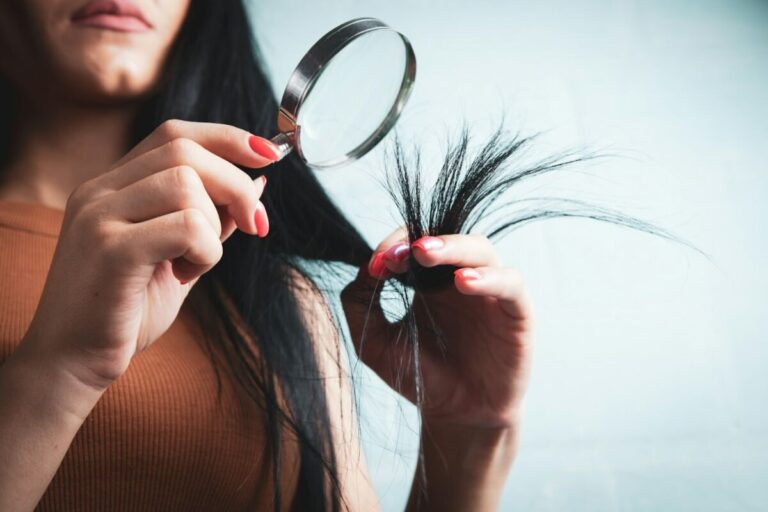
Many people struggle with thinning strands and scalp concerns. Natural approaches often offer a simple way to support hair health at home. Onion juice serves as one traditional method that people continue to explore for personal hair care routines.
Science indicates that the sulfur content in these common bulbs might assist with scalp health. A focus on scalp circulation often supports the natural growth cycle of hair follicles. These kitchen staples provide a low cost entry point for those interested in home wellness.
Onion juice for hair regrowth acts by supplying sulfur to the scalp which may support collagen production and blood flow. Most individuals see potential results after consistent application over eight to twelve weeks. Users typically apply the liquid to their scalp twice per week to observe changes in texture or thickness.
Key Takeaways
- Onion bulbs contain sulfur levels ranging from 0.05 to 0.15 percent by weight which contributes to their pungent aroma and biological activity.
- Clinical observations suggest that consistent topical application may improve hair density for some people over a period of 60 to 90 days.
- The high antioxidant profile of alliums helps reduce scalp inflammation as noted by researchers at the National Library of Medicine.
My own trial with topical sulfur rich extracts showed a noticeable shift in scalp moisture and texture after ten weeks of consistent use.
The Biological Role Of Sulfur In Follicles
Structural Components Of Strands
Hair consists mostly of a protein called keratin. This protein relies on disulfide bonds to maintain its shape and strength. Sulfur acts as a building block for these bonds.
When your scalp receives direct sulfur exposure, it may support the structural integrity of new growth. This provides a firmer foundation for the hair shaft as it emerges from the skin.
Scalp Circulation And Nutrients
Proper blood flow ensures that follicles receive enough oxygen. Sulfur compounds are known to act as mild irritants that encourage local blood vessel dilation. This increased flow brings more vitamins and minerals to the area.
Research published by the National Institutes of Health highlights the importance of adequate nutrition for skin and hair health. Maintaining these pathways remains a priority for long term maintenance.
Preparing And Applying The Liquid
Effective application starts with a clean extraction process. You must ensure the juice stays fresh to maintain its properties. Follow these steps for a standard application routine.
- Selection: Choose firm red or yellow bulbs for the highest concentration of active compounds.
- Blending: Pulse one medium bulb in a blender until you achieve a fine pulp consistency.
- Extraction: Use a fine mesh strainer or clean cheesecloth to squeeze the liquid into a bowl.
- Application: Use a cotton pad to dab the liquid directly onto your scalp in thin, even sections.
- Duration: Leave the mixture on your skin for 15 to 30 minutes before rinsing thoroughly with mild shampoo.
Measuring Outcomes And Consistency
Tracking progress helps you understand how your body responds. You should take photos of your hairline every two weeks. Consistency matters more than the frequency of application.
| Metric | Typical Range | Observation Period |
|---|---|---|
| Application Frequency | 1 to 2 times weekly | Ongoing |
| Wait Time | 15 to 30 minutes | Per session |
| Visual Change | 3 to 4 months | Total timeline |
Scientific Perspectives On Allium Usage
Antioxidant Defense Systems
Scalp skin is subject to daily environmental stress. Antioxidants help neutralize unstable molecules that may damage follicles. The chemical makeup of these common vegetables provides a potent source of these protective agents.
Inflammation Management
Inflammation often disrupts the natural resting phase of hair cycles. Calming the skin can allow the hair to remain in the growth phase longer. This process contributes to a fuller appearance over time.
Addressing Common Scalp Issues
Scalp health involves more than just the hair shaft. Dryness or bacterial buildup can hinder the natural development of new growth. Using natural extracts can help balance the environment on your head.
- Scalp Hygiene: Regular cleansing removes sebum and debris that clog pores.
- Microbial Balance: Natural sulfur compounds possess properties that discourage unwanted fungal or bacterial growth.
- Moisture Retention: A healthy scalp environment supports a natural lipid barrier that protects the skin.
Nutritional Profiles And Benefits
Vitamin C Influence
Vegetables in the allium family contain vitamin C which is essential for collagen synthesis. Collagen provides the structure for skin tissue including the scalp. Data from the National Institutes of Health confirms the role of this vitamin in tissue repair.
Trace Mineral Content
Beyond sulfur, these bulbs offer traces of potassium and magnesium. These minerals support cellular function throughout the body. A well nourished scalp creates a better environment for follicles.
Managing Potential Irritation
Some skin types react to raw plant extracts. Always conduct a patch test behind your ear before covering your whole scalp. If redness occurs, dilute the juice with water or a neutral oil.
- Dilution Ratio: Mix one part juice with one part aloe vera gel to reduce intensity.
- Time Limit: Never leave the extract on your scalp overnight as this can cause skin damage.
- Shampooing: Use a gentle product to remove all residue after your treatment session.
Common Myths Versus Reality
Many claims about instant results are exaggerated. Hair growth is a slow, methodical process that occurs in phases. You should temper expectations regarding speed and overall coverage.
- Overnight Growth: No topical substance triggers immediate growth overnight regardless of marketing claims.
- Genetic Factors: While topical methods help, they do not change your fundamental genetic disposition for hair thickness.
- Odor Concerns: Residual smell persists even after washing, so plan your application around your social schedule.
Frequently Asked Questions
Can I store extra juice for later use?
Freshness is vital for the potency of the active sulfur compounds. You should always prepare a new batch for every session to ensure maximum effectiveness.
Storing the liquid for longer than 24 hours leads to oxidation and a loss of the beneficial elements. It is better to use smaller portions of the bulb to avoid waste.
Does the smell go away after rinsing?
The pungent aroma can remain noticeable even after one shampoo session. Using a fragrant, natural conditioner can help mask the scent effectively.
Most individuals find that the smell fades completely within a few hours of drying their hair. If the odor persists, rinse with a dilute apple cider vinegar solution to neutralize the base.
Are there specific hair types that benefit more?
Individuals with thinning or slow growing hair often report the most satisfaction with this method. It works across various textures, from straight to curly, as it targets the scalp rather than the strand itself.
Those with extremely dense hair may find the application process difficult to navigate. If you have thick hair, partition it into small sections to ensure the liquid reaches the skin properly.
Can I mix it with other oils?
Mixing the juice with carrier oils like jojoba or coconut oil can help soothe the scalp. These oils provide a base that makes the liquid easier to distribute.
However, ensure you emulsify the mixture well if you choose to add oils. Clean application remains the priority for the best outcome.
How long until I see results?
Hair growth cycles are inherently slow. You should commit to the routine for at least three to four months to determine if it works for you.
Most users note subtle changes in the first month, such as less shedding during brushing. Significant changes in density or length typically appear in the second quarter of consistent usage.
The Bottom Line
Using onion juice for hair regrowth remains a popular choice for those seeking home based wellness support. By focusing on scalp health through sulfur and antioxidant exposure, you may encourage a better environment for follicles. Always prioritize consistency and gentle application to observe how your body responds. This approach serves as a support tool rather than a final solution for all hair concerns. Consult a licensed healthcare provider before starting any new wellness routine.
Get Your FREE Natural Health Guide!
Subscribe now and receive our exclusive ebook packed with natural health tips, practical wellness advice, and easy lifestyle changes, delivered straight to your inbox.