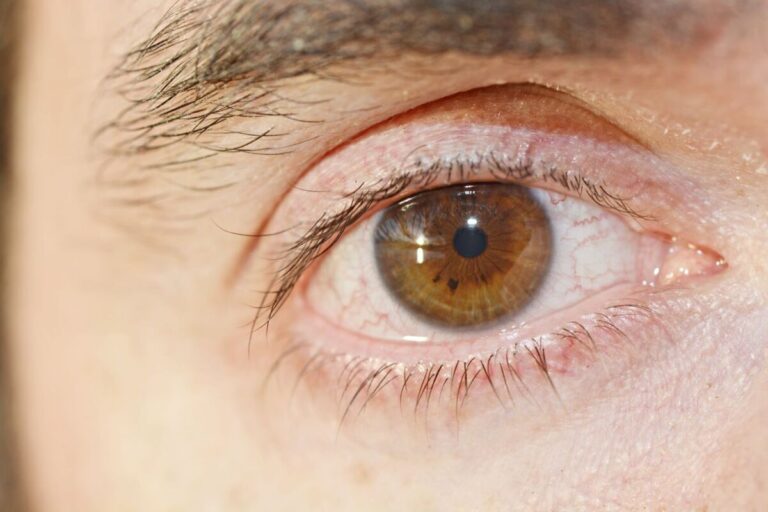

Why Your Stiff Neck May Actually Be Eye Strain
Many of us spend hours squinting at glowing screens while our posture slowly drifts toward a forward head position. This repetitive physical habit often leads to localized pain that seems rooted in the spine but originates much higher up.
The delicate muscles surrounding the cervical vertebrae work overtime to stabilize the head against gravity. When visual focus requires excessive micro-adjustments, these same muscles often lock up in sympathetic tension.
Provestra™ Women's Vitality Formula
- 100% herbal daily formula designed to support foundational female health and natural intimate wellness
- Provides botanical support for physical comfort, natural moisture, and emotional balance
- Doctor-approved capsule manufactured in a cGMP-compliant facility without synthetic hormones
Why Your Stiff Neck May Actually Be Eye Strain involves the subconscious tendency to tilt or thrust the chin forward to compensate for blurry vision. This misalignment places heavy mechanical load on the trapezius and levator scapulae muscles throughout the workday.
Key Takeaways
- Visual Fatigue: Studies indicate that digital eye strain affects up to 70 percent of office-based workers.
- Postural Link: Prolonged downward gaze increases the weight of the head on the cervical spine by up to 60 pounds.
- Muscle Load: Research published by the National Library of Medicine confirms that ocular discomfort triggers protective spasms in neck stabilizers.
Signs Of Visual-Induced Cervical Tension
Body signals often provide early warnings before chronic discomfort sets in. Identifying the source of your neck tightness requires observing when your symptoms intensify.
You might notice a dull ache appearing specifically after long sessions of computer work. This discomfort often dissipates during weekends or extended breaks from digital devices.
| Trigger Source | Physical Indicator | Likely Result |
|---|---|---|
| Screen Distance | Squinting | Neck Compression |
| Poor Contrast | Forward Head Tilt | Trapezius Spasm |
| Blue Light | Heavy Eyelids | Cervical Stiffness |
Correcting The Forward Head Habit
To reduce pressure on your upper spine, you must modify how you interact with your visual environment. Small adjustments to your desk setup create long term relief.
- Monitor Height: Position the top third of your display at eye level to keep the neck in a neutral, vertical alignment.
- Text Scaling: Increase your default font size by 20 percent to eliminate the need for involuntary leaning toward the screen.
- The 20-20-20 Rule: Every 20 minutes, look at an object 20 feet away for 20 seconds to reset your ciliary eye muscles.
The Connection Between Chronic Neck Tightness And Eye Strain
The eyes and the neck share a tight neurological feedback loop called the vestibulo-ocular reflex. When your eyes struggle to maintain focus on a pixelated screen, the brain instructs the neck muscles to become rigid to provide a stable platform for the head.
This biological reaction creates a catch-22 situation for many individuals. The more the eyes strain, the tighter the neck becomes, which further limits blood flow and increases the perception of pain.
According to data from the American Optometric Association, persistent focus on near-point tasks forces the eyes to exert immense effort. Relieving this pressure is a primary step in improving overall comfort.
Optimizing Your Digital Environment
Lighting plays a major role in how hard your visual system must work to decode information. Harsh overhead lights create glare that forces you to crane your neck to find a clearer angle.
Ambient light should be softer and focused away from your workspace. Natural light from the side is often better than direct light from behind or in front of the screen.
Data provided by the National Institute of Environmental Health Sciences emphasizes that managing light exposure contributes to healthier visual cycles. Consistency in lighting prevents the rapid eye fatigue that eventually travels down to your shoulders.
Frequently Asked Questions
Can wearing glasses change how my neck feels during the day?
Corrective lenses tailored for specific distances can significantly reduce the need for you to shift your posture. If your current prescription is outdated, your eyes compensate by forcing your head into awkward angles to find the focal point.
Consulting with a professional about computer-specific glasses often resolves the subconscious drive to move the neck. These lenses reduce the magnification effort required for close-up tasks, effectively calming the neck muscles throughout your shift.
Does screen brightness affect the tension in my upper back?
High screen brightness against a dim room forces the pupils to fluctuate rapidly and creates high contrast that exhausts visual receptors. This strain triggers a stress response in the body, which manifests as tension in the trapezius and rhomboid muscles.
Adjusting your monitor brightness to match the ambient light of your room stabilizes the eyes. This simple change stops the compensatory neck movements that cause deep-seated discomfort.
Are there specific desk stretches that help with this condition?
Moving the cervical spine through its full range of motion helps break the cycle of rigidity. Gentle chin tucks, where you pull the chin straight back without tilting the head, are particularly effective at realigning the vertebrae.
Perform these movements slowly and without forcing any position that causes sharp sensations. Consistent, small movements are far more effective at encouraging muscle relaxation than intense, long-held stretches.
How long does it take for eye strain related neck pain to subside?
Once you implement proper ergonomic changes and visual rest breaks, many individuals report a noticeable reduction in tightness within 48 to 72 hours. The muscles require time to exit the state of chronic bracing once the visual trigger is removed.
Patience is required while your body relearns a relaxed posture. Continued application of visual hygiene is the only way to prevent the tension from returning after a long day.
Is it possible that my pillow contributes to this issue?
Pillow height impacts how your neck recovers during the night, especially if your neck muscles were already braced throughout the day. A pillow that is too high or too flat keeps the cervical spine in a compromised position during sleep.
Finding a pillow that supports the natural curve of the neck keeps the muscles in a neutral state. This allows the tension accumulated during the day to release rather than carrying it into the following morning.
The Bottom Line
Why Your Stiff Neck May Actually Be Eye Strain is a common reality for those tethered to digital interfaces. Your neck is frequently responding to the struggle of your visual system to maintain clear focus.
Prioritize your eye health by adjusting your screen distance, font size, and lighting conditions. Observe how these changes affect your physical comfort over the next week.
Never stop or change any medication without consulting the provider who recommended it. This content is for educational purposes only and should not replace professional medical advice. Consult a licensed healthcare provider before starting any new wellness routine.
Get Your FREE Natural Health Guide!
Subscribe now and receive our exclusive ebook packed with natural health tips, practical wellness advice, and easy lifestyle changes, delivered straight to your inbox.