
Gentle Ways Of Naturally Stabilizing The Skin During Rapid Weight Loss
Losing significant weight often brings a sense of accomplishment alongside unexpected shifts in physical appearance. Many individuals notice the surface of their body struggles to adapt to these shifts in total volume. Dealing with loose tissue can feel disheartening when the goal was purely health focused.
Addressing the elasticity of your outer layer requires patience and a focus on supportive habits. Rapid reduction in mass removes the underlying foundation that kept your outer layers taut. Targeted nutritional support and movement patterns offer gentle ways of naturally stabilizing the skin during rapid weight loss.
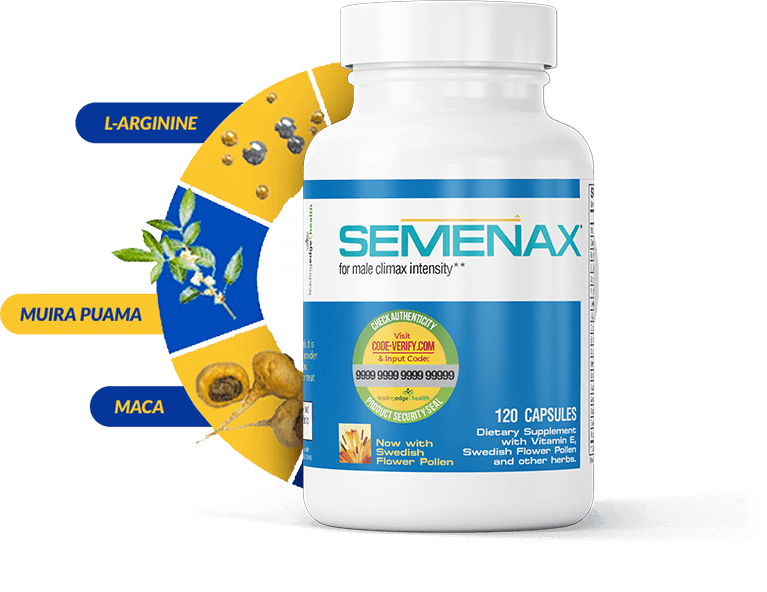
Semenax™ Volume & Vitality Formula
- Designed to work seamlessly with male physiology to provide specialized nutritional support
- Encourages consistent performance, physical endurance, and natural bodily balance
- Manufactured in a cGMP-compliant, FDA-registered facility without synthetic interventions
You can encourage skin firmness by prioritizing adequate hydration, high protein intake, and consistent resistance training to build muscle mass. These strategies help support collagen structure and fill out the areas where fat volume has decreased. Maintaining a moderate pace of weight reduction also gives your body more time to adapt to changes in size.
- Collagen production typically requires specific amino acids found in protein-rich foods, which should make up roughly 20 to 30 percent of daily calories.
- Research from the National Institutes of Health suggests that consistent resistance training increases muscle mass, which fills out loose tissue gaps.
- Hydration status impacts skin turgor, with optimal fluid intake being essential for maintaining structural moisture levels across the entire body.
Essential Nutritional Strategies For Supporting Tissue Integrity
Building a diet that favors structural health involves more than just counting energy. Amino acids like proline and glycine serve as building blocks for the proteins that hold your structure together. Consuming quality sources like bone broth, lean poultry, or plant-based legumes helps provide these necessary materials.
Vitamin C is another critical factor in this process. According to the National Institutes of Health, this nutrient plays a primary role in the stabilization of collagen fibers. Adding citrus fruits, bell peppers, and leafy greens to your meals provides the cofactors needed for your body to maintain these proteins.
| Nutrient | Function | Food Source |
|---|---|---|
| Protein | Builds muscle | Eggs |
| Vitamin C | Supports collagen | Citrus |
| Zinc | Aids repair | Pumpkin seeds |
Movement Patterns And Naturally Stabilizing The Skin During Rapid Weight Loss
Strength training changes your body composition by filling the space once occupied by fat cells with lean muscle. This creates a more defined look that helps the outer layer appear tighter. You do not need to lift heavy weights to see results.
Consistency outweighs intensity in this phase. Focus on compound movements that work multiple muscle groups simultaneously for maximum impact. Research published by the National Institutes of Health highlights the connection between consistent activity and maintained body composition during significant mass reduction. Aim for three sessions per week to keep muscle fibers engaged and healthy.
Understanding The Role Of Gradual Progress
Weight reduction is not a race, though it is tempting to aim for the finish line as fast as possible. Your body needs time to adjust to your new measurements. Rapid shifts often prevent your body from catching up to the change in mass.
A slower, steady pace allows for better adaptation of connective tissues. If you observe that your tissue is not keeping up, try adjusting your rate of reduction. This simple shift provides the window your body needs to prioritize structural maintenance alongside fat loss.
Frequently Asked Questions
Can specific creams improve skin laxity during weight loss?
Topical products often focus on surface hydration rather than changing the deeper structure of your tissue. While keeping your outer layer moisturized can improve the appearance of the surface, it does not replace the need for internal support from nutrition and movement.
You should view external products as a support tool rather than a primary solution. Quality moisturizers keep the surface supple, which may reduce the appearance of minor lines, but deep structural changes rely on the internal health of your connective proteins.
Does dehydration worsen the appearance of loose skin?
Fluid balance directly influences how plump and resilient your tissue looks from day to day. When you are not properly hydrated, your cells lose turgor and may appear more saggy than usual.
Prioritizing consistent water intake ensures that your body maintains internal pressure levels. This makes a visible difference in how your skin sits over your muscles, especially during periods of active weight reduction.
Is surgery the only way to manage loose tissue?
Many individuals find that structural changes are manageable through consistent lifestyle habits and time. The severity of tissue changes depends on genetics, age, and the total amount of mass lost, so results vary widely between people.
Surgery remains a choice for cases involving significant functional discomfort or persistent psychological distress. However, many find that building muscle mass and focusing on nutritional foundations provides significant, natural improvements to their overall appearance.
How long does the body need to adjust after weight loss?
The time frame for adaptation is highly individual and depends on your unique biology. Some people notice changes within a few months, while others find their body continues to shift for a year or longer.
Consistency with resistance training and steady nutrition is the most effective way to support this process. Giving your body a predictable routine helps it prioritize the maintenance and refinement of your outer layers.
Are there any supplements that help with this process?
There is no single magic pill for tissue firmness, though some compounds support general health. Focus on basics like adequate protein, a diverse range of vitamins, and minerals that support connective tissue.
Always assess your diet before adding isolated supplements. Getting nutrients from whole foods typically provides a better balance of cofactors that work together to maintain your health during your transition.
The Bottom Line
Stabilizing your skin during a period of significant weight change is a process that begins with what you put in your body and how you move it. Prioritize steady progress over rapid results to give your tissues the time they need to adapt to your new shape.
Focus on protein intake, consistent resistance training, and proper hydration to support your structure from the inside out. Monitor your progress through steady habits and remain patient as your body adapts to these positive changes. Consult a licensed healthcare provider before starting any new wellness routine.
Get Your FREE Natural Health Guide!
Subscribe now and receive our exclusive ebook packed with natural health tips, practical wellness advice, and easy lifestyle changes, delivered straight to your inbox.