
Silk Flossing: A Gentle Approach to Healthier Gums
Many individuals notice minor bleeding or tenderness when brushing their teeth, often signaling that the delicate tissue between teeth needs extra attention. While traditional nylon options exist, natural fibers provide a unique texture that some find less abrasive on sensitive areas. Choosing the right material for oral care involves balancing structural integrity with the comfort of your gum tissue.
Silk floss serves as a biodegradable alternative for those seeking to minimize synthetic waste while maintaining high standards for dental hygiene. This material is naturally smooth, allowing it to glide through tight spaces without the resistance often felt with thicker plastic-based strings. When integrated into a daily routine, it supports a clean environment for tooth surfaces.
Silk flossing: a gentle approach to healthier gums involves using biodegradable silk strands to dislodge debris and disrupt bacterial accumulation in interdental spaces. This method effectively cleans tight contacts while offering a soft, non-irritating texture for sensitive gum tissue. Consistent use helps maintain oral hygiene without the harsh friction associated with standard synthetic floss.
Key Takeaways
- Mechanical Removal: Research confirms that physical displacement of plaque is the primary way to reduce gingival inflammation, as noted by the National Institutes of Health.
- Bacterial Control: Effective interdental cleaning reduces the risk of periodontal issues by interrupting the formation of mature biofilm colonies.
- Tissue Integrity: Proper technique ensures that the delicate epithelial attachment remains undisturbed while clearing debris from the sulcus.
Comparative Analysis Of Dental Materials
| Material Type | Biodegradability | Texture Profile |
| Synthetic Nylon | Low | High Friction |
| Natural Silk | High | Soft Smooth |
| PTFE Coated | None | Ultra Slippery |
Practical Application Techniques For Daily Use
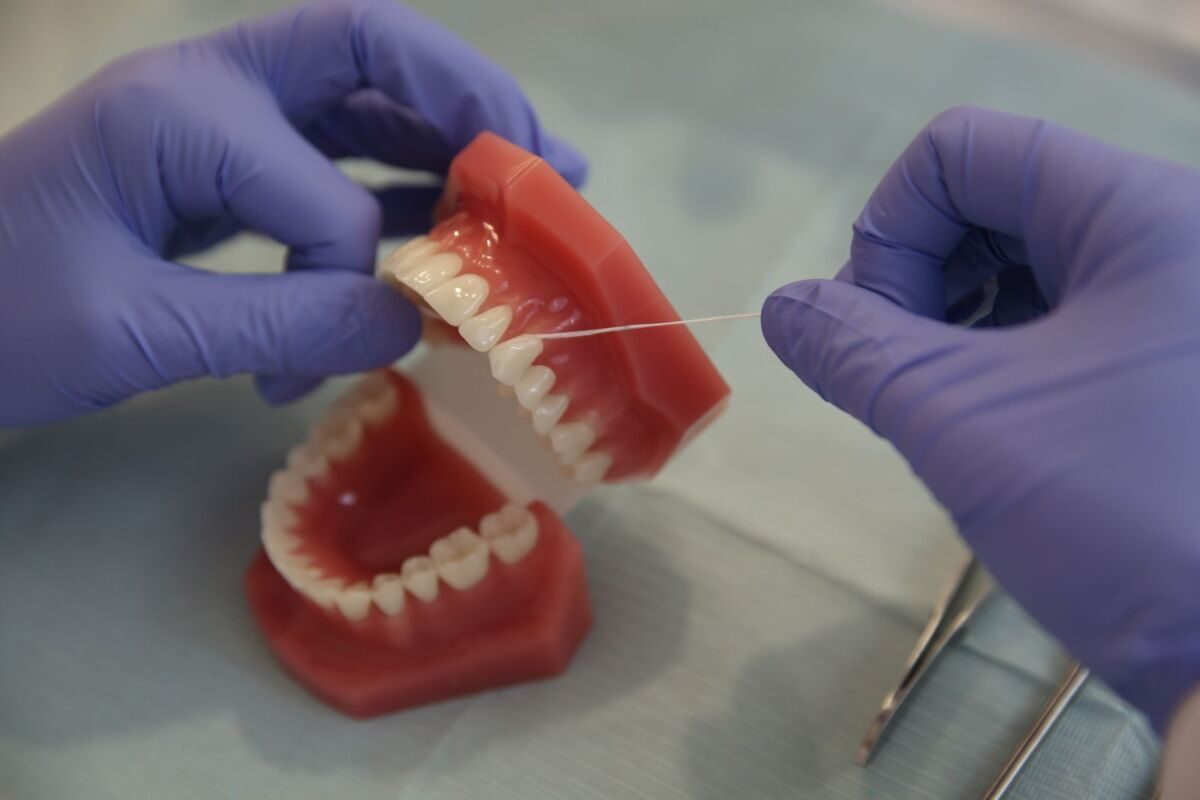
Proper technique defines the effectiveness of any oral care tool. Holding the string taut between your fingers allows for precise control as you navigate the curves of each tooth. Avoid snapping the material into the tissue to prevent accidental micro-tears.
Gently Insert the silk into the interdental space using a slow sawing motion. This prevents the floss from catching on sharp edges or restorative work.
Curve The Silk into a C-shape against the side of the tooth. This motion wraps the fiber around the surface to reach areas where a toothbrush cannot enter.
Slide Up And Down to clear debris from the gum line. Ensure the material reaches just below the tissue edge without applying excessive pressure.
Understanding The Role Of Interdental Hygiene
The space between teeth remains a primary site for food particles to collect. When these particles linger, they become a source of irritation for surrounding tissue. Studies published by the National Library of Medicine highlight the necessity of mechanical cleaning for long-term oral health. Removing these substances early helps maintain a balanced oral environment.
Silk provides a distinct advantage by being soft enough for those with frequent discomfort during cleaning sessions. Many users report that the natural wax coatings found on some silk products make them easier to grip. This physical property ensures the string stays secure during use, even when damp.
Supporting Long Term Gum Wellness
Consistency provides the foundation for any successful oral care habit. Using silk daily encourages the removal of plaque before it calcifies into harder substances. According to data from the Centers for Disease Control, regular cleaning habits are linked to lower rates of inflammatory responses in oral tissues. This preventative focus remains the standard for maintaining healthy gum structure.
Consider these habits to improve the quality of your routine:
- Frequency: Dedicate two minutes to the entire mouth at least once per day to ensure thorough coverage.
- Lighting: Use a mirror with adequate lighting to visualize the contact points between teeth for better accuracy.
- Replacement: Use a fresh segment of silk for every tooth to avoid transferring debris from one area to another.
Frequently Asked Questions
Is silk floss effective for tight contacts?
Silk is naturally fine and thin, making it well-suited for tight contacts where thicker materials might struggle to pass. Its smooth surface allows for easier insertion, provided the user employs a gentle sawing motion rather than forceful pressure.
Because the material is soft, it does not stretch or fray as easily as some lower-quality synthetics. This durability allows it to navigate crowded teeth effectively while remaining gentle on the surrounding gingival tissue.
Does the material affect environmental health?
Silk is a protein-based fiber that is fully compostable, making it a preferred choice for individuals focused on waste reduction. Unlike traditional plastic flosses that persist in landfills, natural silk decomposes without releasing synthetic chemicals into the soil.
This material choice supports an eco-conscious lifestyle while still delivering necessary mechanical cleaning action. It provides a bridge between sustainability and high-performance oral hygiene tools.
Can silk floss handle heavy cleaning requirements?
While silk is soft, its structural integrity is sufficient for standard daily maintenance of healthy gums. It excels at removing soft plaque deposits and food debris that accumulate throughout the day.
Individuals with significant amounts of hardened buildup or extensive restorative work may require different tools as advised by their dental professional. Silk functions best as a preventative measure for daily upkeep rather than a removal tool for mature, calcified deposits.
How should individuals store their silk floss?
Store your floss in a cool and dry environment to maintain the integrity of the natural fibers. Humidity can weaken the silk and cause it to lose its tensile strength over time.
A glass or metal dispenser protects the supply from contamination and moisture. Keep the container away from direct sunlight or heavy steam to ensure the product remains in optimal condition for every use.
Will silk floss irritate my sensitive gums?
Silk is often recommended for individuals who find synthetic nylon abrasive or uncomfortable. The natural fibers have a softer texture that minimizes friction against delicate tissue during the cleaning process.
If irritation persists, it might indicate that the pressure applied during the technique is too high. Focusing on a light, controlled movement often mitigates sensitivity and allows for a comfortable cleaning experience.
The Bottom Line
Silk flossing: a gentle approach to healthier gums provides a sustainable and effective way to manage oral hygiene. The material’s natural texture offers a soft alternative for those seeking comfort without sacrificing mechanical plaque removal.
Incorporate this material into your evening routine to prioritize gum health and environmental consciousness. Purchase a high-quality, wax-coated silk string to ensure easy movement between tight tooth contacts tonight.
This information is for educational purposes only. Never stop or change any medication without consulting the provider who recommended it. Consult a licensed healthcare provider before starting any new wellness routine.
Get Your FREE Natural Health Guide!
Subscribe now and receive our exclusive ebook packed with natural health tips, practical wellness advice, and easy lifestyle changes, delivered straight to your inbox.