

Understanding Why Yo-yo Dieting Causes Permanent Skin Elasticity Loss
Many individuals notice a loss of firmness in their face and body after repeating cycles of weight loss and gain. This common pattern often leaves the skin struggling to snap back to its previous shape after the final pound is shed. The underlying issue relates to how connective tissues respond to repeated cycles of stretching and shrinking.
The structural integrity of the skin relies on a delicate matrix of protein fibers that lose their resilience over time. When the body undergoes frequent weight changes, this meshwork experiences significant mechanical stress that hinders its ability to recover. This process creates a visible difference compared to those who maintain a stable weight.
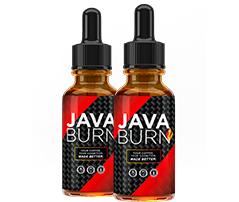
Java Burn™ Coffee Enhancer
- Tasteless nutrient blend designed to seamlessly stir into your daily coffee
- Formulated to support a steady, healthy metabolism without lifestyle disruptions
- Manufactured in a cGMP-compliant, FDA-registered facility
Why yo-yo dieting causes permanent skin elasticity loss stems from the repeated degradation of collagen and elastin fibers caused by frequent fat cell fluctuations. As the skin stretches to accommodate fat storage and then loses its foundation during rapid weight loss, the connective matrix becomes permanently disorganized. This structural damage prevents the skin from returning to its original taut state.
Key Takeaways
- Collagen degradation: Frequent weight cycling can reduce the density of dermal collagen by as much as 15 to 20 percent over several years.
- Structural fatigue: Skin fibers typically require a minimum of 6 to 12 months of stable weight to attempt natural remodeling.
- Connective limits: Scientific data from the National Institutes of Health indicates that rapid adipose tissue loss often leaves skin folds behind due to depleted extracellular matrix components.
The Mechanics Of Dermal Resilience And Weight Cycles
The skin acts as an organ that expands and contracts based on adipose tissue volume. When weight is gained, the skin undergoes tension that triggers a compensatory growth response. Conversely, rapid weight loss creates a situation where the tissue lacks the time to retract naturally.
Chronic cycling forces the body to prioritize immediate metabolic needs over the long term maintenance of connective tissues. This leads to a state where the skin remains loose, as the underlying structural proteins fail to reorganize effectively. Consistent findings from the National Institutes of Health suggest that repetitive mechanical shifts weaken the skin anchor points. Over time, these points lose their ability to support the weight of the surface layer.
| Factor | Impact On Skin | Recovery Potential |
|---|---|---|
| Gradual Weight Loss | Allows steady contraction | High degree of recovery |
| Rapid Weight Cycling | Causes fiber damage | Limited structural return |
| Stable Weight State | Supports protein synthesis | Maximum tissue resilience |
Comparison Of Weight Management Approaches
The method used to change body composition dictates the level of stress placed on the skin. Gradual approaches allow the biological system to adapt to new dimensions without overwhelming the fibers.
- Steady Weight Loss: This approach focuses on small weekly changes that give skin enough time to retract slowly. It minimizes the risk of leaving behind redundant tissue.
- Fad Dieting: Rapid drops in mass often prioritize muscle and fat loss that the skin cannot keep pace with. The result is a lack of tension that leads to noticeable sagging.
- Metabolic Maintenance: Prioritizing consistent habits helps preserve the integrity of the extracellular matrix. Research from the National Institutes of Health underscores that consistent nutrient intake is vital for ongoing skin repair.
Frequently Asked Questions
Does rapid weight loss always result in sagging skin?
Rapid weight loss does not guarantee sagging, but it significantly increases the likelihood compared to slow, steady reduction. When the body loses fat faster than the skin can adjust its surface area, the lack of underlying volume creates a space between the dermis and the muscle.
This gap is exacerbated by the loss of structural proteins that occur when nutritional intake is restricted too severely during dieting. If the body lacks the raw materials required for protein synthesis, it cannot effectively repair the fibers that were stretched during weight gain.
Can specific nutrients stop elasticity loss?
While no single nutrient can reverse damage caused by extreme weight cycling, adequate protein and micronutrient intake provide the necessary building blocks for healthy tissue. Amino acids are the primary components of collagen and elastin, which are responsible for keeping skin taut and responsive.
Ensuring a balance of vitamins and minerals supports the enzymatic processes that govern tissue repair. A focus on nutrient density rather than simple caloric restriction helps the body maintain a healthier environment for cellular turnover during periods of weight fluctuation.
How long does it take for skin to recover from weight change?
The timeline for skin recovery varies depending on the amount of weight lost and the duration of the weight gain phase. Smaller changes might resolve within a few months as the body adjusts its metabolic baseline and settles into a new equilibrium.
More significant fluctuations require much longer periods of weight stability before any potential remodeling occurs. Patience is essential, as the body requires consistent energy and time to support the slow process of organizing connective tissues after a period of stress.
Is age a factor in how skin responds to dieting?
Age plays a role in skin elasticity because the natural production of structural proteins declines as individuals grow older. Younger skin possesses a higher concentration of elastin, allowing it to snap back more easily after being stretched by excess weight.
As the years progress, the turnover of these proteins slows down, making the skin more susceptible to permanent changes during cycles of weight loss. While the biology of skin is adaptable at any age, the capacity for full recovery is generally higher in younger populations.
Can hydration influence skin firmness during weight loss?
Hydration levels affect the turgor and appearance of the skin, though it is not a direct substitute for the structural integrity provided by collagen fibers. Water intake supports the overall metabolic function that keeps skin cells plump and healthy.
Staying hydrated helps prevent the skin from looking dull or deflated, which can sometimes make the appearance of loose tissue seem more pronounced. Proper fluid balance is one part of a larger, supportive approach to maintaining healthy skin while managing body weight.
The Bottom Line
Why yo-yo dieting causes permanent skin elasticity loss is a clear result of repetitive mechanical stress on the dermal matrix. Frequent stretching and shrinking eventually exhaust the skin’s capacity to return to its original shape.
Prioritize gradual, sustainable weight changes to protect your skin’s long term structural health. Focus on maintaining a stable weight through consistent, balanced habits rather than engaging in restrictive cycles.
This information is for educational purposes only. It is not intended to address specific medical conditions. Never stop or change any medication without consulting the provider who recommended it. Consult a licensed healthcare provider before starting any new wellness routine.
Get Your FREE Natural Health Guide!
Subscribe now and receive our exclusive ebook packed with natural health tips, practical wellness advice, and easy lifestyle changes, delivered straight to your inbox.