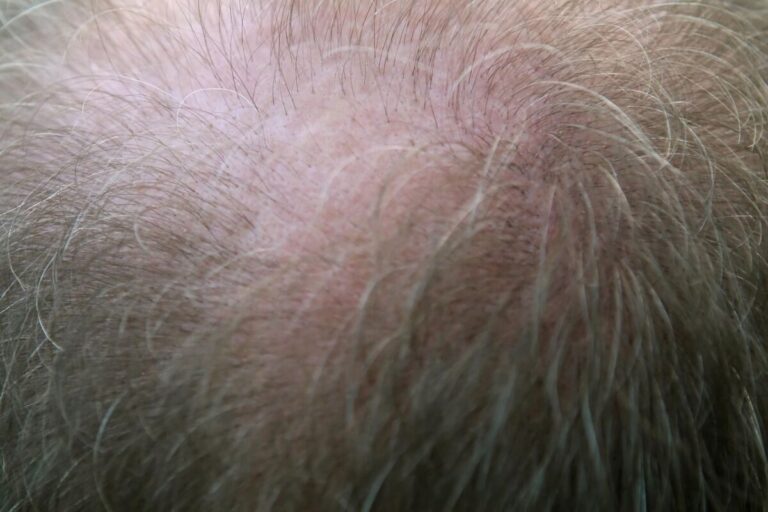
I find myself reaching for my hairbrush only to see more strands than I would prefer left behind. This physical sensation of thinning or brittle texture often signals that my internal nutritional needs require a closer look. Many of us navigate this daily struggle to maintain vitality in our appearance while seeking simple ways to support our structural health.
Nutritional status plays a meaningful role in how hair behaves as we age. Focusing on specific amino acid profiles can offer a pathway toward building better foundations for follicles. I have spent years researching how dietary habits influence these markers of wellness.
Collagen foods for hair strength represent a shift toward whole food nutrition to support the keratin production process. These nutrient dense sources provide the necessary building blocks like proline and glycine to maintain hair integrity. Incorporating these items into a regular diet helps support the natural architecture of strands from the inside out.
Key Takeaways
- Hydrolyzed collagen intake can influence skin moisture levels by up to 20 percent over eight weeks according to clinical research data.
- Healthy hair relies on a continuous supply of essential amino acids that represent roughly 15 to 20 percent of daily protein requirements.
- Vitamin C serves as a required cofactor for prolyl hydroxylase to stabilize the triple helix structure of structural proteins in the body.
Nutrient-Dense Options For Structural Integrity
Focusing on the right animal-based sources provides the body with bioavailable precursors for growth. These foods deliver the raw materials required for structural maintenance.
- Bone Broth: This liquid gold provides a concentrated dose of glycine and proline. Simmering animal bones for long durations extracts these compounds effectively.
- Wild-Caught Fish Skin: This often overlooked source contains type I proteins that are highly compatible with human connective tissues. Preparing fish with the skin left on adds a distinct texture and nutritional profile to meals.
- Pasture-Raised Chicken: Consuming connective tissues found in whole chicken parts offers a natural way to integrate specific proteins into a weekly meal plan. Choosing whole cuts instead of lean breast meat provides a more balanced amino acid profile.
The Practical Application Of Collagen Foods For Hair Strength
Understanding how these proteins interact with other nutrients remains vital for effective results. You must pair these sources with supporting vitamins to ensure efficient absorption.
Consider this simple formula for daily intake. Aim for 10 to 20 grams of high quality protein sources at each primary meal. Multiply this by three to reach a target range that supports connective tissue needs without overwhelming the digestive system.
| Food Source | Primary Benefit | Absorption Rate |
|---|---|---|
| Bone Broth | High glycine density | Rapidly absorbed fluid |
| Fish Skin | Type I proteins | Highly bioavailable source |
| Gelatinous Cuts | Rich connective tissue | Slowly digested fiber |
Research published by the National Library of Medicine confirms that dietary protein sources impact the density and luster of hair over time. Consistent consumption ensures that the follicles receive adequate resources. Never stop or change any medication without consulting the provider who recommended it.
Cofactor Synergy And Nutritional Balancing
Adding specific proteins to your diet works best when you include supporting vitamins. Vitamin C acts as a bridge for proper processing of these structural units.
- Citrus Fruits: Adding lemon or lime to your broths enhances the stability of the proteins. These fruits provide the acidic environment required for optimal digestion.
- Leafy Greens: Dark vegetables offer copper and zinc. These minerals act as catalysts for the enzymes that cross link protein fibers.
- Bell Peppers: These colorful vegetables contain high amounts of ascorbic acid. This supports the natural development of structural networks throughout the body.
Addressing Common Nutritional Barriers
Modern diet habits often lack the connective tissue sources found in ancestral eating patterns. Relying on processed convenience foods often leaves gaps in our protein diversity.
Focusing on whole food variety helps bridge these gaps. I always suggest that readers look toward traditional preparation methods like slow cooking. These methods turn tougher cuts into digestible and nutrient rich meals.
The Department of Agriculture provides data on how diverse protein sources support metabolic health. Maintaining a steady supply of these amino acids is more effective than intermittent or heavy loading. Balance remains the most important factor in long term health.
Frequently Asked Questions
Can dietary changes affect hair thickness?
Hair is primarily composed of protein which means your nutritional intake directly impacts follicle health. When your body receives enough amino acids it can prioritize the development of stronger strands.
Individual results will vary based on overall health markers and baseline habits. Focusing on a nutrient dense diet is a foundational step in supporting your hair over time.
Are plant-based alternatives equivalent to animal sources?
Plant-based foods do not contain the same amino acid profile as animal connective tissues. While beans and legumes provide protein they lack the high concentration of glycine found in animal sources.
Many individuals find success by diversifying their protein sources to ensure all needs are met. If you choose a plant-based path prioritize other hair supporting nutrients like biotin and iron.
How long does it take to notice changes?
Hair cycles occur over several months meaning that immediate results are unlikely. Most individuals report shifts in texture after consistent dietary changes over three to six months.
Patience remains key when using whole foods to support your body. Keep a consistent log of your habits to observe changes as your hair completes its natural growth phases.
Does heat impact the quality of protein foods?
Cooking methods play a part in how nutrients are preserved or altered. Boiling or slow cooking is ideal for connective tissues because it breaks down tough structures into usable forms.
Avoid extremely high heat for extended periods as this can alter the structure of delicate amino acids. Low and slow cooking methods remain the gold standard for preparing these foods.
Are there risks to increasing protein intake?
Excessive consumption of any single nutrient can create an imbalance in your digestive system. It is important to match your intake to your actual activity levels and physical needs.
Start with small portions to gauge how your body responds to new dietary additions. Listen to your physical cues and adjust your portions as necessary for comfort.
The Bottom Line
Prioritizing nutrient dense sources like bone broth and skin-on fish provides the essential amino acids needed for structural support. Consistency is the most important factor in maintaining these habits over the long term.
Integrate these eating patterns slowly to see how your body responds. Eat your way to thicker strands with collagen foods as part of a balanced and varied approach to wellness.
This information is intended for educational purposes only. It is not meant to replace professional guidance or medical supervision. Consult a licensed healthcare provider before starting any new wellness routine.
Get Your FREE Natural Health Guide!
Subscribe now and receive our exclusive ebook packed with natural health tips, practical wellness advice, and easy lifestyle changes, delivered straight to your inbox.