Frequent trips to the restroom often disrupt daily routines and sleep patterns. Many people assume these urges stem from a single source, yet the biological origins vary. Understanding these differences helps individuals manage their daily comfort with clarity.
Discerning these sensations involves looking at how the bladder functions alongside the surrounding reproductive anatomy. While the signals might feel identical, the triggers behind them originate in different zones. Recognizing these nuances empowers better personal health decisions.
Overactive bladder stems from involuntary muscle contractions in the bladder wall, whereas prostate enlargement involves a physical obstruction near the urethra. Distinguishing between them requires observing whether the primary experience is a sudden, uncontrollable urge or a weak, hesitant flow.
Key Takeaways
- Research from the National Institutes of Health indicates that over 50 percent of men over age 60 experience some form of prostatic growth.
- Bladder sensitivity affects an estimated 33 million adults in the United States, according to the National Institute on Aging.
- Normal bladder capacity for an adult typically ranges from 300 to 500 milliliters before the brain signals a need to void.
I often see clients track their fluid intake versus output for one week. This simple data points toward patterns that reveal if the issue is volume or pressure.
Understanding Urinary Sensitivity Patterns
The bladder acts as a storage reservoir that communicates with the brain via nerve pathways. When these pathways misfire, the muscles may contract before the tank reaches capacity. This creates a sensation of needing to go even when little liquid is present.
Defining Bladder Sensitivity Mechanisms
The bladder wall contains a muscle called the detrusor. It relaxes to fill and contracts to empty. When this muscle becomes reactive, it sends signals to the brain far too soon.
The Role Of Sensory Nerves
Sensory receptors in the bladder lining monitor stretch and fullness. If these nerves become overly sensitive, they report a full bladder to the brain prematurely. This causes the urgency that defines the experience of a reactive bladder.
The Anatomy Of Prostatic Growth
The prostate gland sits directly below the bladder and surrounds the urethra. As men age, this gland can increase in size due to natural cellular changes. This growth exerts mechanical pressure on the narrow tube that carries urine out of the body.
How Physical Compression Impacts Flow
A larger gland squeezes the urethra like a kink in a garden hose. The bladder muscle must work harder to push liquid past this narrow point. This extra labor leads to muscle fatigue over time.
The Resulting Flow Pattern
Increased physical resistance often results in a hesitant start to urination. Many people notice a weak stream or a sensation that the bladder never fully empties. These physical roadblocks distinguish this issue from simple nervous system sensitivity.
A Simple Comparison Table Of Urinary Indicators
| Indicator | Reactive Bladder | Prostate Obstruction |
| Primary Sensation | Sudden, intense urge | Hesitation and straining |
| Stream Quality | Usually normal volume | Weak or interrupted |
| Nocturnal Frequency | Often high urgency | Frequent but incomplete |
Calculating Your Daily Fluid Balance
Tracking your output provides a clear picture of how your system handles liquid. This objective data helps you differentiate between a high intake and a functional issue. Use this simple arithmetic to evaluate your personal baseline.
- Record Total Volume: Measure your fluid intake over a twenty four hour period in milliliters.
- Monitor Frequency: Count every trip to the restroom during that same period.
- Calculate Ratio: Divide total intake by the number of trips to find your average void volume.
Most healthy adults should aim for a void volume of at least two hundred milliliters. If your average is consistently lower than one hundred milliliters, your system may be signaling sensitivity. Always compare these numbers against your daily activity level.
Dietary Influences On Bladder Comfort
What you consume directly affects how your bladder behaves throughout the day. Some substances act as irritants that trigger contractions in the detrusor muscle. Identifying these common offenders is a helpful step for many people.
Common Liquid Irritants
Caffeine and alcohol remain the most common triggers for increased urgency. Both substances can alter the chemical composition of urine. This shift irritates the lining of the bladder and increases sensitivity.
Managing Acidic Content
Highly acidic foods like citrus fruits and spicy ingredients sometimes worsen symptoms for sensitive individuals. Removing these from your evening meals often reduces nighttime wakefulness. Observe your reaction to these foods over three days to spot trends.
Physical Exercises For Pelvic Health
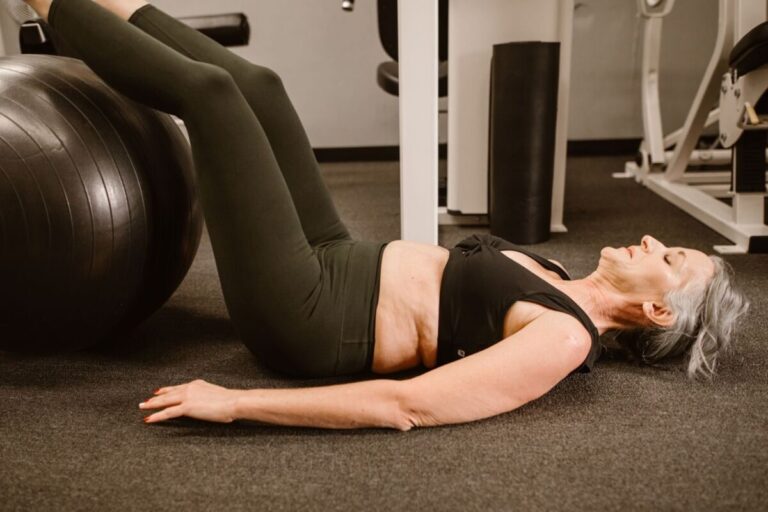
Strengthening the support structures around the bladder helps manage involuntary urges. These muscles hold the urethra closed and prevent leaks. Simple consistent effort yields positive outcomes for most people.
- Pelvic Floor Contractions: Find the muscles used to stop the flow of urine midstream. Squeeze these muscles for five seconds and then release for five seconds.
- Consistent Repetition: Perform three sets of ten repetitions throughout the day. This routine builds endurance in the muscles that support the bladder base.
- Proper Breath Integration: Avoid holding your breath during these movements. Exhale gently while you contract to maintain a neutral core pressure.
Lifestyle Adjustments For Nighttime Comfort
Resting through the night depends on managing how your body processes fluid in the evening. Restricting intake two hours before bed reduces the burden on your system. This simple habit preserves your sleep quality.
Managing Evening Fluid Load
The body produces more urine when you lie flat because gravity allows fluid to move from the limbs back into circulation. Reducing total intake in the late evening minimizes this effect. Focus on hydration during the early morning and afternoon hours instead.
The Importance Of Consistent Habits
The body responds well to predictable schedules. Going to the restroom at set intervals helps train the bladder to hold consistent volumes. This stability reduces the frequency of urgent, unpredictable signals.
Frequently Asked Questions
Does drinking less water help reduce the urge to go?
Cutting back on water might seem logical, but it often leads to concentrated urine that further irritates the bladder lining. A concentrated, acidic mixture is more likely to trigger the detrusor muscle to contract prematurely than a dilute one.
It is better to maintain consistent hydration throughout the day rather than restricting fluids entirely. Focus on spreading your intake across the morning and afternoon so that your body maintains a steady processing rate. Proper hydration keeps the internal environment stable and reduces localized irritation.
Can posture impact how well the bladder empties?
Your body positioning does influence the efficiency of the urinary tract. Sitting properly, with your feet flat on the floor and your knees slightly apart, allows the pelvic floor muscles to relax naturally. This alignment helps the bladder empty with less physical effort.
Slouching or hovering above the seat can prevent the muscles from fully relaxing. This tension often leads to incomplete emptying and creates a feeling of needing to go again shortly after. Consistent posture is a simple but effective way to support your physical comfort during the day.
Do these issues always worsen with age?
Age is a factor in how tissues change, but it does not mean these sensations are inevitable or permanent. Many people successfully manage these shifts by adjusting their lifestyle and supporting their pelvic muscle health. Biology changes, yet it remains adaptable through consistent habits.
Maintaining muscle health and paying attention to dietary triggers helps many people stay comfortable for decades. While the prostate or bladder lining may undergo structural shifts, these changes do not always lead to a loss of control. Proactive awareness remains the best tool for maintaining long term function.
Is there a difference in symptoms during the day versus the night?
Daytime symptoms often link to activity levels and total fluid intake. You might feel the urge to go more when you are busy or moving around because these actions stimulate the bladder. These sensations are often easier to manage through distraction and scheduled voiding.
Nighttime urges are often related to how the body clears fluids that settled in the limbs during the day. As you rest, this fluid returns to the bloodstream and gets processed by the kidneys. Understanding this rhythm helps you time your hydration to ensure better sleep and less nocturnal movement.
When should someone look for external guidance?
You should consider seeking expert help if your current habits do not result in improved comfort after several weeks. If you notice signs like discomfort, burning, or visible changes in your urine, it is time to consult someone who can provide a thorough assessment.
External guidance helps rule out underlying factors that require specific attention. A professional can offer tools, tests, and a tailored plan that goes beyond general wellness suggestions. Prioritize your well being by finding support if your daily quality of life remains significantly disrupted.
The Bottom Line
Distinguishing between the symptoms of an overactive bladder vs prostate issues involves observing whether the core challenge is sudden sensitivity or physical obstruction. Managing these experiences relies on consistent hydration, pelvic muscle support, and identifying dietary triggers. Small, sustained changes often lead to better comfort and daily function. This information is intended for educational purposes only. Individuals who are pregnant, nursing, or living with chronic medical conditions should not follow these suggestions without oversight. Consult a licensed healthcare provider before starting any new wellness routine.
Get Your FREE Natural Health Guide!
Subscribe now and receive our exclusive ebook packed with natural health tips, practical wellness advice, and easy lifestyle changes, delivered straight to your inbox.