Understanding Coconut Oil For Hair Strength
Many people search for ways to keep their locks resilient and healthy throughout the year. Natural lipids often serve as popular options for those seeking a simple routine. Choosing the right substance for your specific needs requires a closer look at how oils interact with the strands.
The marketplace offers endless bottles of fats meant for beauty purposes. Knowing which products actually penetrate the shaft versus those that merely coat the surface remains a vital step for any beauty enthusiast. Education acts as the best defense against marketing claims that sound too good to be true.
Coconut oil for hair strength provides a fatty acid structure known as lauric acid that mimics natural sebum. This medium chain triglyceride reduces protein loss by binding to the keratin structures within the follicle. Research from the National Library of Medicine confirms that this specific oil profile outperforms sunflower and mineral oils when applied to human fibers.
Key Takeaways
- Studies show that coconut based lipids reduce protein loss in damaged fibers by up to 28 percent when applied before washing.
- Medium chain triglycerides account for roughly 90 percent of the saturated fat content found in these plant extracts.
- Clinical testing suggests that leaving this substance on the scalp for 30 minutes provides enough saturation for protective benefits.
I noticed my ends broke less frequently after I began using small amounts of organic oil as a pre wash protective barrier once weekly.
Understanding The Molecular Structure Of Tropical Lipids
The Chemistry Of Lauric Acid
The primary component of this nut extract is lauric acid. This substance features a low molecular weight and a linear chain structure. These traits allow the oil to move past the outer cuticle layer of the strand.
Most vegetable oils possess large molecules that remain stuck on the exterior. This buildup creates a sticky residue rather than internal reinforcement. Lauric acid travels deeper into the cortex to offer support from within.
Lipid Interaction With Keratin
Keratin makes up the structural foundation of your hair. When this protein loses integrity, the strand becomes brittle and prone to snapping. The National Institutes of Health highlights how specific dietary and topical fats influence the structural density of human hair fibers.
The oil acts as a filler for the gaps left by environmental stress. It fills the voids in the cortex to prevent water absorption that causes swelling. This stability helps maintain the physical shape of the strand during heat styling or wet combing.
Comparison Of Popular Hair Oils
| Oil Type | Penetration Ability | Best Use Case |
| Coconut Oil | High | Protein Protection |
| Argan Oil | Medium | Surface Smoothing |
| Jojoba Oil | Low | Scalp Balancing |
The Role Of Hydration And Porosity
Hair porosity describes how easily your strands absorb and retain moisture. High porosity hair has gaps in the cuticle layer that let water escape quickly. Using a sealing agent keeps the internal moisture levels balanced.
Managing Cuticle Damage
Environmental factors like ultraviolet rays and chlorine strip away the natural protective coating. This leaves the inner layers exposed to chemical reactions. Regular application of a lipid barrier creates a shield that prevents these external hazards from causing lasting harm.
Preventing Hygral Fatigue
Hygral fatigue occurs when strands absorb too much water during frequent washing. The swelling and shrinking process eventually stretches the proteins to the breaking point. A hydrophobic barrier prevents excessive water intake and keeps the cuticle layed down flat.
Application Methods For Maximum Benefit
Frequency determines the result when using plant based lipids. Overdoing the process often leads to heavy or limp strands. A balanced approach respects the natural cycle of the scalp.
- Pre Wash Barrier: Apply a small amount to dry hair thirty minutes before jumping into the shower. This prevents water from causing the strand to swell too much during the rinse.
- Overnight Treatment: Massage a teaspoon into the ends once every two weeks for a deeper effect. Use a silk cap to protect your pillow and avoid leaving it on for more than twelve hours to prevent follicle blockage.
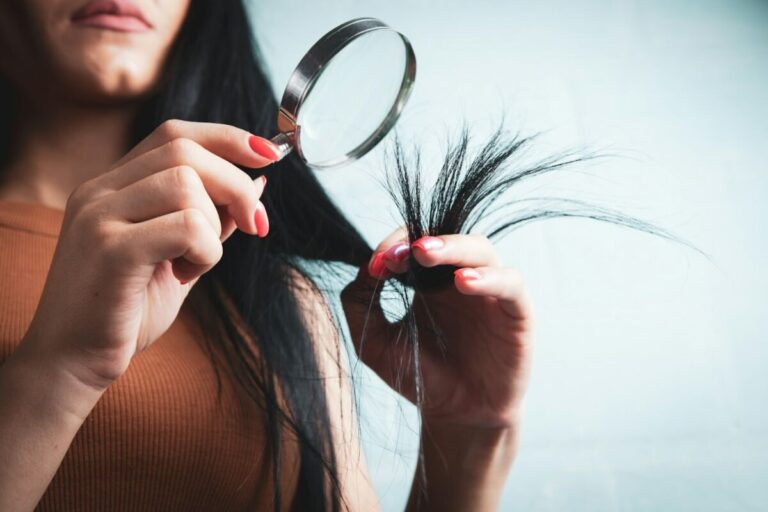
- Daily Touch Ups: Use a tiny drop on the very tips of your strands to hide split ends. Ensure the product is organic and unrefined to avoid synthetic additives that may cause irritation.
Identifying Common Industry Myths
Myth One Regarding Growth
Many advertisements claim that using this oil will make your hair grow faster. No topical substance can alter the genetic speed of your follicles. Growth occurs at the root level inside the scalp where blood flow and nutrition matter most.
Myth Two About Curing Dandruff
While the oil offers moisture to a dry scalp, it does not stop the fungal growth associated with dandruff. Relying solely on oil might actually trap dead skin cells and worsen the situation. Proper cleansing remains the primary method for scalp health.
Understanding The Scientific Data
Research published by the National Institutes of Health emphasizes the importance of fatty acid profiles for overall hair resilience. When selecting products, always check the source quality. Cold pressed options typically retain more of their natural nutrients compared to highly processed versions.
Frequency And Volumetric Guidelines
Consistency creates the baseline for success. Most people find that applying the oil once per week works well for thick hair. Fine or thin textures require much smaller amounts to avoid weighing down the volume.
Frequently Asked Questions
Can this oil be used on color treated hair?
Using this substance on color treated locks is generally safe. The oil helps seal the cuticle which may help maintain the vibrancy of the pigment longer. Always perform a patch test on a small hidden section to ensure the color does not react to the oil.
Focus the application mainly on the mid lengths and ends. Avoid applying heavy amounts directly to the root area where color is most concentrated. This strategy keeps the hair looking fresh without dulling the tone.
Does it work for all hair types?
This oil works best for medium to thick hair that is prone to protein loss. People with fine hair might find it too heavy even in small amounts. Curly or wavy textures often respond well due to the naturally drier nature of those hair patterns.
If your hair feels greasy after washing, switch to a lighter oil like almond or grapeseed. Individual biology varies significantly and testing different options is standard practice. Observe how your specific texture reacts over a two week period before adjusting your routine.
How often should one apply the oil?
Applying the oil once every seven to ten days is sufficient for most users. Frequent applications can cause a buildup that makes the hair look dull and lifeless. The goal is to support the strand, not to saturate it constantly.
If your hair feels brittle and dry, start with a minimal amount. Increase the frequency only if your hair shows signs of improvement. Consistency beats quantity every single time when it comes to maintaining natural texture.
Is it necessary to warm the oil before use?
Warming the oil to a mild temperature helps it spread more evenly across the strands. Use a gentle water bath rather than a microwave to maintain the integrity of the fatty acids. The consistency should be liquid but never hot enough to burn the skin.
Applying a warm oil makes the sensory experience more pleasant for the user. It allows for a smoother massage that encourages better distribution from root to tip. Ensure the temperature is comfortable before applying it to your scalp.
What if the oil makes my scalp itchy?
An itchy scalp often indicates that the product is clogging the pores or that your skin does not agree with the specific fat profile. Stop using the oil immediately if you notice irritation or redness. Your scalp requires a balance of natural oils and should breathe freely.
If discomfort persists, wash your hair with a clarifying shampoo to remove all residues. Sensitivity to plant lipids occurs frequently in certain individuals. Explore alternative options like lightweight botanical serums that do not sit as heavily on the surface.
The Bottom Line
Using coconut oil for hair strength is a reliable way to protect fibers from environmental wear. It provides a unique lipid profile that penetrates deeper than most alternatives. Follow a consistent schedule and pay attention to how your hair reacts to the treatment. Consult a licensed healthcare provider before starting any new wellness routine.
Get Your FREE Natural Health Guide!
Subscribe now and receive our exclusive ebook packed with natural health tips, practical wellness advice, and easy lifestyle changes, delivered straight to your inbox.