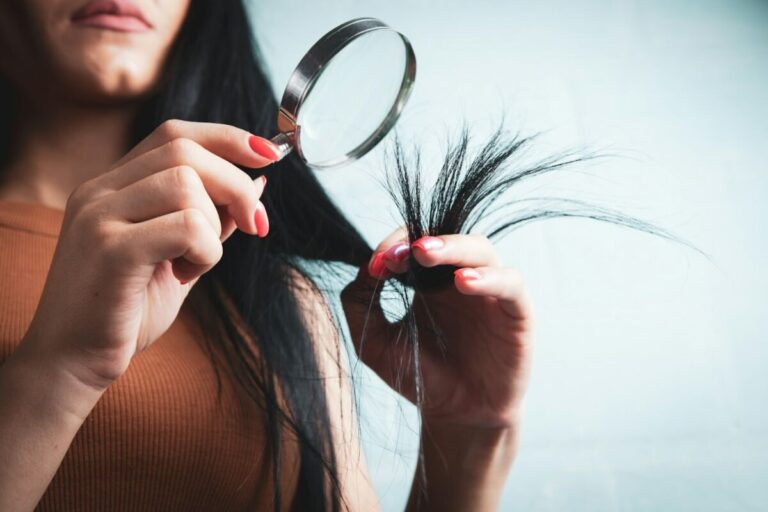
Understanding Perimenopause Itchy Scalp and Hair Loss
Many women notice changes to their hair and skin during the years leading up to menopause. You might find your head feels sensitive or that your brush holds more strands than before. These physical shifts are common experiences during this life phase.
Shifting internal states often impact the follicles and the protective barrier of your head. You may observe dryness or thinning as your natural chemistry fluctuates. Knowing why these changes occur helps you navigate this transition with more confidence.
Perimenopause itchy scalp and hair loss stem from a decrease in reproductive hormones that protect follicle health and skin moisture. These hormonal dips cause the scalp to become dry and irritated while making hair strands prone to breakage or shedding.
Key Takeaways
- Up to 50 percent of women experience thinning hair patterns by age 50.
- The National Institute on Aging notes that fluctuating hormone levels often start in the mid 40s.
- Scalp hydration requires a healthy balance of sebum production, which typically drops as estrogen levels decline.
I have spent years watching friends struggle with sudden texture changes. We often forget that our skin and hair reflect the internal shift in our overall biological rhythm.
Hormonal Shifts And Follicle Health
Your hair follicles contain many receptors for hormones. When these levels drop, the growth cycle of your hair shifts. The transition from growth to shedding happens faster than it did in your thirties.
The Growth Phase Cycle
Hair grows in specific stages known as the anagen, catagen, and telogen phases. During midlife, the anagen phase shortens for many individuals. This results in shorter and finer strands that appear sparse over time.
Impact On Sebum Production
Sebum provides the natural oils that keep your scalp flexible and hydrated. Lower estrogen levels signal your glands to slow down oil output. This lack of natural lubrication leads to the sensation of itching and tightness.
Nutritional Foundations For Scalp Wellness
Your follicles depend on a steady supply of nutrients to function. Iron and B vitamins play roles in healthy strand density. Research from the National Institutes of Health indicates that iron deficiencies can contribute to increased shedding.
- Iron Rich Sources: Focus on lentils, beans, and spinach to maintain your reserves.
- Omega Three Fatty Acids: Consume walnuts and flax seeds to support skin moisture levels.
- Protein Intake: Ensure your daily meals provide enough amino acids to support keratin production.
Hydration And Barrier Protection
The scalp acts as a barrier against environmental stressors. A lack of moisture makes this barrier feel compromised and irritated. Keeping the skin supple prevents the urge to scratch, which can cause further damage.
Managing External Irritants
Avoid harsh sulfates that strip away remaining natural oils. Switch to gentle cleansing agents that preserve your moisture balance. Protecting the scalp from sun exposure also reduces inflammation and dryness.
Internal Water Balance
Hydration levels impact your entire body including your skin. Aim to drink water throughout the day to support cellular function. Well hydrated skin stays less prone to the sensation of constant itchiness.
Calculating Your Daily Nutrient Needs
You can estimate your basic requirements to ensure your body has the raw materials for hair growth. Use this simple model to track your intake of essential building blocks.
| Nutrient | Primary Function | Daily Goal |
|---|---|---|
| Protein | Keratin Building | 0.8g per kg of weight |
| Iron | Oxygen Transport | 18mg for women |
| Biotin | Follicle Strength | 30mcg for adults |
Multiply your body weight in kilograms by the factor of 0.8 to find your daily protein target. If you weigh 70 kilograms, your target is 56 grams of protein. This ensures your follicles remain active and strong.
Stress Management And Physical Tension
High stress levels increase the presence of cortisol in your system. This chemical spike can push hair follicles into a resting state prematurely. Reducing your daily stress load supports a more balanced internal environment.
The Brain Skin Connection
Your nervous system communicates directly with your skin cells. Chronic tension often manifests as inflammation on the scalp surface. Regular movement helps regulate these signals effectively.
Movement For Circulation
Blood flow carries nutrients to the scalp surface. Gentle scalp massage improves circulation and helps release tension. Consistent activity keeps your systems moving efficiently throughout the day.
Environmental Factors And Scalp Sensitivity
Your surroundings dictate how your skin reacts to the world. Cold air and central heating often sap moisture from the scalp. Using a humidifier can help maintain indoor air quality for your comfort.
Selecting Gentle Care Products
Many traditional shampoos contain ingredients that exacerbate dryness. Look for products designed for sensitive scalps that lack heavy fragrances. These options minimize the risk of contact irritation.
Seasonal Transitions
You might notice more sensitivity during the change of seasons. Adjust your habits as the humidity shifts outside. Protection such as wearing a soft hat can prevent moisture loss in winter.
Genetic Markers And Individual Patterns
Some people carry a predisposition for thinner hair as they age. Look at family history to understand your unique trajectory. While genetics are fixed, your choices regarding nutrition and care remain within your control.
Working With Your Biology
Accepting your natural pattern allows you to focus on health rather than perfection. Focus on density and skin comfort as primary markers of success. Small adjustments often yield noticeable changes in how your hair feels.
Tracking Changes Over Time
Keep a simple log of your scalp comfort levels for three months. This helps you identify what helps or hinders your progress. Consistent observation provides the best feedback for your routine.
Frequently Asked Questions
Can diet fix thinning hair caused by hormonal shifts?
Nutrition provides the necessary building blocks for hair growth, but it cannot override the hormonal shifts of midlife entirely. Eating enough protein and iron ensures your body has the materials needed to maintain current density. Scientific data from the National Library of Medicine supports the link between vitamin status and follicle health. Focusing on whole foods creates a supportive environment for your body to function at its best.
While diet is not a magic fix for hormonal dips, it acts as a foundation for overall vitality. Ensure you track your intake of micronutrients like zinc and selenium alongside your protein goals. A well nourished system is always more resilient during periods of change. Consistency with your food choices will help you maintain a healthier scalp and more vibrant hair.
How often should I wash my hair to reduce itching?
The frequency of washing depends on your scalp oil production and environment. Most people find that washing too often strips away natural oils, which leads to increased itching and dryness. If your scalp feels dry, try waiting an extra day between washes to allow natural moisture to accumulate on the skin surface. Using lukewarm water instead of hot water also prevents the scalp from becoming dehydrated during the cleansing process.
Adjust your routine based on how your skin feels at the end of the day. If you live in a dusty or humid environment, you might need to rinse more often without using harsh soaps. Focus on massaging the roots to stimulate blood flow rather than scrubbing the strands. Gentle care and patience allow your scalp barrier to recover and maintain its natural balance over time.
Are scalp massages effective for growth?
Scalp massage encourages blood flow to the hair follicles, which helps deliver oxygen and nutrients to the roots. While it is not a replacement for hormonal health, it improves the environment where hair grows. Use your fingertips to apply light pressure in circular motions across your head for five minutes daily. This simple practice also helps lower stress levels and physical tension in the neck and shoulders.
Regular massage keeps the skin on your head supple and responsive. It prevents the buildup of dead skin cells that can sometimes cause itching or inflammation. Combining this practice with a healthy diet and proper hydration creates a holistic approach to hair care. Always use gentle movements to avoid pulling or breaking fragile hair strands during your session.
What ingredients should I avoid in hair products?
Avoid products that contain harsh alcohols or strong sulfates, as these ingredients strip away essential oils needed for moisture. Fragrances and certain preservatives can also cause contact irritation on a sensitive scalp. Look for labels that highlight gentle, moisturizing ingredients like aloe vera or plant oils. These options support your skin barrier instead of disrupting it during your daily routine.
Read ingredient lists to spot common irritants like sodium lauryl sulfate. If your scalp feels tight or itchy after using a product, that is a sign to stop using it immediately. Simple, minimalist formulations are usually better for those experiencing midlife changes. Prioritize products that focus on soothing the scalp and maintaining natural hydration levels throughout the day.
Does exercise help with hair thinning?
Physical activity improves systemic circulation, which benefits your hair follicles indirectly. Better blood flow means more nutrients arrive at the scalp to support growth and maintenance. Regular movement also regulates your stress levels, which prevents excess cortisol from affecting your hair cycle. Even moderate walking or strength training contributes to your overall physical resilience during this transition.
Focus on activities you enjoy to keep the habit consistent over time. Strength training is particularly useful for maintaining your metabolic health and balancing internal systems. Make sure you stay hydrated before and after your workouts to support your skin. By keeping your body active, you provide your follicles with the best possible chance to remain healthy and strong as you navigate perimenopause.
The Bottom Line
Perimenopause itchy scalp and hair loss are common shifts during this life phase. Focus on hydration, nutrient density, and stress reduction to support your body. Small changes to your routine offer the most sustainable path to comfort and health. Consult a licensed healthcare provider before starting any new wellness routine. Individuals with underlying medical conditions or those currently pregnant should speak with a professional before changing their habits.
Get Your FREE Natural Health Guide!
Subscribe now and receive our exclusive ebook packed with natural health tips, practical wellness advice, and easy lifestyle changes, delivered straight to your inbox.