
Unpacking the Omega-3 Potential of Kidney Beans
Many individuals prioritize sourcing essential fatty acids, particularly the omega-3 variety, within their daily diet. While commonly associated with fatty fish, a deeper exploration reveals how diverse plant foods, including the humble kidney bean, contribute important nutritional components. Understanding these contributions helps build a more comprehensive and balanced approach to wellness.
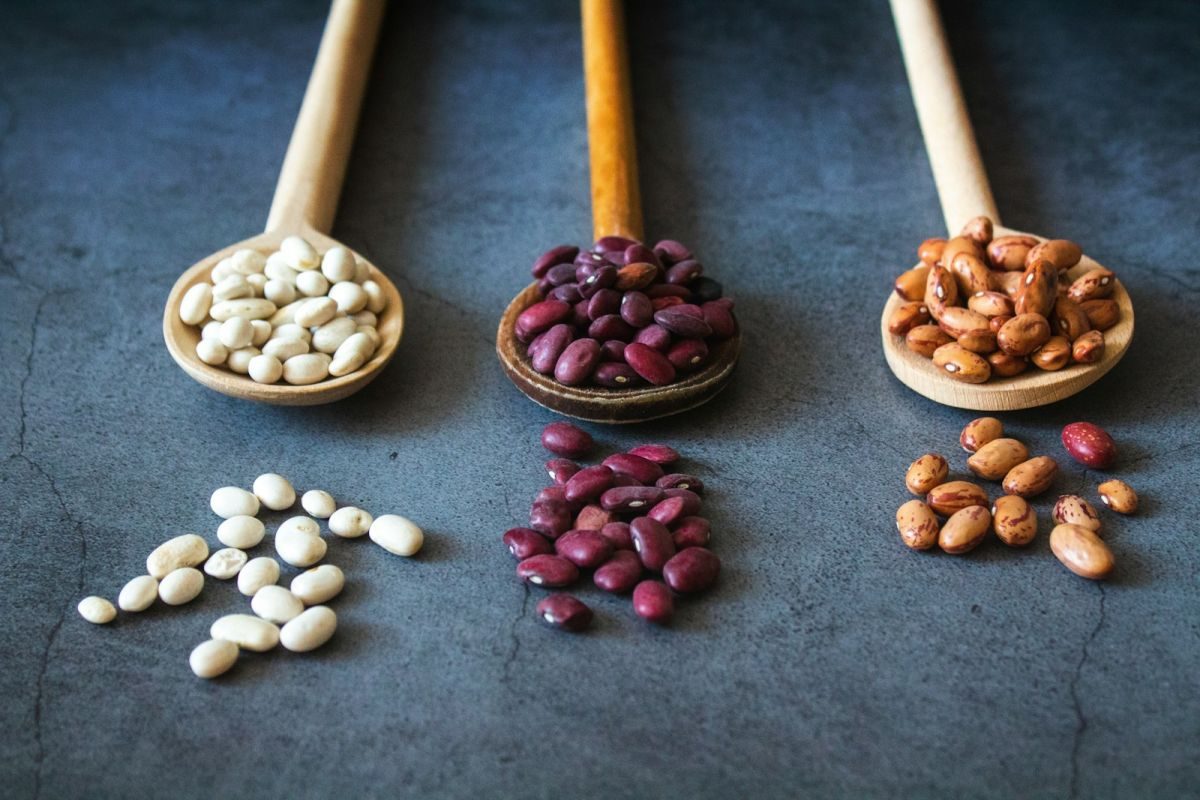
Kidney beans for omega 3 aren’t a direct, high-potency source of EPA or DHA, the types found in marine life. Instead, their value lies in their significant content of alpha-linolenic acid, or ALA. ALA is a crucial plant-based omega-3 fatty acid that the human body cannot produce on its own. This makes it an essential nutrient, requiring consistent intake through food.
Incorporating kidney beans into your dietary plan offers much more than just ALA. These legumes deliver a rich profile of fiber, plant-based protein, and an array of vital minerals. This makes them a smart addition for those seeking to support overall nutritional well-being and diversify their sources of essential fatty acids.
The Historical Significance of Legumes in Human Nutrition
Legumes, including kidney beans, have anchored human diets for millennia. Archaeological evidence points to their cultivation dating back thousands of years across various civilizations. Their sustained importance reflects their impressive nutritional density and resilience as a food crop.
Ancient societies recognized the value of beans for sustenance and health. They were a staple in agricultural systems from the Americas to the Mediterranean and Asia. This enduring legacy highlights a deep, foundational relationship between humans and these versatile plants.
The role of kidney beans evolved from a basic survival food to a culinary cornerstone. They provided accessible protein and energy, particularly in regions where animal protein was scarce or seasonally unavailable. This historical context underscores their consistent contribution to human vitality.
Today, these legumes continue to be globally significant. They offer an affordable and nutrient-rich option for diverse dietary preferences. Their long history of consumption provides a compelling backdrop for understanding their ongoing relevance in modern nutritional discussions.
- Primary Role in Diet: Ancient staple, sustainable food source.
- Nutritional Impact: Provided essential protein, energy, and micronutrients.
- Cultural Significance: Foundational in numerous traditional cuisines worldwide.
Integrating Ancient Wisdom
Consider adding kidney beans to a weekly meal rotation, honoring their historical role in providing essential dietary elements for generations.
Alpha Linolenic Acid What it is and Why it Matters
Alpha-linolenic acid, or ALA, stands as a fundamental polyunsaturated fatty acid. It belongs to the omega-3 family and is distinguished as an essential nutrient. This means your body requires it for various functions but cannot synthesize it internally.
ALA must come directly from dietary sources. Once consumed, the body can, to a certain extent, convert ALA into other long-chain omega-3s, specifically eicosapentaenoic acid, or EPA, and docosahexaenoic acid, or DHA. This conversion process is often discussed among nutrition experts.
The efficiency of this conversion varies among individuals. Factors like genetics, diet, and overall health status can influence how much ALA ultimately becomes EPA and DHA. While some conversion occurs, it is generally considered limited.
Despite the conversion rate, ALA itself plays its own important role in supporting general well-being. It contributes to maintaining a balanced dietary fat intake, which is essential for overall cellular health. Focusing on ALA rich foods like kidney beans ensures you’re supplying your body with this vital building block.
- Nutrient Type: Essential omega-3 fatty acid.
- Source: Strictly dietary; body cannot produce.
- Metabolic Pathway: Precursor to EPA and DHA.
Daily Dietary Inclusion
Ensure regular intake of ALA rich foods like nuts, seeds, and legumes to support the body’s essential fatty acid requirements.
Kidney Beans: More Than Just ALA
While kidney beans offer ALA, their nutritional profile extends far beyond this single fatty acid. They are true powerhouses of essential nutrients, contributing significantly to a well-rounded diet. This broader spectrum of benefits makes them exceptionally valuable.
A notable component is their high fiber content. Both soluble and insoluble fibers are present in kidney beans. Soluble fiber helps maintain a sense of digestive regularity and can support overall gut wellness. Insoluble fiber adds bulk, contributing to healthy digestive function.
Kidney beans also deliver substantial plant-based protein. This makes them an excellent option for vegetarians, vegans, or anyone looking to diversify their protein sources. Protein is fundamental for tissue maintenance and countless bodily processes.
Beyond protein and fiber, these legumes are packed with vitamins and minerals. They provide a good source of folate, iron, magnesium, potassium, and zinc. These micronutrients are vital for energy metabolism, immune support, and many other physiological functions that contribute to a healthy life.
- Key Macronutrients: Dietary fiber, plant protein.
- Essential Micronutrients: Folate, iron, magnesium, potassium, zinc.
- Overall Benefit: Supports digestion, provides sustained energy, contributes to diverse nutrient intake.
Nutrient Density Approach
Incorporate a variety of legumes like kidney beans into meals to benefit from a wide array of macro and micronutrients.
Comparing Plant-Based ALA to Marine Omega-3s
Understanding the distinction between plant-based ALA and marine-derived EPA and DHA is crucial for a complete picture of omega-3 nutrition. Both forms are vital, yet they serve different primary roles within the body’s metabolic landscape.
Plant-based sources such as flaxseeds, walnuts, and kidney beans provide ALA. This precursor fatty acid offers its own benefits and serves as a foundational building block. The body then performs a conversion process, though limited, to derive EPA and DHA.
Marine sources, primarily fatty fish and algae, directly provide EPA and DHA. These long-chain omega-3s are well-known for their unique roles in supporting various aspects of physiological function. Many people aim to include both types in their diet.
The choice between prioritizing plant or marine sources often depends on individual dietary preferences, ethical considerations, and nutritional goals. A balanced approach often involves a mix of both, or careful supplementation if dietary intake is insufficient.
This information is educational and not a substitute for medical advice. People with underlying conditions often work with a qualified healthcare professional for personalized guidance regarding essential fatty acid intake.
| Omega-3 Type | Primary Dietary Sources | Key Characteristics |
|---|---|---|
| Alpha-Linolenic Acid (ALA) | Flaxseeds, Chia Seeds, Walnuts, Kidney Beans, Soybeans | Essential fatty acid, plant-based, precursor to EPA/DHA, supports general well-being. |
| Eicosapentaenoic Acid (EPA) | Fatty Fish (Salmon, Mackerel), Algae | Long-chain omega-3, directly utilized by the body, widely discussed for its specific physiological roles. |
| Docosahexaenoic Acid (DHA) | Fatty Fish (Salmon, Mackerel), Algae, Some Eggs (fortified) | Long-chain omega-3, directly utilized by the body, important for various body tissues and overall health. |
Maximizing ALA Absorption from Kidney Beans
To fully benefit from the ALA and other nutrients in kidney beans, proper preparation is key. Legumes contain certain compounds that, if not properly managed, can interfere with nutrient absorption. Simple cooking methods help unlock their full potential.
Soaking kidney beans before cooking is a traditional and effective practice. This process helps to reduce oligosaccharides and enzyme inhibitors, making the beans more digestible. It also contributes to better nutrient availability.
Thorough cooking is absolutely essential. Kidney beans must be cooked until they are tender throughout. Undercooked beans can retain harmful lectins, which can cause digestive discomfort. Always boil vigorously for at least 10 minutes then simmer until soft.
Pairing kidney beans with certain foods can also enhance the absorption of their micronutrients, particularly iron. Vitamin C rich foods, such as tomatoes or bell peppers, can significantly improve non-heme iron uptake. This simple synergy boosts overall nutritional benefit.
- Preparation Step: Soaking dried beans overnight.
- Cooking Method: Boil vigorously, then simmer until tender.
- Nutrient Synergy: Combine with Vitamin C sources for enhanced iron absorption.
Optimized Cooking Practice
Always soak dried kidney beans and cook them thoroughly to ensure maximum digestibility and nutrient bioavailability.
Simple and Delicious Ways to Enjoy Kidney Beans
Integrating kidney beans into your diet is straightforward and offers a world of culinary possibilities. Their versatility allows them to enhance a wide range of dishes, adding both flavor and nutritional value. Don’t limit yourself to just one type of preparation.
Consider them a foundational element for hearty stews and chilis. Their robust texture holds up well to slow cooking, absorbing the flavors of spices and vegetables. This makes them perfect for comforting, one-pot meals, especially during cooler months.
Kidney beans also excel in salads. A simple bean salad with fresh herbs, olive oil, and lemon juice offers a refreshing and protein-packed lunch. They blend well with leafy greens, grains, and other colorful vegetables, creating a visually appealing and nutritious dish.
For a quick and easy option, incorporate them into wraps or tacos. Mashed or whole, they provide a satisfying filling alongside fresh salsa, avocado, and crisp lettuce. This adaptability makes it easy to enjoy their benefits frequently.
They can even be a secret ingredient in vegetarian burgers or meatless loaves, adding bulk, protein, and a pleasing texture. Their ability to bind ingredients makes them an excellent plant-based alternative in many recipes.
- Meal Ideas: Chilis, stews, salads, wraps, veggie burgers.
- Flavor Pairings: Cumin, chili powder, garlic, onion, cilantro, lime.
- Texture Contribution: Hearty, creamy when mashed, firm when whole.
Everyday Meal Integration
Experiment with kidney beans in diverse recipes to discover new favorite dishes and increase your nutrient intake.
Common Misconceptions About Plant-Based Omega-3s
There exists some confusion regarding the efficacy of plant-based omega-3s, particularly ALA, compared to marine sources. Clarifying these points helps individuals make informed dietary choices without unnecessary concern.
One common misconception is that plant-based omega-3s are ineffective because the body’s conversion of ALA to EPA and DHA is limited. While conversion rates vary, ALA itself is an essential fatty acid with its own important roles in the body. It isn’t merely a less efficient version of marine omega-3s.
Another point of misunderstanding involves the idea that only animal products can provide complete nutrition. This perspective overlooks the rich and varied nutrient profiles of plant foods like kidney beans. A well-planned plant-based diet can provide all essential nutrients, including ALA.
Some people believe that if they don’t eat fish, they’ll inevitably be deficient in omega-3s. This isn’t necessarily true. Consistent intake of ALA-rich plant foods, and potentially targeted supplementation with algal DHA/EPA for specific needs, can provide comprehensive omega-3 support. Research from the National Institutes of Health provides detailed information on omega-3 sources.
The goal isn’t to replace one source entirely with another, but to understand the unique contributions of each. Plant foods offer ALA, fiber, protein, and minerals, forming a robust foundation for a healthy dietary pattern. Marine sources offer direct EPA and DHA.
- ALA Efficacy: Essential in its own right, not solely dependent on conversion.
- Nutritional Completeness: Plant-based diets can be nutritionally complete with proper planning.
- Supplementation Context: Algal sources can provide direct EPA/DHA for plant-focused diets.
Informed Dietary Planning
Educate yourself on the distinct roles of various omega-3 sources to build a balanced and effective dietary strategy.
Frequently Asked Questions
Do kidney beans have high levels of omega-3?
Kidney beans contain alpha-linolenic acid, or ALA, which is a plant-based omega-3 fatty acid. While not as concentrated in EPA or DHA as fatty fish, they are a valuable source of ALA, contributing to your essential fatty acid intake within a plant-forward diet.
Can kidney beans replace fish as an omega-3 source?
Kidney beans provide ALA, a precursor omega-3. Fish directly supply EPA and DHA. While kidney beans are a beneficial part of a healthy diet, they aren’t a direct replacement for the specific long-chain omega-3s found in fish. A balanced approach often involves diverse sources.
Are canned kidney beans as nutritious as dried ones?
Canned kidney beans retain most of their nutritional value, including ALA, fiber, and protein. They are a convenient option. Rinsing canned beans helps reduce sodium content. Dried beans, when properly soaked and cooked, offer similar nutritional benefits and can sometimes be more cost-effective.
What are the primary benefits of consuming kidney beans regularly?
Regular consumption of kidney beans provides dietary fiber, plant-based protein, and essential minerals like iron and magnesium, in addition to ALA. These contribute to digestive wellness, sustained energy, and overall cellular support, making them a highly nutritious food choice.
The Bottom Line
Kidney beans stand as a nutritional cornerstone, offering far more than their notable contribution of ALA. They are a rich source of essential fiber, plant protein, and vital minerals, supporting a wide array of bodily functions. Their historical significance and versatility in cooking solidify their place in a balanced, health-conscious diet.
Understanding that kidney beans provide the essential precursor ALA, rather than direct EPA or DHA, is key. This knowledge empowers you to build a comprehensive omega-3 strategy that encompasses diverse plant and potentially marine or algal sources. Embrace these legumes as a powerful component of your wellness journey, benefiting from their broad spectrum of health-supporting nutrients.
Embrace Legume Diversity
Make kidney beans a regular feature in your meals to harness their comprehensive nutritional value and support a varied intake of essential nutrients.
Get Your FREE Natural Health Guide!
Subscribe now and receive our exclusive ebook packed with natural health tips, practical wellness advice, and easy lifestyle changes, delivered straight to your inbox.