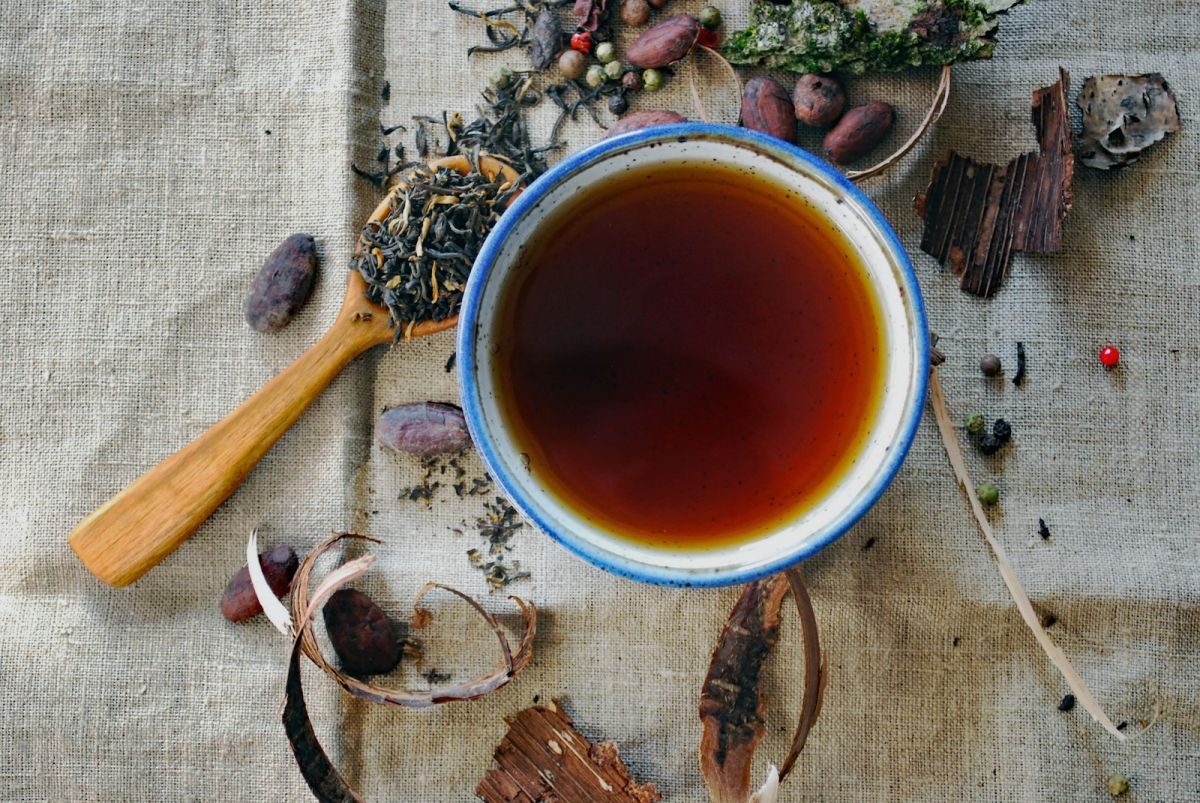

Embracing Comfort: Devil’s Claw Tea for Joint Mobility
The human body thrives on fluidity and ease of motion. Many people naturally seek ways to support this vital aspect of well-being. Focusing on traditional botanical practices offers a pathway to explore natural approaches for a sense of comfort.
Among these botanical considerations, **devilʼs claw tea for joint mobility** has garnered significant attention. This plant, native to Southern Africa, presents an intriguing profile for individuals aiming to maintain an active lifestyle. Its historical use highlights a long-standing association with general physical comfort.
Understanding how to properly prepare and incorporate this tea can be a valuable addition to a personal wellness strategy. It’s an accessible way to engage with plant wisdom and support the body’s natural inclination towards comfortable movement. People with underlying conditions often work with a qualified healthcare professional for personalized guidance. This information is educational and not a substitute for medical advice.
The Ancient Roots of Devil’s Claw
Devil’s Claw, scientifically known as Harpagophytum procumbens, holds a significant place in the traditional wellness practices of indigenous Southern African communities. For generations, these cultures have recognized the plant’s unique properties. Its common name derives from the small, barbed fruits that cling to animals, but its true value lies in the roots.
These communities traditionally utilized the tuberous secondary roots. They often prepared these roots as decoctions or infusions. This practice served as a general aid for various aspects of daily living and overall physical well-being.
The plant’s enduring presence in traditional remedies speaks to its perceived efficacy and cultural importance. It represents a piece of botanical heritage passed down through time. This deep history provides a compelling backdrop for modern exploration of its properties.
- Origin: Southern Africa, particularly the Kalahari Desert region.
- Traditional Use: Prepared as infusions or decoctions for general comfort.
- Key Cultural Significance: Historically valued by indigenous communities for physical well-being.
Traditional Preparation Insights
Historically, the roots were often sun dried and then broken into smaller pieces before being steeped in hot water. This method allowed for the extraction of the plant’s compounds. The resulting liquid was then consumed to support a sense of ease.
Understanding Devil’s Claw: Beyond the Basics
The primary compounds of interest within Devil’s Claw are a group of iridoid glycosides, particularly **harpagosides**. These unique plant chemicals are extensively studied for their contribution to the plant’s overall character. They represent a key part of what makes Devil’s Claw distinctive among botanicals.
Beyond harpagosides, the plant also contains other beneficial constituents. These include various phytosterols, flavonoids, and phenolic acids. This complex array of compounds contributes to the plant’s complete profile. The synergy of these components is often discussed in botanical science.
Research into these compounds provides insight into the plant’s potential role in supporting human well-being. While specific mechanisms are complex, the general focus remains on the plant’s capacity to assist with natural body processes. It offers a fascinating example of botanical chemistry at work.
- Primary Bioactive: Harpagosides.
- Other Constituents: Phytosterols, flavonoids, phenolic acids.
- General Classification: Iridoid glycoside rich botanical.
Exploring Botanical Composition
Understanding the plant’s constituent compounds provides a foundation for appreciating its place in wellness practices. These natural components are part of a complex botanical symphony. Many find value in discussing these details with healthcare professionals when considering their own choices.
Preparing Your Devil’s Claw Tea
Making Devil’s Claw tea is a straightforward process, similar to preparing many other herbal infusions. The quality of the dried root material plays a role in the final tea. Sourcing from reputable suppliers helps ensure a good starting product.
The key to a beneficial infusion lies in proper extraction. This involves using water at the correct temperature and allowing sufficient steeping time. These steps help to draw out the active compounds from the dried root without compromising their integrity.
Consider preparing this tea as part of a calming daily ritual. The act of brewing and sipping can contribute to a sense of mindfulness. It becomes more than just a drink; it’s an opportunity for quiet reflection and self care.
- Tea Form: Dried cut root or finely powdered root.
- Water Temperature: Near boiling, around 200-212°F (93-100°C).
- Steep Time: Typically 10-15 minutes, often longer for a stronger infusion.
Brewing Protocol
To prepare, place one teaspoon of dried devil’s claw root in a cup, pour hot water over it, and allow it to steep before straining and enjoying.
Complementing an Active Lifestyle
Many individuals lead active lives, engaging in sports, hobbies, or daily tasks that require consistent movement. Supporting the body’s natural ability to move with ease becomes a priority. Incorporating certain botanicals can be part of this broader strategy.
Devil’s Claw tea offers a way to explore general comfort and a sense of flexibility. People often find that a balanced diet, regular physical activity, and targeted botanical support contribute to feeling good. This tea can be a component of such a personal wellness plan.
A consistent routine, including mild exercise and hydration, often complements the gentle support from herbal teas. The aim is to foster an environment where the body feels more agile and less restricted. It’s about empowering a lifestyle of sustained physical comfort.
- Focus Area: Supporting general comfort in movement.
- Potential Contribution: May help people feel more comfortable moving.
- Lifestyle Integration: Complements an active, balanced approach to well-being.
Daily Wellness Integration
Sipping Devil’s Claw tea can be a comforting addition to a daily routine aimed at supporting physical flexibility and ease of movement.
Comparative Perspective: Herbal Support for Movement
The botanical world offers a diverse array of plants traditionally associated with physical comfort and movement. While Devil’s Claw has a distinct profile, it’s helpful to understand it within a broader context of other well-regarded herbs. This comparison highlights unique aspects and shared goals among botanical supports.
Many herbs contribute to overall well-being through different sets of plant compounds. Some focus on supporting the body’s natural response to various stimuli. Others are simply enjoyed for their general soothing qualities. Each plant brings its own unique character to the wellness landscape.
Considering these options helps individuals make informed choices that align with their personal wellness objectives. It’s not about choosing a single solution, but rather understanding the range of possibilities available. This approach encourages a holistic view of botanical support for an active life.
| Botanical Name | Primary Area of Traditional Association | Key Bioactive Compounds | Common Preparation Method |
|---|---|---|---|
| Harpagophytum procumbens (Devil’s Claw) | General physical comfort, sense of flexible movement | Harpagosides | Tea, decoction |
| Curcuma longa (Turmeric) | Overall well-being, general bodily harmony | Curcuminoids | Culinary spice, tea, extracts |
| Zingiber officinale (Ginger) | Digestive comfort, warming properties, general vitality | Gingerols, shogaols | Tea, culinary spice, infusions |
This table illustrates that while each herb has distinct chemical profiles and traditional uses, they all contribute to a general sense of vitality. Devil’s Claw stands out for its specific focus on comfort related to movement. Turmeric and Ginger offer broader systemic support.
Ultimately, the choice of botanical support often depends on individual preferences and specific wellness goals. Exploring these different options can enrich a personal wellness journey. People frequently discuss these considerations with a qualified healthcare professional.
Important Considerations for Devil’s Claw Tea
While Devil’s Claw tea is generally considered a gentle botanical, it’s prudent to approach its use with thoughtfulness. Just like any substance we introduce into our bodies, individual responses can vary. Listening to your body is always paramount.
It’s wise to begin with smaller amounts and observe how you feel. Some people may find certain botanical teas more agreeable than others. Understanding your personal tolerance and preferences is a key part of any wellness practice. This mindful approach fosters a safer experience.
For those with existing health considerations, or if you are taking other supplements, discussing the integration of new herbal teas with a qualified healthcare professional is always a responsible step. This ensures that any choices made align well with your overall health plan. You can learn more about general herbal safety from resources like the National Center for Complementary and Integrative Health.
- General Use: Start with small amounts to assess individual response.
- Individual Responses: Varies among people; personal observation is crucial.
- Professional Discussion Point: Always consult a healthcare professional with existing conditions or other supplements.
Mindful Consumption Guidance
When introducing Devil’s Claw tea, observe your body’s response, and if you have health questions, speak with a qualified healthcare professional for guidance.
Frequently Asked Questions
What is Devil’s Claw tea used for?
Devil’s Claw tea is generally explored by individuals seeking to support a sense of physical comfort and flexibility. It is often incorporated into a wellness routine to complement an active lifestyle.
Are there different forms of Devil’s Claw?
Yes, Devil’s Claw is available in various forms, including dried cut root for tea, powdered root, and encapsulated extracts. The tea form allows for a traditional infusion experience.
How often should one drink Devil’s Claw tea?
The frequency of consumption is a personal choice. People often incorporate such teas into their routine as needed, or as part of a consistent wellness plan. It’s always helpful to discuss personal health choices with a qualified healthcare professional.
Can Devil’s Claw tea be sweetened?
Absolutely. Many people find the taste of Devil’s Claw tea to be somewhat bitter. Adding natural sweeteners like honey or a slice of lemon can enhance the flavor, making it more palatable.
The Bottom Line
Devil’s Claw tea offers a compelling botanical option for those committed to supporting their physical comfort and fostering a sense of joint flexibility. Rooted in traditional practices and rich in unique plant compounds, it represents a thoughtful addition to a proactive wellness strategy. Its gentle integration into a balanced lifestyle, alongside mindful movement and proper hydration, can contribute to an enhanced feeling of ease.
Consider discussing the inclusion of Devil’s Claw tea into your personal wellness plan with a qualified healthcare professional.
Get Your FREE Natural Health Guide!
Subscribe now and receive our exclusive ebook packed with natural health tips, practical wellness advice, and easy lifestyle changes, delivered straight to your inbox.