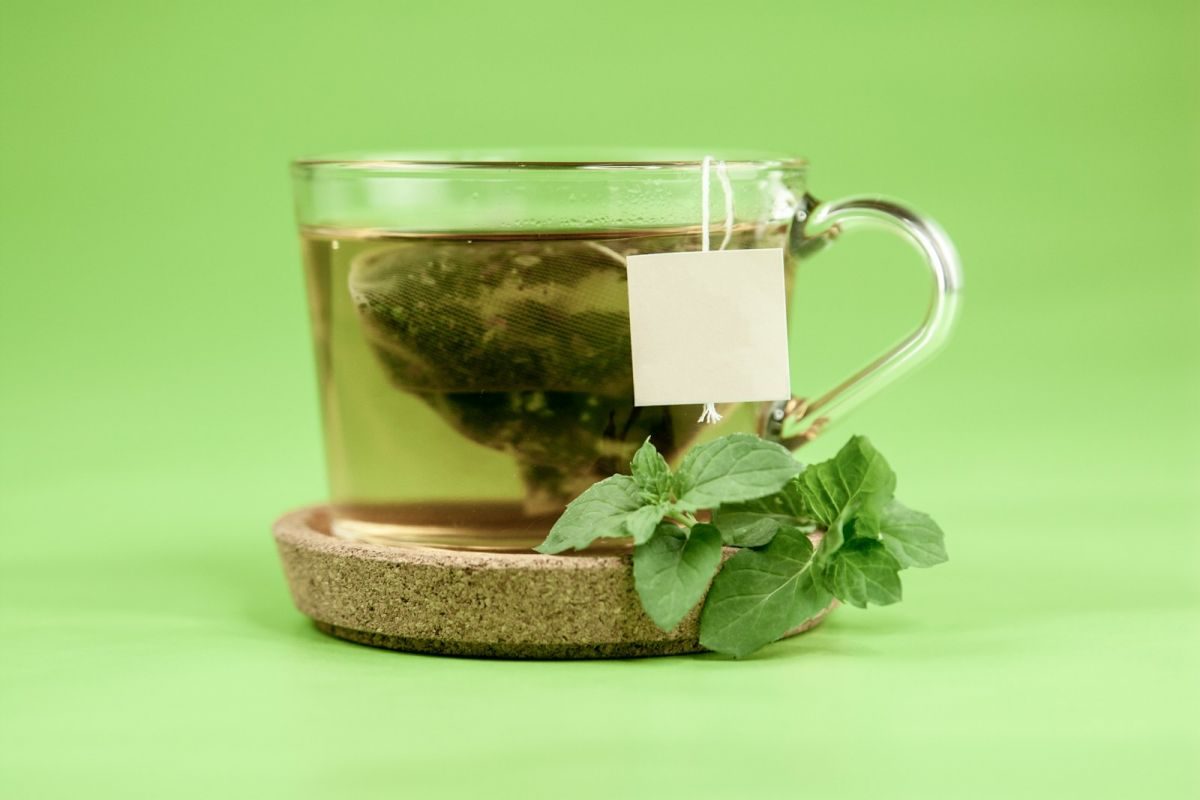

Supporting Bone Strength: Green Tea for Bone Density Support
Maintaining strong, resilient bones is a cornerstone of overall well-being. It’s a continuous process, influenced by various aspects of our lifestyle and nutrition.
Many people explore natural avenues to support their skeletal health. Among these, the humble green tea leaf often sparks interest for its extensive array of plant compounds.
This guide explores the discussions around green tea for bone density support. It delves into the components found in green tea and how they are considered within the broader context of skeletal wellness.
The Historical Perspective: Ancient Wisdom Meets Modern Understanding
Green tea boasts a rich history, deeply intertwined with the cultural and health practices of East Asian societies. For centuries, its consumption has been revered not just as a beverage, but as an integral part of a balanced lifestyle.
Traditional practices often linked regular tea drinking to a sense of internal harmony and vitality. These observations, passed down through generations, laid the groundwork for contemporary scientific inquiry.
Modern understanding now seeks to identify the specific compounds within green tea. Researchers are keen to explore how these natural substances might contribute to various aspects of human health, including the support of bone comfort and strength.
This blend of historical appreciation and detailed scientific examination helps us appreciate green tea’s enduring relevance.
Traditional Use in Eastern Cultures
In many Asian countries, green tea isn’t merely a drink. It forms a daily ritual, steeped in tradition and believed to offer numerous wellness advantages. These cultural practices often emphasize consistent consumption over long periods.
Ancient texts and folk medicine traditions frequently reference tea’s role in promoting general vigor and longevity. Such beliefs suggested a broad spectrum of beneficial effects, even if the specific mechanisms were not then understood.
The daily act of preparing and consuming green tea became a mindful practice. It often served as a moment for reflection, contributing to a sense of calm and overall systemic balance.
This enduring heritage highlights a long-standing human connection with natural botanical sources for health support.
- Context: Centuries of consistent use.
- Cultural Significance: Integral to daily life and wellness practices.
- Historical Application: Believed to support general vitality.
Daily Ritual Integration
Many individuals continue this tradition, integrating green tea seamlessly into their daily routines for a sense of sustained wellness.
Decoding Green Tea’s Bone Health Constituents
Green tea is a botanical powerhouse, containing a complex blend of bioactive compounds. The most widely discussed among these are the catechins, a type of flavonoid.
These catechins, particularly epigallocatechin gallate (EGCG), are often the focus of discussions surrounding green tea’s potential health impacts. Beyond catechins, green tea also contains other flavonoids, amino acids like theanine, and trace minerals.
Each of these components contributes to the overall profile of green tea. Understanding their individual contributions helps to appreciate the plant’s broad support for wellness, including areas of skeletal comfort.
The combined action of these compounds is often considered more impactful than any single isolated element.
| Compound Category | Primary Examples | General Wellness Discussion |
|---|---|---|
| Catechins | Epigallocatechin Gallate (EGCG), Epigallocatechin (EGC), Epicatechin Gallate (ECG), Epicatechin (EC) | Often explored for systemic balance and cellular health. |
| Flavonoids | Quercetin, Kaempferol | Broader support for internal equilibrium and vitality. |
| Amino Acids | L-Theanine | Associated with a sense of calm and mental focus. |
| Minerals | Fluoride, Manganese, Potassium | Contributes to general nutritional support. |
Epigallocatechin Gallate EGCG
EGCG stands out as the most abundant and perhaps the most studied catechin in green tea. It’s a potent plant compound that often attracts scientific attention for its diverse discussions in health research.
The interest in EGCG extends to its potential role in various bodily processes, including those that influence cellular health. Many people interested in botanical support for their bones frequently discuss EGCG.
Discussions around EGCG often touch upon its contribution to maintaining a balanced cellular environment. This balanced state is understood as essential for the ongoing comfort and structural integrity of the skeletal system.
The presence of EGCG is a key reason why green tea garners so much attention in the natural health community.
- Active Compound: Epigallocatechin Gallate (EGCG).
- Primary Focus: Cellular balance and systemic wellness.
- General Discussion Point: Explored for its potential role in skeletal upkeep.
Exploring Intake Methods
Individuals may choose various forms of green tea or its extracts to explore the discussions surrounding EGCG.
Flavonoids and Polyphenols
Beyond EGCG, green tea contains a wider spectrum of flavonoids and polyphenols. These are broad classes of plant compounds, each contributing to the tea’s overall biological activity.
These compounds often work synergistically, meaning their combined effect might be different from the sum of their individual parts. This complex interplay is a characteristic of whole plant foods.
Many discussions surrounding flavonoids and polyphenols relate to their role in supporting general systemic health. This broader support is often considered beneficial for numerous bodily functions, including those that contribute to a sense of bone comfort.
Embracing a diet rich in diverse plant compounds, such as those found in green tea, can be part of a holistic wellness strategy.
- Compound Class: Diverse flavonoids and polyphenols.
- Broad Impact: Supports general systemic health.
- General Wellness Aspect: Contributes to overall internal equilibrium.
Dietary Inclusion Considerations
Incorporating green tea as part of a varied intake of plant-based foods can be a thoughtful approach to wellness.
Theanine and Trace Minerals
Green tea’s composition extends beyond its more famous catechins. It also contains the amino acid L-theanine and several essential trace minerals.
L-theanine is frequently discussed for its unique effect on promoting a sense of calm and focused alertness. This contributes to the overall pleasant experience of drinking green tea, which is often considered relaxing.
Additionally, green tea naturally contains trace amounts of minerals such as manganese, fluoride, and potassium. While not present in large quantities, these minerals are known to play various roles in the body’s general nutritional landscape.
Their presence underscores green tea’s contribution to a balanced nutritional intake, which is always an important consideration for overall health, including skeletal wellness.
- Key Component: L-Theanine.
- Supporting Role: Promotes a sense of calm and focused alertness.
- Overall Wellness Link: Contributes to general nutritional support.
Balanced Nutritional Approaches
Considering green tea within a context of broad and balanced nutrition is a sensible practice for those seeking overall wellness.
How Green Tea May Relate to Bone Wellness
The potential relationship between green tea consumption and bone wellness is a topic of ongoing exploration. Discussions often center on how the compounds in green tea might align with processes that support the body’s general comfort and strength.
It’s understood that many factors contribute to bone health, including diet, lifestyle, and underlying conditions. Green tea is often viewed as one potential component within a comprehensive wellness strategy.
The goal is typically to support a sense of skeletal integrity and contribute to overall systemic balance. This involves looking at the broad impact of green tea’s constituents on the body’s equilibrium.
People with underlying conditions often work with a qualified healthcare professional for personalized guidance. This information is educational and not a substitute for medical advice.
Supporting Cellular Balance
Many botanical compounds, including those in green tea, are often discussed for their roles in supporting cellular balance. This cellular equilibrium is a fundamental aspect of all bodily tissues, including bones.
A balanced cellular environment is often considered conducive to the normal functioning of the body’s systems. Green tea’s catechins, for instance, are frequently mentioned in conversations about maintaining this internal harmony.
Discussions suggest that supporting cellular equilibrium may help the body maintain its inherent capacity for upkeep. This includes processes that contribute to the ongoing comfort and strength of the skeletal system.
Such perspectives emphasize green tea’s role in a broader approach to wellness, rather than a specific intervention.
- Key Aspect: Cellular equilibrium.
- Wellness Connection: Fundamental for tissue comfort.
- General Principle: Supports the body’s inherent upkeep capabilities.
Lifestyle Choices for Balance
Making choices that support cellular balance, such as regular green tea consumption, can be part of a proactive wellness journey.
Lifestyle and Systemic Comfort
Integrating green tea into a regular routine can contribute to a sense of overall systemic comfort. This extends to how people feel about their mobility and skeletal well-being.
Many individuals find that consistent green tea consumption aligns with an active and health-conscious lifestyle. It becomes part of a daily practice that supports general vitality.
The compounds in green tea are often associated with helping people feel more comfortable moving. This feeling of flexibility and ease of movement can greatly enhance daily life.
Ultimately, green tea can complement an active lifestyle, supporting a holistic approach to feeling good from the inside out.
- Broader Category: Holistic lifestyle integration.
- Associated Benefit: Supports a sense of mobility and comfort.
- Wellness Context: Complements an active, health-conscious routine.
Incorporating Daily Habits
Making green tea a regular habit can be a simple way to contribute to a greater sense of well-being and bodily comfort.
Important Considerations for Green Tea Consumption
While exploring green tea for wellness, paying attention to specific details can enhance your experience. Quality, preparation, and integration into your daily life are all factors to consider.
The market offers a wide variety of green teas, and not all are created equal. Understanding what to look for can help you make informed choices.
Furthermore, how you prepare your tea can significantly influence the compounds you receive. Proper brewing techniques are essential for maximizing the beneficial properties.
Thoughtful consumption ensures you receive the most from this ancient beverage. This mindful approach extends to how and when you incorporate it into your routine.
Quality and Sourcing
The quality of your green tea leaves can vary significantly. Factors like the origin of the tea, its growing conditions, and processing methods all play a role in the final product.
Opting for high-quality, often organically grown green tea leaves helps minimize exposure to unwanted substances. It also typically ensures a richer concentration of desirable compounds.
Reputable sources often provide information about their tea’s cultivation and harvesting practices. This transparency allows you to make more informed decisions about what you consume.
A superior tea provides not only a more pleasant sensory experience but also a greater potential for supporting your wellness goals.
- Key Factor: Origin and cultivation.
- Desired Outcome: Richer compound concentration and purity.
- Practical Tip: Seek reputable, transparent sources.
Selecting Quality Tea
Choose green tea from trusted suppliers who prioritize sustainable and clean farming practices.
Preparation and Infusion
The way you prepare your green tea can profoundly affect the extraction of its beneficial compounds. Water temperature and steeping time are particularly critical.
Using water that is too hot can sometimes degrade certain delicate compounds. Conversely, water that is too cool might not extract enough of the desired elements.
A general guideline suggests using water that is below boiling, typically around 175-185°F (80-85°C). Steeping times usually range from one to three minutes, depending on the tea type and desired strength.
Experimenting with these variables allows you to find the perfect balance for both taste and the extraction of green tea’s valuable constituents.
- Method Aspect: Water temperature and steeping time.
- Goal: Optimal extraction of compounds without degradation.
- Recommended Practice: Below boiling water, 1-3 minute steep.
Brewing for Best Results
Mastering the art of brewing ensures you unlock the full spectrum of green tea’s contributions to your wellness.
Timing and Integration
Integrating green tea into your daily routine involves more than just brewing it; it’s about mindful consumption. The timing of your tea breaks can enhance your experience.
Many people prefer to enjoy green tea in the morning or early afternoon. This timing often aligns with moments when a sense of gentle alertness and focus is desired.
Some individuals find it beneficial to consume green tea between meals. This approach avoids potential interactions with nutrient absorption from food, although this varies widely by individual.
Listen to your body and adjust your consumption patterns to fit your lifestyle and preferences. Consistency is often more important than precise timing for long-term integration.
- Lifestyle Element: Daily routine integration.
- General Approach: Morning or early afternoon consumption.
- Personalized Consideration: Adjust to individual preferences and body responses.
Daily Consumption Guidance
Find a consistent time each day to enjoy your green tea, making it a mindful part of your wellness practice.
Frequently Asked Questions
Can green tea replace other sources of bone support?
Green tea should not be considered a replacement for a balanced diet rich in essential nutrients like calcium and vitamin D. It’s often viewed as a complementary component within a comprehensive wellness plan. People with underlying conditions often work with a qualified healthcare professional for personalized guidance.
How much green tea is generally suggested for daily wellness?
There isn’t a universally prescribed amount. Many individuals integrate one to three cups of green tea into their daily routine. It’s important to observe how your body responds and adjust accordingly, as individual tolerance can vary.
Are there different types of green tea better for bone wellness discussions?
While all green teas contain catechins, some varieties like matcha (powdered green tea) offer a higher concentration due to consuming the whole leaf. The choice often comes down to personal preference and how readily available these specific forms are. This information is educational and not a substitute for medical advice.
Can green tea be consumed alongside other natural health practices?
Yes, green tea often fits well within a broader natural health approach that includes a nutritious diet, regular movement, and other wellness-supporting habits. It’s considered a beneficial addition to an already health-conscious lifestyle.
The Bottom Line
Green tea, with its rich history and complex profile of bioactive compounds, holds a respected place in the pursuit of natural wellness. Its catechins, flavonoids, and other constituents are frequently discussed in the context of supporting overall systemic balance and cellular health, which includes a sense of skeletal strength.
While green tea offers a compelling array of plant-derived compounds, it’s most effectively viewed as one element within a comprehensive approach to health. It can complement a lifestyle focused on balanced nutrition, regular movement, and other supportive practices.
This information is educational and not a substitute for medical advice. People with underlying conditions often work with a qualified healthcare professional for personalized guidance.
Explore the quality and preparation of green tea for yourself, integrating it thoughtfully into your daily wellness routine.
Get Your FREE Natural Health Guide!
Subscribe now and receive our exclusive ebook packed with natural health tips, practical wellness advice, and easy lifestyle changes, delivered straight to your inbox.