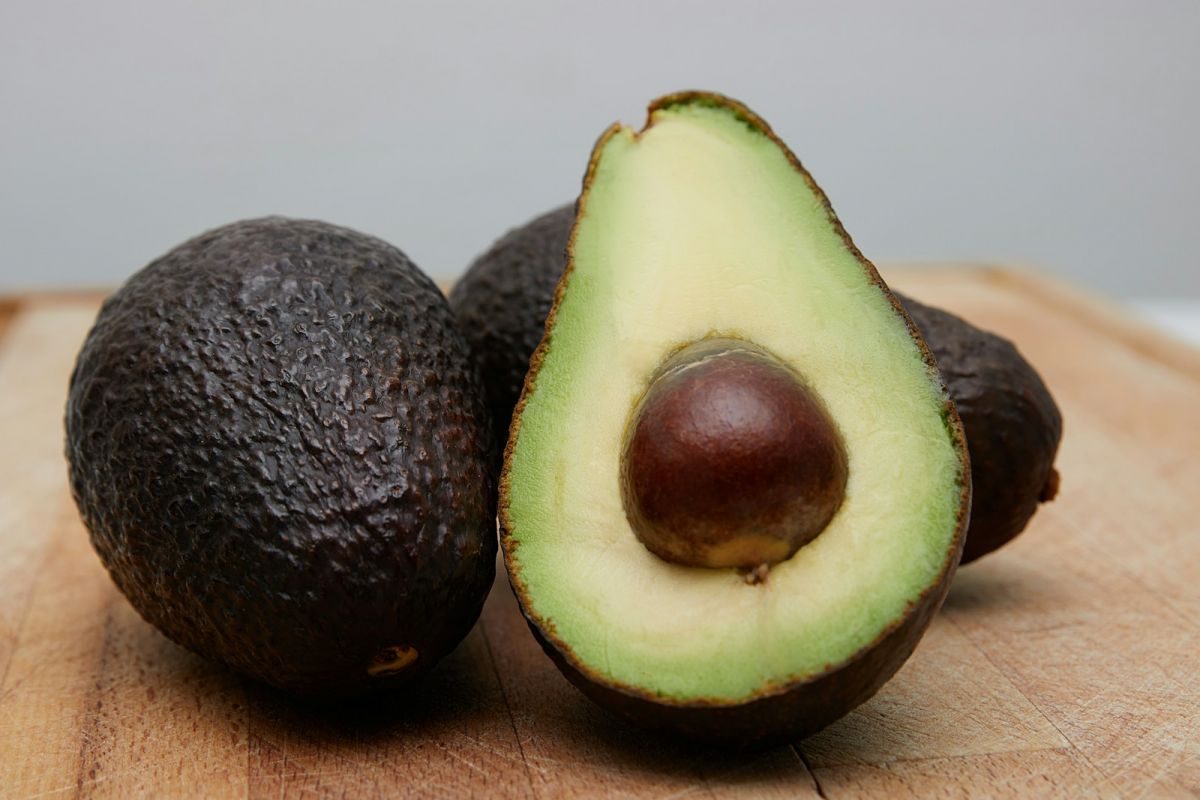

Fueling Muscle Function: The Essential Role of Avocado for Muscle Potassium
Avocados offer more than just a creamy texture and pleasant flavor. They stand as a significant source of a crucial electrolyte: potassium. For anyone leading an active life, understanding how dietary choices influence the body’s internal balance becomes paramount.
Potassium plays a fundamental part in numerous physiological processes. Its presence is especially critical for muscle contraction and nerve signal transmission. Incorporating potassium rich foods, like avocado, into your daily intake helps maintain this delicate balance.
This guide delves into how avocado for muscle potassium can support your active lifestyle. You will learn about potassium’s mechanisms in the body, why avocados are a superior choice, and how to effectively integrate this fruit into your diet.
Potassium: An Electrolyte Powerhouse for Active Bodies
Potassium is one of the body’s primary electrolytes. These minerals carry an electrical charge when dissolved in body fluids, making them vital for electrical impulses throughout the body. Maintaining proper potassium levels is critical for feeling your best.
It works in concert with other electrolytes to sustain fluid balance within cells. This cellular hydration is not just about thirst; it impacts every cell function. Active individuals, particularly those who perspire regularly, have an elevated need to replenish electrolytes.
Potassium also plays a significant part in nerve signal transmission. Nerves communicate through electrical impulses, and potassium helps facilitate these rapid exchanges. This process is essential for everything from conscious movement to involuntary organ functions.
- Key Role: Supports fluid balance and nerve function.
- Bodily Impact: Helps facilitate muscle contractions.
- Dietary Need: Essential mineral required from food sources.
Integrating Potassium into Your Diet
People often explore various dietary choices to ensure a consistent intake of this important mineral.
Avocado: A Nutrient Dense Contributor to Potassium Intake
Avocados deliver a substantial amount of potassium, often exceeding that found in a medium banana. This makes them an excellent dietary inclusion for those focused on their electrolyte intake. A single avocado can provide a notable percentage of an individual’s daily potassium needs.
Beyond potassium, avocados contain a wealth of other beneficial nutrients. They are rich in monounsaturated fats, which are often discussed in the context of general wellness. These fats also contribute to the fruit’s creamy consistency.
This fruit also supplies dietary fiber, which supports digestive health. A healthy digestive system is a foundational element of overall wellness, influencing nutrient absorption and regularity. The combination of nutrients in avocado makes it a truly unique food.
- Primary Nutrient: High in potassium.
- Additional Benefits: Rich in monounsaturated fats and dietary fiber.
- Nutrient Density: Supplies essential vitamins and minerals.
Strategic Dietary Inclusion
Consider incorporating avocado regularly into meals to support overall nutrient goals.
The Symbiotic Relationship: Avocado, Potassium, and Muscle Support
For individuals engaged in regular physical activity, maintaining adequate potassium levels is more than just a general health recommendation. It directly influences how muscles perform and feel. Potassium contributes to the electrical gradients across muscle cell membranes.
These electrical gradients are the driving force behind muscle contractions. Without sufficient potassium, these signals can become less efficient. This highlights why dietary sources like avocado are so important for an active lifestyle.
Furthermore, potassium contributes to maintaining cellular fluid balance. Proper hydration within muscle cells is essential for them to function effectively and feel comfortable during movement. Dehydration can affect muscle comfort and overall sensation.
- Muscle Function: Supports the electrical signals for muscle contraction.
- Cellular Health: Helps maintain fluid balance within muscle cells.
- Active Lifestyle: Crucial for those engaged in regular physical exertion.
Enhancing Active Lifestyles
Active people frequently incorporate potassium rich foods into their diet to support their wellness routines.
Beyond Potassium: Comprehensive Wellness from Avocado
While potassium is a key highlight, the avocado offers a broader spectrum of benefits that support an active body. Its healthy fats contribute to feelings of satiety, which can be useful for managing hunger. These fats also support the absorption of fat soluble vitamins.
The fiber content in avocados is another significant advantage. Dietary fiber is essential for digestive regularity and overall gut health. A well functioning digestive system ensures the body can process and utilize other nutrients effectively.
Avocados also contain various antioxidants, including carotenoids and tocopherols. These compounds are widely discussed for their role in supporting cellular health. Consuming a diet rich in diverse plant foods contributes to overall wellness.
- Satiety: Healthy fats help contribute to feelings of fullness.
- Nutrient Absorption: Aids in the uptake of fat soluble vitamins.
- Digestive Health: Fiber supports a healthy gut environment.
- Antioxidant Support: Contains compounds that support cellular wellness.
Daily Nutritional Enhancement
Adding avocado to meals offers a simple way to increase intake of various beneficial nutrients.
Integrating Avocado into Your Daily Routine
Incorporating avocado into your diet is simple and versatile. There are many creative ways to enjoy its benefits, whether as part of a meal or a snack. Its creamy texture makes it a great addition to many dishes.
Consider adding sliced or mashed avocado to your morning eggs or toast. It can also elevate the nutrient profile of your smoothies, providing healthy fats and a smooth consistency. Guacamole, prepared with fresh ingredients, is another popular way to enjoy it.
For lunch or dinner, avocado makes an excellent addition to salads, sandwiches, or wraps. It pairs well with lean proteins and a variety of vegetables. Get creative and find what works best for your taste and lifestyle.
| Avocado Nutrient Profile (approx. per 100g) | Value | Wellness Contribution |
|---|---|---|
| Potassium | 485 mg | Supports muscle function and fluid balance |
| Monounsaturated Fat | 9.8 g | Contributes to feelings of satiety |
| Dietary Fiber | 6.7 g | Aids digestive regularity |
| Vitamin K | 21 mcg | Present in various cellular processes |
| Folate | 81 mcg | Supports cellular health |
Data sourced from USDA FoodData Central. Individual values may vary.
Meal Planning Incorporations
Experiment with different preparations to consistently include avocado in your weekly meal plans.
Frequently Asked Questions
Does avocado help with muscle cramps?
Potassium contributes to muscle function and fluid balance. People often explore potassium rich foods, like avocado, as part of a balanced diet to support overall muscle comfort. This information is educational and not a substitute for medical advice.
How much avocado should I eat for potassium?
A single medium avocado provides a significant amount of potassium. The optimal amount for any individual can vary based on their dietary needs and activity level. People often work with a qualified healthcare professional for personalized guidance regarding their nutritional intake.
Can I eat avocado every day?
Avocados are a nutrient dense food that can be enjoyed daily as part of a balanced diet. Their healthy fats, fiber, and various vitamins and minerals make them a valuable addition to many meal plans. Balance with other foods remains key.
The Bottom Line
Avocado stands out as an exceptionally beneficial food for active individuals, largely due to its rich potassium content. This essential electrolyte plays a foundational role in muscle function, nerve signals, and maintaining critical fluid balance within the body. Beyond potassium, avocados deliver healthy fats, fiber, and other valuable nutrients that contribute to overall wellness.
Embrace avocado in your diet to support your active lifestyle. Incorporate it into your meals consistently. Research from the USDA Agricultural Research Service highlights its nutrient density.
Get Your FREE Natural Health Guide!
Subscribe now and receive our exclusive ebook packed with natural health tips, practical wellness advice, and easy lifestyle changes, delivered straight to your inbox.