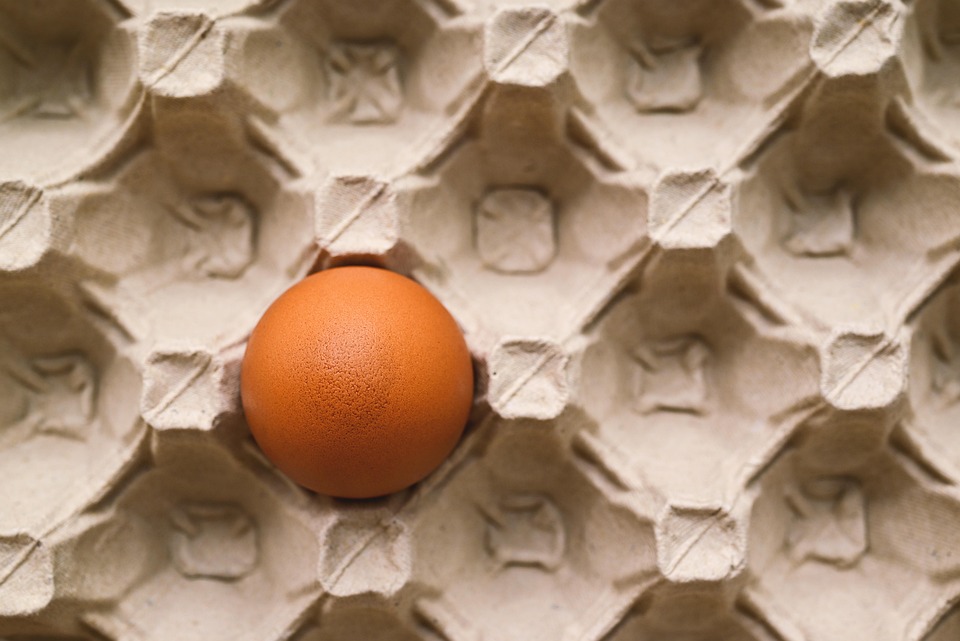

Revitalizing hair health can often feel like a daunting task. Many individuals struggle with various hair issues, ranging from dryness and brittleness to excessive hair loss. These problems can stem from a variety of factors, including environmental stressors, dietary deficiencies, and chemical treatments. A common yet effective solution lies in the realm of natural remedies, specifically the use of an egg mask, which provides a rich source of protein essential for hair vitality.
The egg, a staple in many kitchens, is not just a nutritious food item. It is loaded with proteins and essential nutrients that can significantly benefit hair health. Protein is vital for repairing and strengthening hair strands, making them less prone to breakage. When applied as a mask, the egg acts as a natural conditioner, leaving hair looking shinier and feeling softer. This guide will delve into the specifics of using an egg mask to revitalize your hair, exploring its practical applications, common mistakes, scientific mechanisms, and more.
Understanding how to incorporate an egg mask into your hair care routine can transform your hair from dull and lifeless to vibrant and healthy. This guide aims to equip you with the knowledge necessary to harness the power of this simple yet effective treatment. Whether you are looking to restore damaged hair or maintain healthy locks, the egg mask can serve as a versatile tool in your hair care arsenal.
With consistent use, you may notice improvements in hair texture, strength, and overall appearance. Let’s explore the practical application of this protein-rich treatment and how to maximize its benefits.
Contents
How to Use an Egg Mask for Real Results
- Best Form: Whole egg or egg yolk.
- Best Time: Once a week.
- Expected Result: Stronger, shinier hair with reduced breakage.
For Daily Protection
The Prep: Gather two eggs, a tablespoon of olive oil, and a tablespoon of honey. Olive oil provides moisture while honey adds shine. Ensure you have a mixing bowl, a whisk, and a shower cap ready.
The Action: Crack the eggs into a bowl and whisk them until well combined. Add olive oil and honey, mixing thoroughly to create a smooth paste. Apply the mixture to dry or slightly damp hair, focusing on the ends. Once applied, cover your hair with a shower cap to retain heat. Leave it on for 30 minutes before rinsing with lukewarm water and a mild shampoo.
The Feeling: As the mask sits, you may feel a warming sensation from the heat retained by the shower cap. This encourages better penetration of the nutrients into your hair. After rinsing, your hair will feel softer and more manageable.
Pro Tip: For added benefits, consider using organic eggs, as they contain higher nutrient levels compared to conventional eggs.
For Repairing Damage
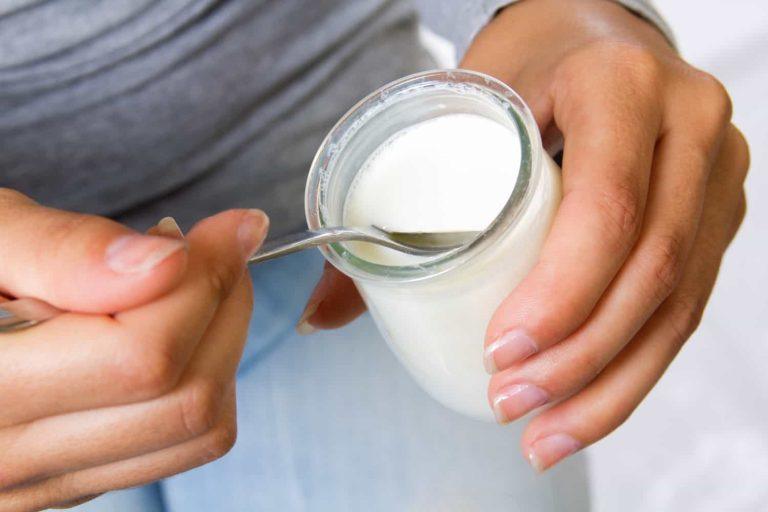
The Prep: You will need two egg yolks, one tablespoon of coconut oil, and one tablespoon of yogurt for this nourishing mask. Coconut oil is known for its deep conditioning properties, while yogurt helps with scalp health.
The Action: Combine the egg yolks, coconut oil, and yogurt in a bowl. Mix until it forms a creamy consistency. Apply the mixture to your hair, ensuring even distribution from roots to ends. After application, wrap your hair in a warm towel for 20 to 30 minutes. Rinse thoroughly with cool water to seal in moisture.
The Feeling: The warmth of the towel will enhance the mask’s effectiveness. You may notice a nourishing, moisturizing sensation as the mask works to repair your hair. Post-rinse, your hair will appear glossier and feel more resilient.
Pro Tip: Use this mask once a week to help combat the effects of heat styling and environmental stressors.
For Enhancing Shine
The Prep: Prepare one egg, two tablespoons of apple cider vinegar, and a tablespoon of honey. Apple cider vinegar helps to balance the scalp’s pH and adds shine.
The Action: In a bowl, mix the egg, apple cider vinegar, and honey until well combined. Apply the mixture to your hair, concentrating on the mid-lengths to the ends. Allow it to sit for 15 to 20 minutes before rinsing with cool water and a gentle shampoo.
The Feeling: Expect a refreshing sensation from the apple cider vinegar. This mask can leave your hair feeling light and bouncy. After rinsing, your hair will exhibit a noticeable shine.
Pro Tip: Follow up with a conditioner to lock in moisture and enhance shine further.
Common Errors to Avoid
Using Eggs That Are Not Fresh
Using stale eggs can diminish the effectiveness of your hair mask. Fresh eggs contain the highest levels of nutrients and proteins essential for hair health. Stale eggs may also have an unpleasant odor that could linger in your hair. Always check the expiration date and perform a sniff test before use to ensure freshness.
Another common mistake is assuming that all parts of the egg are equally beneficial. Egg whites are high in protein but can be drying on the hair. It is often better to use whole eggs or just the yolk for added moisture.
Overusing the Mask
Using an egg mask too frequently can lead to protein overload, which may result in hair that feels stiff or brittle. It is advisable to limit the use of an egg mask to once a week. This frequency allows your hair to absorb the nutrients without becoming overwhelmed.
Also, be cautious about the amount of egg used. A small amount is usually sufficient to cover your hair, and using too much can lead to a sticky residue that is hard to wash out.
Neglecting Rinse Temperature
The temperature of the water used for rinsing can significantly impact the results of your egg mask. Rinsing with hot water can cause the egg to cook in your hair, making it difficult to wash out and potentially leaving a residue. Always rinse with cool or lukewarm water to ensure easy removal and to close the hair cuticles for added shine.
Another mistake is skipping the shampoo after using an egg mask. A gentle shampoo will help remove any lingering egg residue. Failing to do so may leave your hair feeling greasy or weighed down.
The Mechanism Behind the Mask
The application of an egg mask leverages the biological properties of proteins found in eggs. Hair is primarily composed of a protein called keratin. By applying egg proteins directly to the hair, you provide the necessary building blocks for repairing damaged strands. This treatment helps to strengthen hair and improve its overall structure.
The key compound in eggs is biotin, a B-vitamin that plays a crucial role in hair health. Biotin deficiency can lead to brittle hair and hair loss. Regular use of an egg mask can help to supplement biotin levels in the hair shaft, promoting growth and reducing breakage.
Clinical studies have shown that protein treatments can significantly improve hair strength and elasticity. For a deeper dive into the benefits of protein for hair health, refer to this PubMed search.
Choosing the Right Product
– **Potency:** Higher protein content in egg masks will deliver better results. Look for products that specify the protein levels for optimal hair repair.
-
Purity: Choose masks that contain natural ingredients without harmful chemicals. This ensures that you are not exposing your hair to unnecessary toxins.
-
Form: Liquid egg masks are often easier to apply compared to powder forms. Liquid masks also tend to blend better with other ingredients, enhancing their effectiveness.
Benefits vs Risks
| The Benefits | Potential Downsides |
|---|---|
| Rich in protein, promoting stronger hair | Risk of protein overload if used too frequently |
| Improves shine and texture | Can leave a residue if not rinsed properly |
| Natural and cost-effective solution | Potential for allergic reactions in sensitive individuals |
Habits to Enhance Results
Incorporating a balanced diet rich in vitamins and minerals can amplify the benefits of your egg mask. Foods high in omega-3 fatty acids, such as fish and flaxseeds, contribute to healthier hair growth.
Regularly drinking water also plays a crucial role in maintaining hair hydration. Staying hydrated helps to keep hair follicles nourished, further complementing the effects of your egg mask treatment.
Who Should Avoid This?
– Individuals with egg allergies or sensitivities.
– Those with extremely oily hair may find egg masks too heavy.
– People suffering from scalp conditions like eczema or psoriasis should consult a healthcare provider before use.
Common Questions
How often should I use an egg mask?
Using an egg mask once a week is generally sufficient to reap its benefits without risking protein overload.
Can I use only egg whites?
While egg whites are high in protein, they may also be drying. For most hair types, using the whole egg or just the yolk is preferable.
Will the smell linger after rinsing?
If rinsed properly with cool water and shampoo, any egg smell should dissipate.
Can I use an egg mask on colored hair?
Yes, but be cautious with the frequency, as protein treatments can sometimes affect color-treated hair.
The Bottom Line
An egg mask can be a powerful ally in your quest for healthy hair.
- The Truth: While effective, results may vary based on individual hair types.
- The Strategy: Use it once a week for optimal benefits.
- The Next Step: Incorporate a diet rich in hair-friendly nutrients.
Get Your FREE Natural Health Guide!
Subscribe now and receive our exclusive ebook packed with natural health tips, practical wellness advice, and easy lifestyle changes, delivered straight to your inbox.