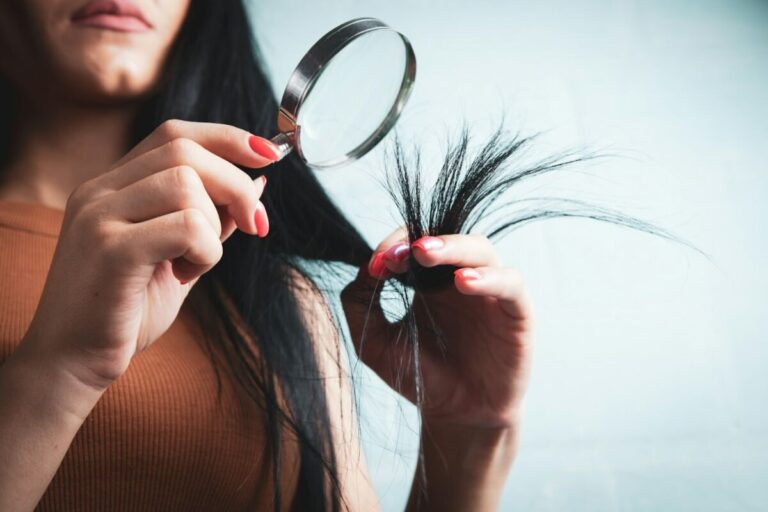
Nourish Your Locks with a Yogurt Mask for Hair Moisture
Many individuals seek simple, home-based methods to address dryness in their strands. Hair often loses its natural luster due to environmental factors, heat styling, or chemical processing. A common, accessible approach involves using dairy-based components to provide hydration to the hair shaft.
The application of fermented milk products to the scalp and hair has become a popular trend among natural wellness enthusiasts. These substances contain proteins and fats that may coat the cuticle, potentially smoothing the hair surface. Consistency remains a core factor for those observing changes in texture.
Nourish Your Locks with a Yogurt Mask for Hair Moisture by applying a thin layer of plain, unsweetened dairy to clean, damp hair and letting it sit for twenty minutes. This practice utilizes lactic acid and fats to provide temporary softness and hydration to the outer layers of the hair strand. Rinse the mixture away with cool water to avoid coagulation from warm temperatures.
Key Takeaways
- Plain yogurt contains approximately 3.5 percent to 10 percent fat depending on the specific variety chosen.
- The pH level of standard dairy products often falls between 4.0 and 4.5, which aligns with the natural acidity of the human scalp.
- Regular conditioning practices can help maintain moisture levels, as noted by research from the National Institutes of Health regarding hair surface integrity.
Understanding The Science Behind Fermented Dairy
Fermented milk items possess unique chemical properties that interact with keratin. Keratin serves as the primary structural protein in every hair strand. When the outer layer of the hair, known as the cuticle, lifts, the hair appears dull and feels brittle.
Lactic acid acts as a gentle humectant in this context. Humectants draw water molecules from the air toward the hair shaft. This helps maintain a level of internal hydration that prevents simple breakage.
The lipid content in high-fat dairy also serves a protective function. These fats create a physical barrier that traps moisture inside. This barrier mimics the natural oils the scalp produces on its own.
Essential Application Steps For Optimal Results
Proper preparation ensures the mixture reaches the hair cuticle without causing unnecessary mess. Start with freshly washed hair to remove excess product buildup. Damp hair allows the nutrients to absorb more efficiently than bone-dry hair.
- Select plain ingredients to avoid adding sugars or artificial dyes that may irritate the scalp.
- Distribute the mixture evenly from the mid-lengths down to the ends where dryness usually accumulates.
- Cover your head with a warm towel or a shower cap for twenty minutes to retain natural body heat.
- Rinse with cool water to prevent the protein from clumping during the removal process.
Comparing Hair Hydration Methods
| Method | Primary Benefit | Frequency |
| Yogurt Mask | Gentle Smoothing | Weekly |
| Argan Oil | Lipid Sealing | Daily |
| Aloe Vera | Water Retention | Biweekly |
Nutritional Considerations For Hair Health
External care provides temporary surface benefits, but internal nutrition supports the base of the follicle. Data from the National Library of Medicine highlights the role of various nutrients in the growth process. Protein intake remains vital because hair consists primarily of keratin.
Biotin and other B-vitamins play roles in the development of healthy cells. A balanced diet prevents the thinning that occurs when the body lacks specific micronutrients. Relying on whole foods provides the necessary building blocks for strong hair growth.
Hydration also originates from systemic water intake throughout the day. Dehydration affects every tissue in the body, including the scalp. Focus on consistent hydration to support overall hair vitality.
Factors Influencing Hair Moisture Levels
Environmental conditions frequently impact the state of the hair. Low humidity levels in winter months draw moisture away from the strands. Excessive sun exposure can degrade the protein bonds within the hair structure.
Heat styling tools contribute to moisture loss over time. High temperatures force the evaporation of internal water stores in the hair fiber. Limiting heat exposure helps preserve the natural integrity of the strands.
Chemical services, including coloring or perms, alter the porosity of the hair. Increased porosity means the hair struggles to hold onto moisture. Using mild, pH-balanced cleansers supports the natural protective mantle of the hair.
Addressing Common Scalp Concerns
A healthy scalp environment is necessary for healthy hair. Some individuals experience dryness or flakiness due to a lack of oil production. Topical applications like fermented dairy may soothe this localized irritation.
It is important to distinguish between simple dryness and other conditions. Guidance from the Centers for Disease Control notes that fungal issues can sometimes manifest as scalp discomfort. If itching or redness persists, it is vital to consult a professional.
Avoid applying heavy oils or thick dairy products if you have a naturally oily scalp. This may lead to pore blockage. Observe how your hair reacts after a single application to determine the frequency that works for you.
Frequently Asked Questions
How often should one apply a dairy-based hair mask?
Most individuals find that a weekly application provides sufficient benefits without causing excessive buildup. Overuse may lead to a protein-heavy environment that causes the hair to feel stiff or brittle.
Monitor your hair response closely after the first few sessions. If your strands feel soft and manageable, maintain the current schedule. If you notice a change in texture, reduce the frequency to biweekly.
Can this mask replace standard store-bought conditioners?
While home-based applications provide hydration, they often lack the detangling agents found in commercial products. These specialized ingredients help reduce friction during brushing and combing.
Many users combine these methods by using a natural mask for deep conditioning and a standard product for routine detangling. This approach ensures you get both the moisture benefits and the functional support of professional formulations.
Does the fat content of the yogurt impact the result?
The fat content influences the level of conditioning provided to the hair. Higher fat varieties offer more significant lipid deposits, which act as a sealant for dry or coarse hair types.
Individuals with very fine hair might prefer lower fat options to avoid weighing the hair down. Adjust the fat content based on your specific hair texture and porosity to achieve the desired result.
What happens if the mask is left on for too long?
Leaving any moisture-based mask on for extended periods beyond the recommended duration is generally unnecessary. The hair can only absorb a specific amount of moisture before the cuticle reaches saturation.
Extended exposure may also make the removal process more difficult. The dairy could start to dry, making it harder to rinse away effectively. Stick to the suggested twenty-minute window for the best results.
Is this practice safe for color-treated hair?
Most plain, fermented milk products have a mild pH and do not typically strip hair color. However, ingredients with added fruits or acids could potentially affect certain types of dyes.
Always stick to plain, unflavored varieties to minimize interaction with hair pigment. If you have concerns, perform a small test on a hidden strand of hair before covering your entire head.
The Bottom Line
Using a yogurt mask for hair moisture is a simple, cost-effective way to supplement your hair care routine. By focusing on the hydrating and smoothing properties of dairy fats, you can support healthier-looking strands through natural means.
Never stop or change any medication without consulting the provider who recommended it. This advice is for educational purposes and is not for those with severe scalp conditions. Consult a licensed healthcare provider before starting any new wellness routine.
Get Your FREE Natural Health Guide!
Subscribe now and receive our exclusive ebook packed with natural health tips, practical wellness advice, and easy lifestyle changes, delivered straight to your inbox.