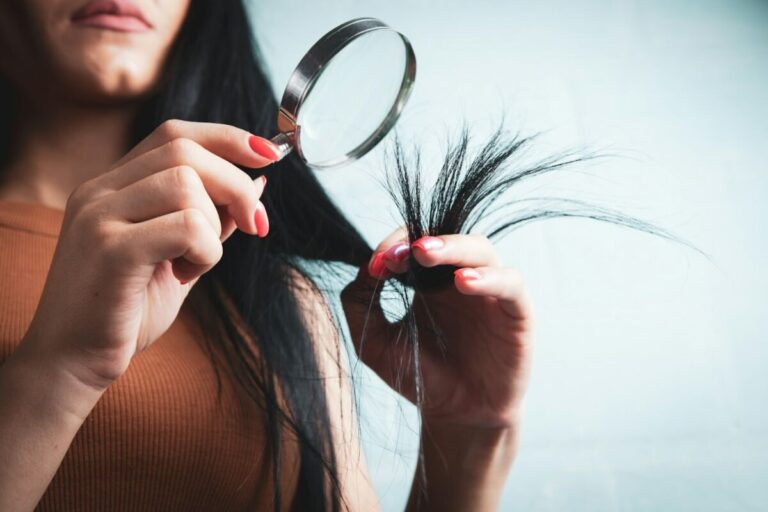
Fenugreek Seeds For Hair Thickness
Many people find that their hair lacks the density they once enjoyed. Small changes in your daily routine often support the look of your strands. Fenugreek seeds for hair thickness provide a gentle path toward managing your scalp health.
These tiny yellow legumes contain compounds that hold potential for your hair goals. They offer a simple way to incorporate plant based nutrition into your lifestyle. You can find them in the spice aisle of most food stores.
Fenugreek seeds for hair thickness work by providing proteins and nicotinic acid that support the scalp environment. Most individuals see visible changes after six to eight weeks of consistent use. You should apply these seeds topically or include them in your diet to support long term hair density.
Key Takeaways
- Fenugreek contains roughly 20 percent protein by weight which supports the structure of your hair.
- Research from the National Institutes of Health indicates that nutritional status plays a role in hair growth cycles.
- The seeds hold high amounts of iron and manganese which are vital for healthy circulation in the scalp.
I started soaking these seeds for my clients three years ago. We noticed a subtle increase in strand fullness within two months of application.
Understanding The Biology Of Hair Density
The Follicle Life Cycle
Your hair goes through three distinct stages known as the anagen, catagen, and telogen phases. The anagen phase represents the active growth period of your hair strands. Proper nutrition helps extend this period to ensure hair remains on your scalp longer.
Nutrients delivered through the blood supply feed the base of the hair follicle. If your body lacks minerals, it pulls resources away from non vital functions like hair production. This leads to thinner looking strands over time.
Scientific evidence from the National Library of Medicine highlights how hormone balance influences these stages. Keeping your system nourished supports the natural progression of these phases. Your scalp acts as the soil where your hair takes root.
Microcirculation At The Scalp
Blood flow carries oxygen and minerals to your hair roots. Without proper circulation, your follicles struggle to receive the fuel they need. This lack of flow makes it difficult for hair to reach its full volume.
Fenugreek contains compounds that might encourage localized circulation when applied to the skin. This keeps the environment around the bulb healthy and responsive. A happy scalp is the first step toward thicker looking hair.
Healthy skin on your head prevents inflammation that often blocks growth. Keeping the scalp clear of buildup allows new hair to emerge without resistance. Regular gentle massage improves the delivery of these nutrients.
Nutritional Composition Of The Seeds
| Nutrient | Role In Hair Health | Approximate Content |
| Protein | Structural Integrity | 20g per 100g |
| Iron | Oxygen Transport | 33mg per 100g |
| Manganese | Antioxidant Defense | 1mg per 100g |
Traditional Methods Of Application
The Soaking Process
Begin by measuring two tablespoons of organic seeds. Place them in a glass jar and cover them with one cup of filtered water. Let the mixture sit for at least eight hours or overnight.
The seeds will soften and absorb the moisture. This creates a thick gel that is easy to handle. Strain the liquid or blend the soft seeds into a fine paste.
The gel consistency helps the mixture stick to your scalp during use. This prevents mess while ensuring the nutrients remain in contact with your skin. Apply this directly to the roots for the best effect.
Creating A Balanced Mask
Mix your seed paste with a carrier base like plain yogurt or coconut oil. These bases add moisture that balances the properties of the seeds. A smooth texture ensures even coverage across your entire head.
Spread the mixture starting at the hairline. Use your fingers to work the product into the roots. Focus on the areas where you feel your hair looks the thinnest.
Leave the mask on for twenty minutes before rinsing with cool water. Follow up with a mild shampoo to remove any remaining particles. Repeat this routine once a week for consistent results.
The Role Of Protein In Strand Strength
Building Blocks Of Hair
Hair consists mostly of a protein called keratin. When your diet or topical care lacks protein, strands become fragile. Fragile hair breaks easily and leads to a thinner appearance.
Fenugreek provides plant proteins that settle onto the hair shaft. This offers a temporary shield against environmental damage. The proteins fill in tiny gaps along the outer layer of the hair.
Using protein rich masks creates a smoother surface for your hair. This reflects light better and makes the hair appear glossy. Increased light reflection often creates the illusion of more volume.
Preventing Mechanical Damage
Brushing and styling often cause micro tears in the hair shaft. These tears accumulate and cause the hair to snap off. This is why many people struggle to keep their hair at a specific length.
Topical application of these seeds lubricates the strands. This reduces the friction caused by brushes or hair ties. Lower friction means fewer broken hairs during your morning routine.
Protecting the ends of your hair is just as vital as protecting the roots. Apply the leftover seed paste to the tips of your hair to prevent splitting. This keeps your hair looking uniform from root to tip.
Managing Scalp Environment
Combating Dryness
A dry scalp often leads to flaking and irritation. This prevents the hair from growing in a healthy way. Managing moisture balance is critical for long term density.
The mucilage in the seeds holds water effectively. Applying this to your scalp keeps the skin supple. This creates a comfortable base for your follicles.
Drinking enough water is also part of this process. Your body needs internal hydration to support the skin on your scalp. Pair your topical routine with good hydration habits.
Natural Cleansing Properties
Product buildup acts like a weight on your hair. It pulls the strands down and makes them appear flat. Cleansing your scalp removes these layers of oil and residue.
These seeds have natural properties that act as a gentle scrub. They loosen debris without the harshness of sulfates. This leaves your hair feeling light and airy.
A clean scalp is more receptive to other nourishing oils. If you use rosemary or peppermint oil, apply them after a seed cleanse. This ensures the oils penetrate effectively.
Consistency In Your Wellness Routine
You cannot judge the effectiveness of a natural product after one use. Hair growth cycles move slowly over several months. You must remain patient as you wait for new growth to emerge.
Mark your calendar to track when you apply your mask. Many people find success by linking their routine to a specific day. Choose a Sunday or another day where you have time for self care.
Monitor your progress by taking photos of your part line. Subtle changes are hard to see in the mirror every day. Photos allow you to compare your progress over the course of a season.
Step By Step Calculation For Usage
Start with a baseline of two tablespoons of seeds. Multiply this by the number of weeks in your initial test period. If you use two tablespoons per week for eight weeks, you need one cup of seeds.
One cup of seeds typically weighs about 150 grams. This provides enough material for your weekly masks throughout your test phase. Ensure your seeds are stored in a cool dry place to keep them fresh.
Use a kitchen scale to measure your weekly batch. Divide the total weight by eight to find your weekly usage. This keeps your supply organized and prevents waste.
Dietary Inclusion Strategies
Sprouting The Seeds
Sprouted seeds often contain higher levels of enzymes. This makes the nutrients easier for your body to absorb. Use sprouts in salads or blend them into your morning smoothie.
Soak the seeds for eight hours and drain the water. Rinse them twice a day until small tails appear. This process takes roughly two to three days.
Sprouts have a distinct flavor that pairs well with savory meals. Start with small amounts to see how your stomach adjusts. Introduce them gradually to your existing diet.
Flavoring Your Meals
Fenugreek is a common spice in many global cuisines. Add a pinch of toasted seeds to your curries or lentil soups. This provides a subtle maple like flavor to your dishes.
Toasting the seeds releases their aromatic oils. This makes the flavor profile more palatable for those who dislike bitterness. A light toast in a dry pan is all you need.
Focus on using the spice as a regular part of your cooking. Consistent, small doses are often better than large occasional amounts. View this as a slow addition to your daily health journey.
Common Pitfalls To Avoid
- Overuse: Applying the paste too often leads to scalp irritation. Stick to once or twice a week.
- Heat Damage: Avoid rinsing your hair with hot water as this strips natural oils. Use cool or lukewarm water.
- Improper Storage: Keep your dry seeds in an airtight container to avoid mold. Moisture in the storage jar ruins the batch.
Scientific Context Of Traditional Use
Research from the Centers for Disease Control emphasizes the link between overall nutrition and tissue health. Hair follicles rely on a steady stream of minerals to produce strong keratin structures. When these minerals are scarce, the quality of the hair shaft declines.
History shows that many cultures used these seeds for centuries to manage hair health. While individual results vary, the presence of specific vitamins supports the theory of why it works. Biology works best when you provide it with the right tools.
Modern science looks at the specific compounds within the seeds. Nicotinic acid and proteins are the primary subjects of interest for researchers. These elements form the basis for why this botanical approach remains popular today.
Frequently Asked Questions
Is it safe to use these seeds every day?
Using these seeds daily is generally not recommended for the scalp. The natural compounds are potent and might cause dryness or skin sensitivity when used in excess. A weekly or bi-weekly frequency allows your scalp to recover and maintain its natural oil balance.
Focus on quality rather than frequency during your sessions. If you want to include them daily, opt for dietary intake rather than topical application. This separates your scalp care from your internal wellness needs.
Do these seeds have a strong smell?
These seeds have a distinct, slightly maplescent aroma. Some people find the scent pleasant, while others find it quite pungent. The smell usually fades once your hair is dry and you have rinsed it thoroughly.
You can mask the scent by adding a few drops of lavender or rosemary essential oil to your mask. This adds a pleasant fragrance without compromising the effectiveness of the paste. Make sure you use food grade essential oils if you have sensitive skin.
Can I store the paste for later use?
Freshly made paste does not store well for more than twenty four hours. Without preservatives, the natural mixture can grow bacteria quite quickly. Always make a fresh batch before you start your hair care session.
Keep your dry seeds in a sealed jar to extend their shelf life. Only turn them into a gel or paste when you are ready to apply it. This ensures the mixture remains clean and effective for your scalp.
Will this work for all hair types?
These seeds are generally compatible with most hair types, including curly and straight textures. However, people with fine hair should use a lighter application to avoid weighing their strands down. Thick, curly hair might benefit from a more thorough application to ensure the paste reaches the roots.
Always perform a patch test on your arm before applying to your head. This helps you identify if your skin has a reaction to the plant compounds. If you feel any itching or redness, discontinue use immediately.
Are there any known interactions with other products?
There are no major reports of these seeds interacting negatively with standard shampoos or conditioners. However, avoid using them alongside harsh chemical treatments. Let your hair rest for a few days after any chemical process before using natural masks.
If you use prescription topical ointments for the scalp, speak with a professional first. Natural ingredients can sometimes interfere with how your skin absorbs other medications. Safety is always the priority when you mix wellness routines.
The Bottom Line
Fenugreek seeds for hair thickness offer a gentle, nutrient dense option for supporting your hair goals. By providing structural protein and supporting the scalp environment, these seeds help you maintain the look of your strands. Stay consistent with your routine and observe how your hair feels over time. This approach works best when combined with balanced nutrition and proper hydration. Anyone with known allergies to legumes or nuts should avoid this method. Consult a licensed healthcare provider before starting any new wellness routine.
Get Your FREE Natural Health Guide!
Subscribe now and receive our exclusive ebook packed with natural health tips, practical wellness advice, and easy lifestyle changes, delivered straight to your inbox.