
Nourishing Your Body: Top Foods for Inflammation Support
Understanding how certain foods interact with the body’s internal systems is a cornerstone of maintaining a sense of well-being. What we consume plays a vital role in our overall physiological balance.
For many people, supporting a balanced response to various internal signals is a key health goal. Certain dietary choices can offer a complementary approach to feeling comfortable and vibrant.
Let’s explore seven distinct foods for inflammation that are widely recognized for their potential to help sustain a feeling of general wellness and comfort.
1. Berries: Nature’s Colorful Shields
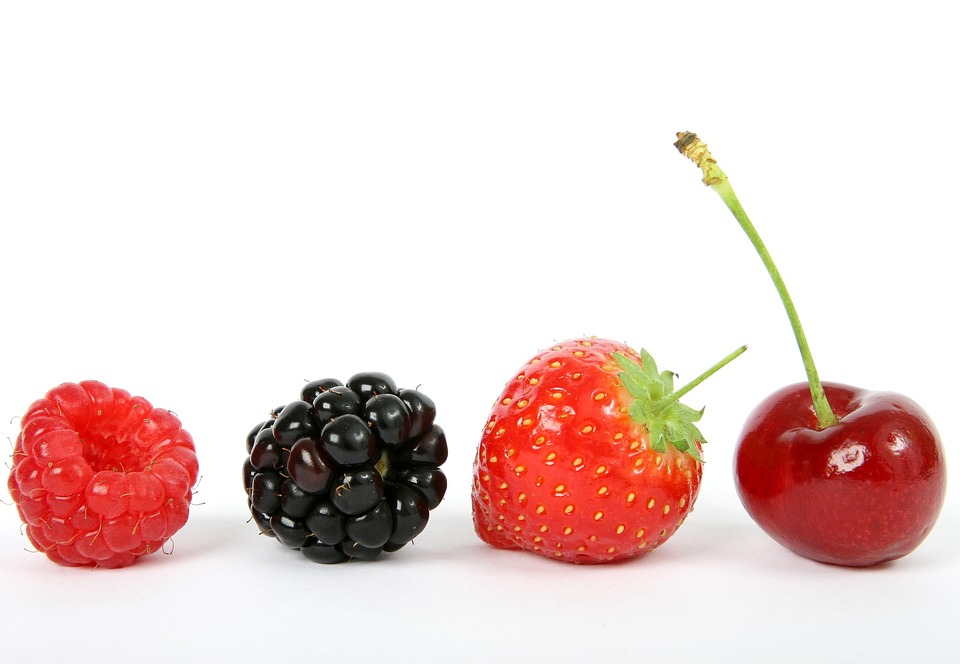
Berries, from the deep purples of blueberries to the vibrant reds of strawberries, have been cherished for centuries. Their appeal isn’t just in their taste; these small fruits offer a complex nutritional profile that has garnered significant attention in wellness circles.
The characteristic hues of berries come from powerful plant compounds known as anthocyanins. These are a type of flavonoid, a broad class of phytochemicals that contribute to the vibrant colors of many fruits and vegetables. Beyond their aesthetic appeal, anthocyanins are often discussed for their role in supporting various bodily processes.
Beyond anthocyanins, berries also contain other notable compounds like quercetin and resveratrol. These molecules work in concert, contributing to the overall functional properties of the fruit. Their combined presence is why berries are such a frequently recommended addition to a balanced diet.
Daily Inclusion Suggestions
Incorporate a half to one cup of mixed berries into your breakfast cereals, smoothies, or as a fresh snack throughout the day.
- Active Compounds: Anthocyanins, Quercetin, Resveratrol
- Best Used For: General wellness support, dietary diversity
- Mechanism of Action: Supports healthy cellular signaling and overall physiological balance.
2. Fatty Fish: Omega-3 Powerhouses
Fatty fish like salmon, mackerel, and sardines have long been staple foods in coastal communities. Their traditional diets often highlight the importance of these marine sources, valued for both sustenance and perceived health benefits.
The primary beneficial compounds in fatty fish are the omega-3 fatty acids, specifically eicosapentaenoic acid (EPA) and docosahexaenoic acid (DHA). These are essential fats, meaning the body cannot produce them efficiently and must obtain them through diet.
These marine-derived omega-3s are often discussed in the context of their impact on cellular membranes and the production of various signaling molecules within the body. Maintaining adequate levels of EPA and DHA is considered important for supporting numerous bodily functions, contributing to overall physiological harmony.
Weekly Dietary Advice
Aim for two to three servings of fatty fish per week, prepared by baking, grilling, or poaching to retain their nutritional value.
- Active Compounds: EPA (Eicosapentaenoic Acid), DHA (Docosahexaenoic Acid)
- Best Used For: Supporting cardiovascular health, overall bodily balance
- Mechanism of Action: Contributes to healthy cell membrane structure and balanced cellular communication pathways.
3. Turmeric: The Golden Spice
Turmeric, a vibrant yellow spice, has a history spanning thousands of years in Ayurvedic and traditional Chinese medicine. Beyond its culinary use, it has been revered for its perceived medicinal qualities and is often central to traditional wellness practices.
The most active compound in turmeric is curcumin. Curcumin is a polyphenol, a type of plant compound characterized by multiple phenolic units. It is responsible for turmeric’s distinctive color and much of its noted biological activity.
Curcumin’s influence within the body is widely discussed, particularly regarding its interactions with various signaling molecules and cellular pathways. It is often explored for its potential role in supporting the body’s natural response to stress and maintaining a sense of physiological calm.
Culinary Integration Tip
Add a teaspoon of ground turmeric to curries, soups, or even warm milk to create a golden latte. Combining it with black pepper may enhance absorption.
- Active Compound: Curcumin
- Best Used For: Promoting overall comfort, supporting internal balance
- Mechanism of Action: Interacts with multiple molecular targets involved in cellular signaling and physiological responses.
4. Ginger: The Zesty Root
Ginger, a rhizome known for its pungent and spicy flavor, has been a culinary and therapeutic staple in many cultures for millennia. Its use spans from traditional remedies for digestive discomfort to a flavorful addition to countless dishes.
The primary bioactive compounds in ginger are gingerols, shogaols, and paradols. Gingerols are most abundant in fresh ginger, while shogaols become more prominent when ginger is dried or cooked, contributing to its intensified pungency.
These compounds are often explored for their interactions with various physiological systems, including those involved in digestive processes and the body’s natural responses to stimuli. People frequently find ginger to be a comforting addition to their diet, particularly after meals.
Preparation and Consumption
Use fresh ginger in stir-fries, teas, or grated into smoothies. A common approach is to steep thin slices of fresh ginger in hot water for a soothing beverage.
- Active Compounds: Gingerols, Shogaols, Paradols
- Best Used For: Digestive comfort, general well-being
- Mechanism of Action: Supports healthy digestive function and modulates various physiological pathways.
5. Leafy Green Vegetables: Nutrient Powerhouses
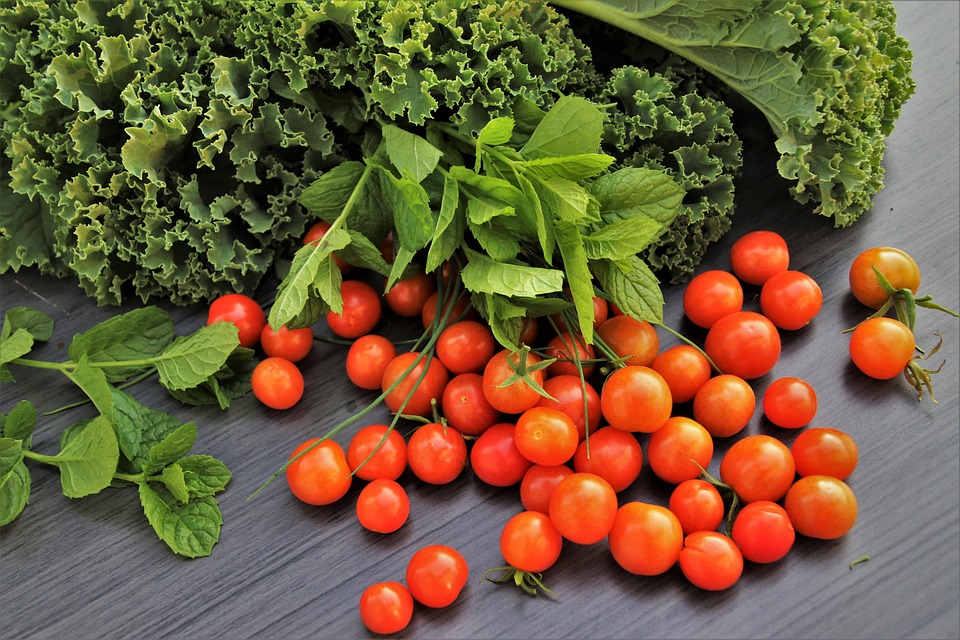
Leafy green vegetables such as spinach, kale, collard greens, and Swiss chard are foundational elements of many healthy eating patterns worldwide. They represent a diverse group of plants, each offering a unique array of nutrients.
These greens are rich in vitamins, minerals, and various phytonutrients. Key nutrients include Vitamin K, Vitamin C, folate, and diverse carotenoids like lutein and zeaxanthin. The chlorophyll that gives them their green color also holds interest for wellness discussions.
The combination of vitamins, minerals, and antioxidants in leafy greens is often highlighted for its role in supporting numerous cellular processes and maintaining overall physiological function. Regular consumption is widely encouraged for supporting a vibrant and active lifestyle.
Simple Serving Methods
Incorporate a generous serving of leafy greens into salads, sauté them as a side dish, or blend them into your morning smoothie for an easy nutrient boost.
- Active Compounds: Vitamin K, Vitamin C, Folate, Carotenoids (e.g., Lutein, Zeaxanthin)
- Best Used For: Comprehensive nutritional support, overall health maintenance
- Mechanism of Action: Provides essential micronutrients and phytonutrients that support cellular health and various metabolic functions.
6. Extra Virgin Olive Oil: A Mediterranean Treasure
Extra virgin olive oil (EVOO) has been a cornerstone of the Mediterranean diet for thousands of years, celebrated not only for its culinary versatility but also for its associated wellness benefits. It’s pressed directly from olives, retaining many of the natural compounds found in the fruit.
The beneficial properties of EVOO are largely attributed to its high content of monounsaturated fatty acids (MUFAs), particularly oleic acid, and a rich array of polyphenols. These polyphenols include compounds like oleocanthal, oleuropein, and hydroxytyrosol.
Oleocanthal, in particular, has garnered attention for its unique properties, often discussed for its potential to support the body’s natural responses. The combined action of MUFAs and these diverse polyphenols contributes to EVOO’s reputation as a valuable dietary component for general health.
Daily Usage Recommendation
Use extra virgin olive oil as a dressing for salads, drizzled over cooked vegetables, or as a finishing oil for soups and dishes, avoiding high-heat cooking to preserve its delicate compounds.
- Active Compounds: Oleic Acid (MUFA), Oleocanthal, Oleuropein, Hydroxytyrosol
- Best Used For: Cardiovascular wellness, overall cellular balance
- Mechanism of Action: Provides beneficial fats and potent polyphenols that support cellular integrity and healthy metabolic function.
7. Broccoli and Other Cruciferous Vegetables
Broccoli, along with its cruciferous relatives like cauliflower, Brussels sprouts, and cabbage, holds a distinguished place in healthy dietary recommendations. These vegetables are known for their distinctive flavors and robust nutrient profiles.
These vegetables are notably rich in glucosinolates, sulfur-containing compounds responsible for their characteristic pungent aroma when cooked. When glucosinolates are broken down, they form active compounds such as isothiocyanates, including sulforaphane and indole-3-carbinol.
Sulforaphane, in particular, is widely discussed for its involvement in various cellular detoxification pathways and its potential to support balanced cellular responses. The consistent inclusion of cruciferous vegetables is often emphasized for maintaining long-term wellness.
Preparation Methods for Benefit
Lightly steam, roast, or sauté broccoli and other cruciferous vegetables to preserve their nutrient content and active compounds. Aim for several servings throughout the week.
- Active Compounds: Glucosinolates (converting to Sulforaphane, Indole-3-Carbinol)
- Best Used For: Cellular detoxification support, overall physiological resilience
- Mechanism of Action: Supports the body’s natural detoxification enzymes and promotes healthy cellular signaling.
Comparative Overview of Anti-Inflammatory Compounds
Understanding the distinct compounds found in various foods can help illustrate their individual contributions to a balanced diet. This table highlights some of the key active components across the foods discussed.
| Food Category | Key Active Compounds | Primary Dietary Impact |
|---|---|---|
| Berries | Anthocyanins, Quercetin | Cellular protection, antioxidant support |
| Fatty Fish | EPA, DHA (Omega-3s) | Cell membrane health, balanced physiological responses |
| Turmeric | Curcumin | Supports internal balance, physiological comfort |
| Extra Virgin Olive Oil | Oleic Acid, Oleocanthal | Cardiovascular support, healthy fat intake |
| Cruciferous Vegetables | Sulforaphane, Indole-3-Carbinol | Detoxification support, cellular health |
Frequently Asked Questions
People often ask specific questions about integrating these foods into their daily routine for wellness support.
How much of these foods should I consume daily?
Specific quantities can vary based on individual dietary needs and preferences. However, incorporating a variety of these foods regularly, such as a cup of berries daily, two to three servings of fatty fish weekly, and a serving of leafy greens or cruciferous vegetables with most meals, is a commonly discussed approach to support general wellness.
Can cooking methods affect the beneficial compounds?
Yes, cooking methods can influence the retention of certain delicate compounds. For instance, prolonged high-heat cooking can diminish some heat-sensitive vitamins and polyphenols. Gentle cooking methods like steaming, light sautéing, or consuming fresh can help preserve these components. For extra virgin olive oil, it’s often recommended for dressings or finishing, rather than high-temperature frying.
Are there any common dietary considerations when adding these foods?
While generally well-tolerated, some individuals may have sensitivities to specific foods. For instance, some people may experience digestive discomfort with certain cruciferous vegetables if consumed in large quantities raw. Listening to your body and making gradual changes to your diet is always a sensible approach. People with underlying conditions often work with a qualified healthcare professional for personalized guidance.
Do these foods interact with medications?
It’s important to understand that while foods are natural, their active compounds can interact with certain medications. For example, Vitamin K in leafy greens can affect blood thinners, and curcumin in turmeric might interact with anticoagulant medications. Always consult with a qualified healthcare professional if you have concerns about food-medication interactions. This information is educational and not a substitute for medical advice.
The Bottom Line
Adopting a dietary approach that emphasizes foods rich in beneficial compounds can play a meaningful role in supporting your overall wellness. These seven foods represent a diverse collection of natural sources, each offering unique contributions to a balanced and nourishing diet.
Prioritizing a varied intake of these wholesome options helps foster a sense of internal harmony and vitality. Making informed food choices is a proactive step towards feeling your best.
Consider gradually integrating these nutrient-dense foods into your weekly meal planning to support your body’s natural balance.
Get Your FREE Natural Health Guide!
Subscribe now and receive our exclusive ebook packed with natural health tips, practical wellness advice, and easy lifestyle changes, delivered straight to your inbox.