
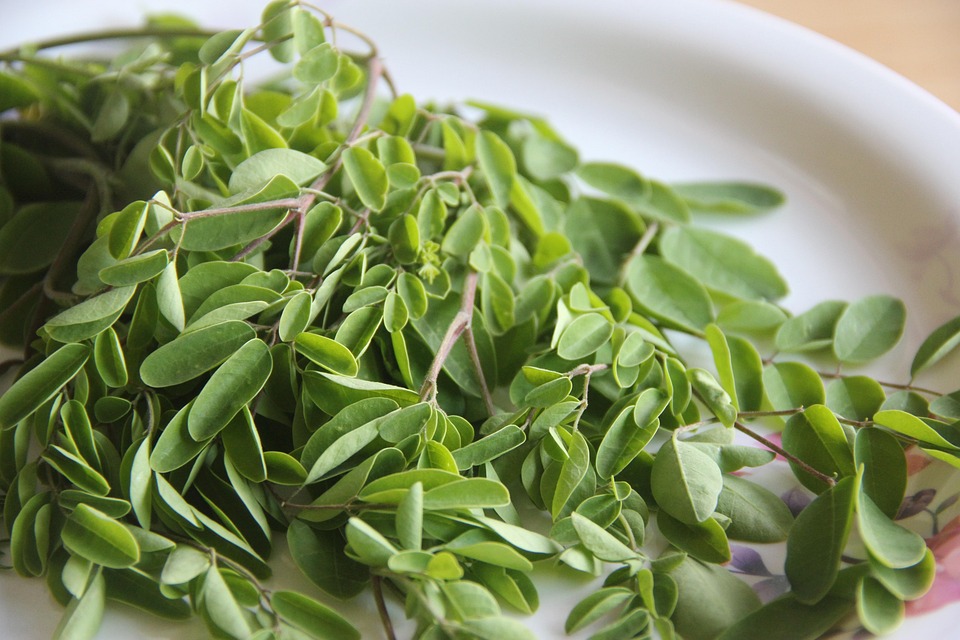

Embracing a Moringa Detox for Renewed Vitality
Moringa oleifera, often called the “miracle tree,” holds a revered place in traditional health practices spanning centuries. Its leaves, pods, and seeds have been central to wellness traditions across various cultures.
For those exploring natural approaches to support general well-being, understanding how certain botanicals function is important. The concept of a moringa detox often relates to supporting the body’s inherent processes.
This guide unpacks some intriguing aspects of moringa and how it may contribute to a sense of internal balance and revitalization. We’ll look beyond the surface to the specific compounds that make this plant noteworthy.
The Moringa oleifera Legacy: A Historical Overview
The history of moringa traces back thousands of years to ancient Indian traditions. Texts describe its extensive use for various health-supporting purposes.
Cultivation of the moringa tree, also known as the “drumstick tree” due to its distinctive pods, spread across Africa and Asia. It adapted readily to different climates, making it a staple in many communities.
People historically valued moringa not only for its potential health applications but also as a resilient food source. Its leaves are incredibly nutrient-dense, providing essential elements for daily sustenance.
Traditional practices incorporated moringa into daily meals, herbal remedies, and even as a source of clean water through seed purification methods. This widespread use highlights its versatility and recognized value.
What Makes Moringa a Subject of Interest? Its Nutritional Profile
Moringa leaves are notable for their rich array of naturally occurring compounds. They contain various vitamins, minerals, and phytonutrients that support general physiological functions.
These compounds work in concert, contributing to the plant’s overall profile. It’s the synergy of these elements that often draws attention to moringa.
The plant’s leaves contain compounds such as quercetin, kaempferol, and chlorogenic acid. These are often discussed for their general beneficial properties in plants.
Moringa also provides several B vitamins, vitamin C, vitamin A precursors, and minerals like iron and calcium. These contribute to a broad spectrum of nutritional support.
Understanding this intricate composition helps clarify why moringa has garnered such interest in natural health circles. Its multifaceted profile is truly distinct.
Comparative Nutritional Snapshot: Moringa’s Richness
To illustrate moringa’s concentrated nutritional profile, consider how its dry leaf powder compares to other common foods in terms of certain nutrient densities.
| Nutrient | Moringa vs. Common Foods | Potential Role in Wellness |
|---|---|---|
| Vitamin C | Higher than oranges | Supports general cellular health |
| Vitamin A | Higher than carrots | Contributes to vision and skin health |
| Calcium | Higher than milk | Aids in bone structure maintenance |
| Potassium | Higher than bananas | Helps with fluid balance |
| Iron | Higher than spinach | Essential for oxygen transport |
This table highlights the plant’s robust nutritional offering. Such concentrations make moringa a compelling addition to many wellness routines.
7 Surprising Benefits of Moringa Detox for Your Health
The term “moringa detox” often refers to utilizing moringa to support the body’s natural internal processes. It’s about encouraging inherent functions rather than imposing a specific regimen.
People explore moringa for various reasons, seeking to enhance their general sense of well-being. The plant’s rich composition offers a broad spectrum of supportive properties.
These benefits emerge from the combined action of moringa’s extensive phytonutrient content. Each contributes to an overall effect of promoting vitality and balance.
1. Supporting Internal Cleansing Pathways
Moringa contains certain compounds that are often discussed for their potential role in supporting the body’s natural internal cleansing processes. This isn’t about artificial purification, but about encouraging normal physiological function.
The presence of compounds like isothiocyanates in moringa is a point of interest. These plant-derived elements are part of a broader group of botanical constituents.
When we refer to supporting cleansing pathways, we are discussing the body’s existing mechanisms. Moringa is believed by some to contribute to the efficiency of these inherent processes.
This support can help foster a feeling of lightness and renewed internal balance. It encourages the body to operate within its natural equilibrium.
- Active Compounds: Isothiocyanates, flavonoids
- Best Used For: Encouraging general internal balance
- Contributes to: A sense of overall systemic health
Incorporation Guidance
Many people find that a spoonful of moringa powder mixed into water or a smoothie daily is a straightforward way to incorporate it.
2. Promoting a Sense of Balanced Digestion
Digestive comfort is a cornerstone of overall well-being. Moringa’s fiber content and specific phytonutrients are often discussed in relation to supporting digestive regularity.
The plant’s natural fibers contribute to normal bowel function. This is a fundamental aspect of maintaining gastrointestinal comfort.
Additionally, other compounds in moringa are explored for their influence on the gut environment. A balanced gut is frequently linked to a more comfortable digestive experience.
When digestion feels balanced, it contributes significantly to overall vitality and comfort. Moringa can be a supportive element in achieving this.
- Active Compounds: Dietary fiber, phenolic acids
- Best Used For: Supporting regular bowel movements and gut comfort
- Contributes to: A feeling of digestive ease and balance
Recommended Daily Practice
Integrating moringa into a morning routine, perhaps with a glass of water, can align with supporting daily digestive rhythm.
3. Contributing to Skin Health and Radiance
The skin is our body’s largest organ, reflecting internal health. Moringa’s rich profile of vitamins and beneficial plant compounds is often associated with supporting skin vitality.
Compounds such as vitamin E and beta-carotene, precursors to vitamin A, are abundant in moringa. These are frequently discussed for their role in maintaining healthy skin appearance.
The presence of these elements helps to foster a sense of skin nourishment from within. Supporting skin health often leads to a more radiant complexion.
Many individuals seek botanicals that can contribute to a natural glow. Moringa offers a holistic approach by providing internal support for skin wellness.
- Active Compounds: Vitamins A, C, E; polyphenols
- Best Used For: Enhancing a radiant complexion and supporting skin health
- Contributes to: Healthy skin appearance and vitality
Topical Integration Method
Some people explore moringa oil for direct skin application, or they include moringa powder in DIY face masks for external support.
4. Encouraging Natural Energy Levels
Sustained energy without reliance on stimulants is a goal for many. Moringa contains a spectrum of B vitamins and iron, which are fundamental to the body’s natural energy production processes.
The plant’s nutrient density helps to provide general nourishment. When the body receives adequate support, it can maintain energy more effectively.
This isn’t about a sudden jolt, but rather about fostering consistent energy throughout the day. It contributes to feeling more sustained and less prone to energy dips.
Many users report a subtle but noticeable improvement in their overall vitality and stamina when incorporating moringa regularly into their routines.
- Active Compounds: B vitamins, iron, magnesium
- Best Used For: Supporting sustained energy and reducing feelings of sluggishness
- Contributes to: A natural sense of alertness and vitality
Daily Consumption Tip
Adding moringa powder to a morning protein shake or green juice can be a simple way to support daily energy needs.
5. Sustaining Immune System Harmony
A well-functioning immune system is essential for overall health. Moringa is a source of vitamin C and other compounds recognized for their supportive role in immune function.
The plant provides a spectrum of nutrients that help maintain immune balance. This isn’t about boosting the immune system, but about nurturing its inherent capabilities.
People often look to whole foods and botanicals to help their bodies stay resilient. Moringa offers a natural way to contribute to this foundational aspect of health.
Supporting immune harmony means helping the body’s defense mechanisms operate effectively. Moringa’s diverse nutrient profile aids in this subtle but significant way. Research from the National Center for Biotechnology suggests its potential in this area.
- Active Compounds: Vitamin C, zinc, flavonoids
- Best Used For: Supporting the body’s natural immune defenses
- Contributes to: Overall immune resilience and balance
Regular Intake Suggestion
Consuming moringa daily, perhaps as a tea or added to meals, ensures a consistent supply of its beneficial compounds for immune support.
6. Aiding in Mental Clarity and Focus
Maintaining clear thought and concentration is increasingly valued in busy lives. Moringa contains compounds that are often explored for their potential influence on cognitive function.
The plant provides various B vitamins which play roles in neural processes. These contribute to a generally supportive environment for brain health.
People often seek natural ways to enhance their mental acuity. Moringa’s nutritional components can subtly contribute to a feeling of improved focus.
This can lead to a greater sense of calm attentiveness throughout the day. It’s about nurturing the brain’s capacity for clarity.
- Active Compounds: B vitamins, amino acids, polyphenols
- Best Used For: Supporting cognitive function and mental sharpness
- Contributes to: Enhanced focus and overall mental well-being
Mindful Consumption Practice
Consider taking moringa during periods when mental performance is key, such as before work or study, to align with its supportive properties.
7. Nurturing Overall Cellular Well-being
At the very foundation of health is the well-being of our cells. Moringa is rich in various plant compounds that are often discussed in the context of cellular protection and maintenance.
These compounds help to support the integrity and normal function of cells throughout the body. This is a crucial aspect of systemic health.
Nurturing cellular well-being means providing the body with the resources it needs to thrive at its most fundamental level. Moringa’s diverse profile contributes to this.
This pervasive support across the cellular landscape underlies many of the broader benefits attributed to moringa. It’s about strengthening the basic building blocks of health.
- Active Compounds: Quercetin, kaempferol, zeatin
- Best Used For: Supporting cellular integrity and health across body systems
- Contributes to: Fundamental health and systemic vitality
Consistent Daily Use
To support continuous cellular health, integrate moringa into your daily regimen without interruption, perhaps as a morning beverage or capsule.
General Considerations for Incorporating Moringa
When considering moringa, quality and form are important factors. Moringa is available as a powder, capsules, and even as oil.
Opting for organic and ethically sourced moringa products can provide assurance about the purity and sustainability of what you’re using. Read labels carefully for ingredients.
For those new to botanicals, starting with smaller amounts and gradually increasing intake is a common approach. This allows the body to adjust naturally.
Remember, this information is educational and not a substitute for medical advice. People with underlying conditions often work with a qualified healthcare professional for personalized guidance.
Frequently Asked Questions
Is moringa safe for everyone to use?
While generally considered well-tolerated, individuals with specific health conditions or those taking medications should discuss moringa with a qualified healthcare professional. Pregnancy and breastfeeding are also situations where professional advice is wise.
What is the best way to consume moringa?
Moringa powder is versatile and can be added to smoothies, juices, yogurts, or even savory dishes. Capsules offer a convenient, pre-portioned option. The “best” way often depends on personal preference and ease of integration into your routine.
How quickly can one expect to notice effects from moringa?
The effects of botanical support can vary significantly among individuals. Some people report feeling subtle changes within weeks, while for others, it may take longer. Consistency of use is frequently cited as a key factor in observing any potential benefits.
Does moringa interact with any medications?
Moringa may interact with certain medications. For example, it could potentially influence blood sugar levels or blood clotting. Always consult with a healthcare professional if you are taking any prescribed medications before introducing moringa or any new supplement.
The Bottom Line
Moringa oleifera offers a compelling profile of beneficial compounds that can contribute to a broad spectrum of general wellness goals. Its historical use and nutrient density position it as a noteworthy botanical for those seeking to support their health naturally.
From aiding internal balance to nurturing energy and immune harmony, moringa provides a multifaceted approach to vitality. It’s a testament to the power of whole-plant nutrition.
Explore high-quality moringa options to experience its supportive properties firsthand, always considering your individual health landscape.
Get Your FREE Natural Health Guide!
Subscribe now and receive our exclusive ebook packed with natural health tips, practical wellness advice, and easy lifestyle changes, delivered straight to your inbox.






