
Unlocking Wellness: The Power of Antioxidant-Rich Snacks
Building a foundation of health often begins with mindful eating. Integrating foods packed with beneficial compounds can support your body’s daily needs. Antioxidant-rich snacks offer a straightforward path to enhancing your nutritional intake, providing more than just momentary satisfaction.
These natural powerhouses contribute to overall cellular resilience and help maintain balance within physiological processes. Understanding their origins and effects allows you to make more informed choices for sustained well-being. This guide explores some of the most accessible and effective options.
You don’t need exotic ingredients to make a significant difference. Many everyday items, when chosen wisely, deliver a potent array of protective compounds. Let’s delve into the specifics of why these particular selections stand out.
The Cellular Shield: Understanding Antioxidants
Antioxidants are a diverse group of molecules that play a pivotal role in maintaining cellular integrity. They work by neutralizing unstable molecules known as free radicals. These free radicals can originate from metabolic processes or external sources, like environmental factors.
When free radicals accumulate, they can initiate a chain of reactions that affects cellular components. This process is often referred to as oxidative stress. Antioxidants help to interrupt these chains, contributing to the body’s natural defense mechanisms.
Various types of antioxidants exist, including vitamins like C and E, and a vast array of plant compounds such as polyphenols and carotenoids. Each type operates through distinct pathways and often targets different cellular environments, creating a broad spectrum of protection. Eating a variety of antioxidant sources ensures a comprehensive approach to supporting cellular health.
- Key Role: Neutralize free radicals.
- Impact: Contributes to cellular protection.
- Sources: Vitamins, polyphenols, carotenoids.
Integrating Dietary Diversity
A balanced approach involves consuming a wide range of colorful fruits, vegetables, and other plant-based foods. This provides a spectrum of different antioxidant compounds.
Your Top 10 Antioxidant Powerhouses
Incorporating these foods into your daily routine is a simple yet effective strategy for enhancing your diet. Each offers a unique profile of beneficial compounds.
1. Blueberries: Tiny Berries, Big Impact
Blueberries have been cherished for centuries, not only for their delightful taste but also for their profound nutritional value. Indigenous cultures recognized their worth, integrating them into both diet and traditional practices. These small fruits are a testament to nature’s ability to pack significant benefits into a compact form.
The deep blue hue of these berries signals the presence of anthocyanins, a powerful class of flavonoids. Anthocyanins are responsible for many of the fruit’s noted properties, acting as robust agents in cellular defense. They are complemented by other polyphenols and vitamin C, creating a comprehensive antioxidant profile.
Consuming blueberries regularly helps to introduce a range of these compounds into your system. They are incredibly versatile, fitting seamlessly into various snacks and meals. Consider them a cornerstone for any diet focused on enhancing well-being.
- Active Compounds: Anthocyanins, Quercetin, Vitamin C.
- Best Used For: Quick snacks, smoothie additions, yogurt toppings.
- Mechanism of Action: Support cellular integrity and natural defense processes.
Daily Serving Suggestion
Enjoy a handful of fresh or frozen blueberries as a standalone snack.
2. Dark Chocolate: A Decadent Defense
For centuries, cacao has been revered, first by ancient Mesoamerican civilizations and later globally for its unique flavor and potential benefits. It was considered a valuable commodity, often incorporated into ceremonial drinks. The journey from bitter bean to beloved treat has transformed its perception, but its fundamental properties remain.
The true hero in dark chocolate is the cacao bean itself, rich in a class of antioxidants called flavanols. These plant compounds are highly concentrated in varieties with a high percentage of cacao solids, typically 70% or more. The higher the cacao content, the greater the presence of these beneficial molecules.
Flavanols are particularly recognized for their ability to contribute to the body’s overall protective mechanisms. They work alongside other polyphenols present in cacao, offering a complex array of natural compounds. Choosing dark chocolate over milk chocolate significantly increases this beneficial intake.
- Active Compounds: Flavanols, Polyphenols.
- Best Used For: Mindful treats, small portions.
- Mechanism of Action: Supports healthy cellular function.
Mindful Enjoyment Guide
Select dark chocolate with at least 70% cacao. A small square is often sufficient for enjoyment and benefit.
3. Walnuts: Brainy Bites
Walnuts have a long and storied history, cultivated for thousands of years across various continents. Ancient Greeks and Romans valued them for their nutritional density, often calling them “nuts of the gods.” Their distinctive convoluted shape has long led to associations with brain health in traditional medicine.
These tree nuts are an exceptional source of several key antioxidants, including ellagic acid and various polyphenols. They also provide a notable amount of alpha linolenic acid (ALA), a plant-based omega-3 fatty acid. This combination makes walnuts particularly unique among common nuts.
The synergistic effect of these compounds contributes to the nuts’ overall profile. Regular consumption of walnuts helps to provide a consistent supply of these important elements. They are a simple and effective addition to many dietary approaches focused on wellness.
- Active Compounds: Ellagic acid, Polyphenols, ALA.
- Best Used For: Mid-day snacks, salad toppers, trail mix components.
- Mechanism of Action: Contribute to cellular defense and fatty acid balance.
Daily Serving Recommendation
A quarter cup of walnuts makes a satisfying and nutrient-dense snack.
4. Pecans: Southern Delights with Potent Perks
Pecans are native to North America, where indigenous peoples have harvested them for centuries, recognizing their caloric density and rich flavor. They played a vital role as a food source, particularly during winter months. Their legacy continues as a staple in many traditional dishes.
Beyond their buttery taste, pecans are loaded with ellagic acid, similar to walnuts, and a diverse range of other phenolic compounds. They also contain gamma-tocopherol, a specific form of vitamin E that contributes to their antioxidant capacity. This makes them more than just a tasty treat.
The array of antioxidants in pecans supports the body’s natural processes that maintain cellular health. Including them in your diet can be a delicious way to boost your intake of these valuable compounds. They offer a distinct flavor that complements both sweet and savory applications.
- Active Compounds: Ellagic acid, Phenolic compounds, Gamma-tocopherol.
- Best Used For: Snack mixes, baking, or enjoyed plain.
- Mechanism of Action: Aid in cellular protection from oxidative influences.
Snack Integration Idea
Pair a small handful of pecans with an apple slice for a balanced snack.
5. Red Bell Peppers: Vibrant Crunch, Vital Nutrients
Red bell peppers originated in Central and South America, cultivated for thousands of years before their global introduction. Their vivid colors and mild sweetness made them a culinary favorite, offering a delightful crunch in various dishes. They are a versatile vegetable used worldwide.
These bright vegetables are an outstanding source of vitamin C, often containing more than an orange. They also provide significant amounts of carotenoids like beta-carotene and lycopene, which contribute to their red coloration. These two classes of antioxidants work through distinct mechanisms. Research from the National Institutes of Health shows vitamin C is essential for many bodily functions.
Vitamin C plays a direct role in various cellular processes. Carotenoids, on the other hand, are fat-soluble compounds often involved in different aspects of cellular defense. Together, they create a robust antioxidant profile that supports overall wellness.
- Active Compounds: Vitamin C, Beta-carotene, Lycopene.
- Best Used For: Raw in salads, dips, or as crunchy sticks.
- Mechanism of Action: Support general cellular health and physiological balance.
Preparation for Snacking
Slice red bell peppers into strips for dipping in hummus or a healthy spread.
6. Spinach: Green Leafy Goodness
Spinach has a long history, originating in Persia and spreading to China by the 7th century. It then made its way to Europe, where it was embraced for its culinary versatility and perceived health benefits. This leafy green has been a dietary staple for centuries, recognized for its nourishing qualities.
Spinach is a treasure trove of antioxidants, including lutein and zeaxanthin, which are carotenoids, along with various flavonoids. It also contains vitamin K and a good amount of vitamin C. The combination of fat-soluble and water-soluble antioxidants makes it particularly potent.
The diverse array of compounds in spinach offers broad support for cellular function. Lutein and zeaxanthin are particularly noteworthy for their specific roles in certain physiological contexts. Regular inclusion of spinach can significantly enhance one’s daily antioxidant intake.
- Active Compounds: Lutein, Zeaxanthin, Flavonoids, Vitamin C.
- Best Used For: Smoothies, salads, or lightly wilted as a side.
- Mechanism of Action: Contributes to cellular integrity and overall wellness.
Simple Snack Idea
Add a handful of fresh spinach to your morning smoothie for an imperceptible boost.
7. Raspberries: Jewel-Toned Powerhouses
Raspberries have been enjoyed since prehistoric times, growing wild across temperate regions of the world. They were first cultivated in Roman times, eventually becoming a popular garden fruit known for their delicate flavor and vibrant color. Their historical appeal is well-documented.
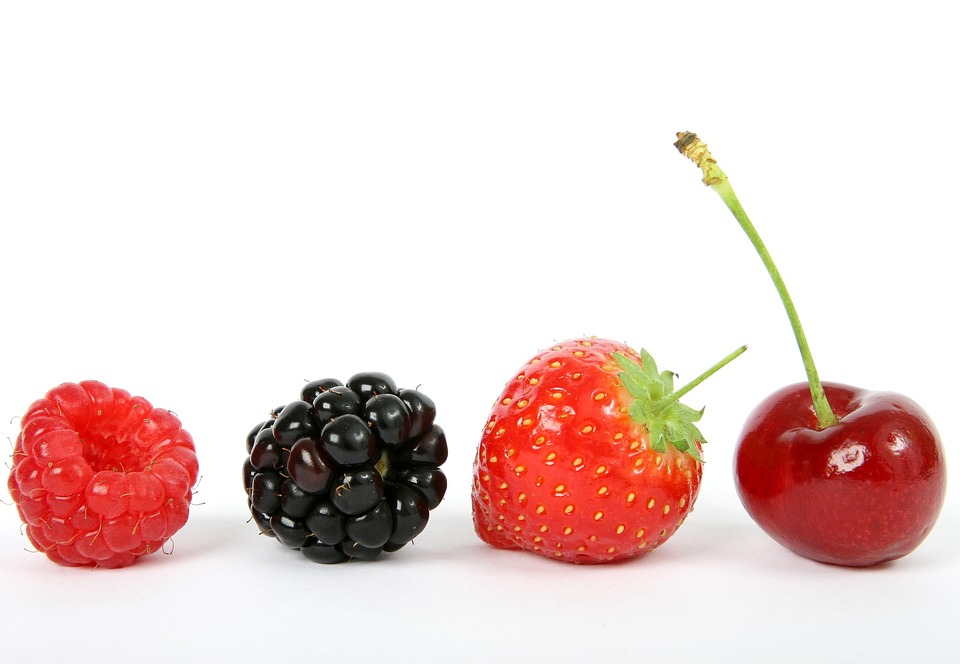
These delicate berries are packed with ellagic acid, anthocyanins, and high levels of vitamin C. They also contain a good amount of dietary fiber, which complements their antioxidant profile. The synergy of these compounds makes raspberries a nutritional standout.
Ellagic acid, in particular, is a polyphenol that contributes to the berries’ protective properties. The anthocyanins give raspberries their characteristic red hue and act as significant cellular defenders. Their combination offers a multifaceted approach to supporting well-being.
- Active Compounds: Ellagic acid, Anthocyanins, Vitamin C.
- Best Used For: Eating fresh, mixing into yogurt, or adding to oatmeal.
- Mechanism of Action: Supports cellular health and natural physiological processes.
Refreshing Snack Method
Enjoy a bowl of fresh raspberries on their own, or with a dollop of plain Greek yogurt.
8. Artichokes: The Unsung Hero
Artichokes boast a rich history, tracing their origins back to ancient Mediterranean civilizations. They were prized by the Egyptians, Greeks, and Romans for both their culinary appeal and perceived health benefits. Cultivation became widespread in Europe by the Middle Ages.
This unique vegetable is a surprisingly concentrated source of antioxidants, particularly cynarin and various polyphenols like chlorogenic acid. These compounds are found throughout the edible parts of the artichoke, including the leaves and heart. Their presence contributes to the plant’s overall beneficial properties.
Cynarin is a bioactive compound that has been extensively studied for its distinct attributes. The combination of cynarin and other polyphenols helps to support the body’s protective systems. Artichokes offer a different profile of antioxidants compared to fruits, adding diversity to your intake.
- Active Compounds: Cynarin, Chlorogenic acid, other Polyphenols.
- Best Used For: Steamed and eaten with a light dip, or marinated artichoke hearts.
- Mechanism of Action: Contributes to cellular well-being and digestive comfort.
Simple Artichoke Snack
Enjoy marinated artichoke hearts straight from the jar, ensuring they are packed in water or olive oil.
9. Green Tea: An Ancient Elixir
Green tea has been consumed for millennia, originating in China and integral to many Asian cultures. Its cultivation and preparation have been refined over centuries, elevating it to an art form. Historically, it was revered for its stimulating and health-promoting qualities.
The primary antioxidant compounds in green tea are a group of polyphenols called catechins, with epigallocatechin gallate (EGCG) being the most abundant and well-studied. These catechins are preserved due to the minimal processing of green tea leaves. This contrasts with black tea, which undergoes fermentation.
EGCG and other catechins are recognized for their robust contributions to cellular protection. Regularly consuming green tea provides a consistent intake of these beneficial compounds. It’s a simple, comforting way to support overall health and hydration.
- Active Compounds: Catechins (especially EGCG), Flavonoids.
- Best Used For: Daily beverage, hot or iced.
- Mechanism of Action: Supports cellular integrity and physiological balance.
Brewing for Benefit
Brew green tea using water just below boiling point for 2-3 minutes to extract optimal compounds.
10. Flax Seeds: Small Seeds, Mighty Boost
Flax seeds are among the oldest cultivated crops, with evidence of their use dating back to ancient Egypt and Mesopotamia. They have historically been valued for their fiber, oil, and nutritional content. Their long history of human use underscores their enduring appeal.
Flax seeds are unique in their concentration of lignans, a type of phytoestrogen with significant antioxidant properties. They are also an excellent source of alpha linolenic acid (ALA), a plant-based omega-3 fatty acid. This combination offers distinct benefits not found in many other foods.
Lignans contribute to cellular defense through their specific molecular structure. The ALA content also plays a role in supporting the body’s natural processes. Grinding flax seeds before consumption helps to make their beneficial compounds more accessible.
- Active Compounds: Lignans, ALA.
- Best Used For: Ground and added to smoothies, oatmeal, or baked goods.
- Mechanism of Action: Contributes to cellular protection and fatty acid balance.
Optimal Consumption Method
Always consume flax seeds ground to maximize the absorption of their lignans and ALA.
Antioxidant Compound Snapshot
This table provides a concise overview of some common antioxidant types and their primary food sources. Understanding these categories can help you diversify your intake for a more comprehensive approach to nutrition.
| Antioxidant Type | Primary Food Sources | General Contribution |
|---|---|---|
| Anthocyanins | Blueberries, Raspberries, Red Cabbage, Cherries | Contributes to cellular protection |
| Flavanols | Dark Chocolate, Green Tea, Apples | Supports overall cellular function |
| Carotenoids | Red Bell Peppers, Spinach, Carrots, Sweet Potatoes | Aids in various aspects of cellular defense |
| Ellagic Acid | Walnuts, Pecans, Raspberries, Pomegranates | Helps maintain cellular integrity |
| Lignans | Flax Seeds, Sesame Seeds, Whole Grains | Contributes to antioxidant activity and balance |
| Vitamin C | Red Bell Peppers, Blueberries, Oranges, Strawberries | Supports numerous physiological processes |
Frequently Asked Questions
Do cooking methods affect the antioxidant content of foods?
Yes, some cooking methods can impact the concentration of certain antioxidants. Prolonged high heat or extensive processing may reduce levels of heat-sensitive compounds like vitamin C. Gentle steaming or quick stir-frying often helps retain more nutrients.
Can I get enough antioxidants from diet alone?
For most people, a well-rounded diet rich in diverse fruits, vegetables, nuts, and seeds provides a robust supply of antioxidants. Focusing on whole, unprocessed foods is often the most effective strategy. People with underlying conditions often work with a qualified healthcare professional for personalized guidance.
Are frozen fruits and vegetables as good as fresh for antioxidants?
Generally, yes. Fruits and vegetables are typically frozen at their peak ripeness, which helps to preserve their nutrient and antioxidant content. In some cases, frozen produce may even retain more nutrients than “fresh” produce that has traveled long distances.
What is oxidative stress and why should I care about it?
Oxidative stress refers to an imbalance between free radicals and antioxidants in your body. It is often discussed as a factor in various physiological processes. Maintaining a good intake of antioxidants through your diet is a general lifestyle consideration for supporting overall wellness.
The Bottom Line
Integrating antioxidant-rich snacks into your daily routine is a simple yet impactful way to support your overall health. These natural, whole foods offer a broad spectrum of beneficial compounds that contribute to cellular resilience and general well-being. Prioritizing diverse plant-based options ensures a comprehensive approach to nourishing your body.
Begin by swapping one processed snack each day for a handful of berries, nuts, or a serving of dark chocolate.
Get Your FREE Natural Health Guide!
Subscribe now and receive our exclusive ebook packed with natural health tips, practical wellness advice, and easy lifestyle changes, delivered straight to your inbox.