Embracing a Low Sugar Lifestyle with Everyday Recipes
Reducing added sugars can support a balanced diet and contribute to overall well being. Many people find that adjusting their dietary habits to include more whole, unprocessed foods naturally minimizes sugar intake.
Focusing on fiber rich vegetables, lean proteins, and healthy fats helps maintain a steady energy level throughout the day. This approach can make a significant difference in how one feels and functions.
These low sugar recipes offer practical, delicious ways to integrate this dietary philosophy into your daily routine without sacrificing flavor or satisfaction.
Understanding the Impact of Added Sugars on Wellness
Our bodies process different types of sugars uniquely. Natural sugars found in fruits and vegetables come packaged with fiber, vitamins, and minerals. This fiber helps moderate the absorption of sugar into the bloodstream, supporting a more gradual rise in energy.
Added sugars, often present in processed foods, lack these beneficial components. Consuming a diet high in added sugars can impact various aspects of general wellness, including energy levels and digestive comfort.
Exploring ways to reduce reliance on these added sugars is a practical step for many. It often involves a conscious effort to select ingredients and prepare meals that prioritize nutritional density.
This isn’t about complete deprivation but about thoughtful substitution and recipe adaptation. Learning to identify hidden sugars in everyday foods becomes a valuable skill for personal health management.
People with underlying conditions often work with a qualified healthcare professional for personalized guidance regarding dietary changes.
- Natural Sugar Sources: Fruits, vegetables, whole grains.
- Added Sugar Impact: Can influence general energy metabolism.
- Dietary Strategy: Emphasize whole foods for better nutrient profiles.
Wellness Philosophy
A balanced approach to nutrition centers on making informed choices that align with long term health goals, rather than seeking quick fixes or restrictive diets.
Addressing Common Misconceptions About Sugar Substitutes
When people reduce sugar, they sometimes turn to artificial sweeteners or highly processed sugar alcohols. These alternatives can offer sweetness without the caloric load, but their long term effects on metabolic processes are still a subject of ongoing discussion.
Some individuals experience digestive discomfort from excessive consumption of certain sugar alcohols. Others find that these sweeteners do not truly satisfy a craving for natural sweetness, potentially leading to increased intake of other foods.
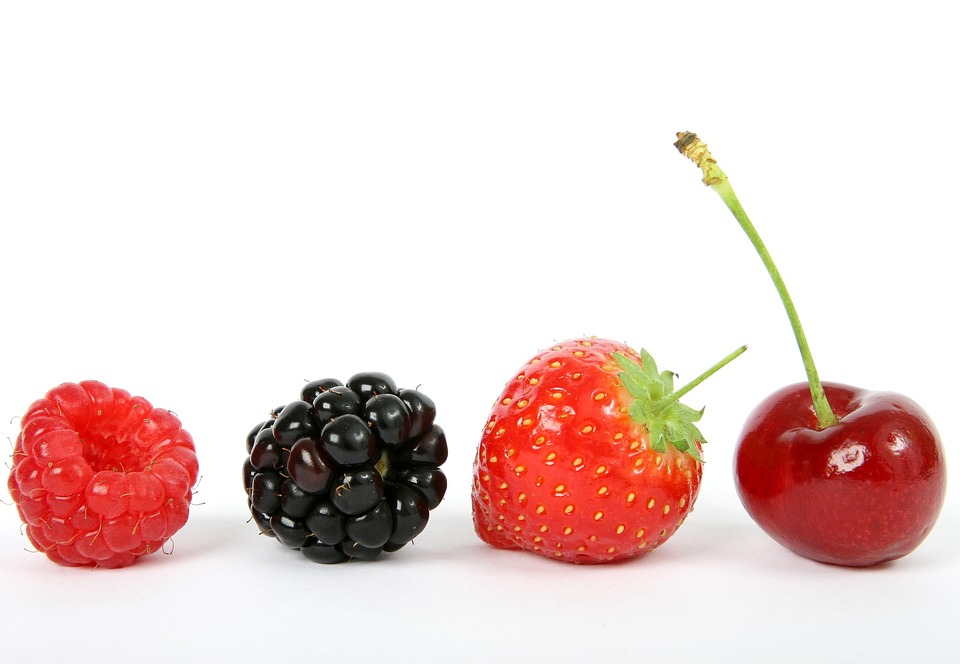
Prioritizing natural sources of sweetness, such as berries or small amounts of whole fruit, is often a more sustainable strategy. These foods provide beneficial phytonutrients and fiber that processed substitutes lack.
Understanding the difference between various types of sweeteners empowers better decision making. It moves the focus from simply cutting calories to selecting ingredients that support the body’s natural functions.
- Artificial Sweeteners: Provide sweetness without calories.
- Sugar Alcohols: May cause digestive upset in some individuals.
- Recommended Approach: Favor whole food sources of natural sweetness.
Informed Choices
Make selections for sweetness that support comprehensive nutritional intake, considering both caloric content and micronutrient value.
1. Berry Chia Seed Pudding
This breakfast option combines high fiber chia seeds with nutrient rich berries. Chia seeds absorb liquid and create a gel like consistency, providing a feeling of fullness that can last for hours. This helps reduce the urge for mid morning sugary snacks.
Berries, such as blueberries, raspberries, and strawberries, are naturally sweet and low in glycemic impact. They also contain a wide array of antioxidants, supporting cellular health and overall vitality. The combination creates a satisfying and visually appealing dish.
The soluble fiber in chia seeds also aids digestive regularity. This recipe provides a sustained energy release, avoiding the typical sugar crash that can follow a high carbohydrate breakfast.
This dish is easy to prepare ahead of time, making it an excellent choice for busy mornings. It allows for creative variations with different fruit combinations or a sprinkle of unsweetened nuts.
- Key Ingredient Focus: Chia seeds, mixed berries.
- Benefits for Wellness: Sustained energy, digestive comfort.
- Flavor Profile: Naturally sweet, subtly nutty.
Preparation Insight
Combine 3 tablespoons of chia seeds with 1 cup of unsweetened almond milk and a half cup of mixed berries, then refrigerate overnight.
2. Savory Avocado Toast with Everything Bagel Seasoning
Moving away from sweet breakfast options, this savory avocado toast provides healthy fats and a satisfying texture. Avocado is packed with monounsaturated fats, which are known to promote satiety and support cardiovascular wellness.
Using whole grain bread as a base adds valuable fiber, further slowing digestion and maintaining stable blood sugar levels. This contrasts sharply with refined white bread, which can cause rapid sugar spikes.
Everything bagel seasoning, a blend of sesame seeds, poppy seeds, dried garlic, and dried onion, adds a burst of flavor without any added sugar. It offers a textural crunch and aromatic depth.
This quick meal serves as an excellent source of plant based nutrients. It provides a balanced start to the day, or a fulfilling snack, that contributes to a sense of well being and sustained energy.
- Key Ingredient Focus: Avocado, whole grain bread, seeds.
- Benefits for Wellness: Satiety, heart health support, fiber intake.
- Flavor Profile: Creamy, savory, with aromatic spices.
Assembly Method
Spread half an avocado on a slice of toasted whole grain bread, then sprinkle generously with everything bagel seasoning.
3. Hearty Lentil Soup
Lentils are a powerhouse of plant based protein and dietary fiber, making this soup an incredibly filling and low sugar meal. The complex carbohydrates in lentils provide a slow release of energy, preventing sharp fluctuations in blood glucose.
This soup typically incorporates a variety of vegetables like carrots, celery, and onions, which add natural sweetness and a spectrum of vitamins and minerals. These vegetables contribute to the soup’s robust flavor profile without the need for added sugars.
Making soup from scratch allows complete control over ingredients, ensuring no hidden sugars or unnecessary additives. It’s a foundational recipe for a low sugar eating plan, adaptable to seasonal vegetables and spice preferences.
The high fiber content also supports digestive health. A bowl of lentil soup can be a comforting and nourishing option for lunch or dinner, providing warmth and nutritional value.
- Key Ingredient Focus: Lentils, various root vegetables.
- Benefits for Wellness: High fiber, sustained energy, plant based protein.
- Flavor Profile: Earthy, savory, subtly sweet from vegetables.
Cooking Suggestion
Simmer 1 cup of brown lentils with 4 cups of vegetable broth and diced carrots, celery, and onion until tender, seasoning with herbs like thyme and bay leaf.
4. Chicken and Veggie Stir-Fry
A chicken and vegetable stir-fry is a versatile and quick dinner that inherently leans toward a low sugar profile. The protein from chicken helps build and repair tissues while providing excellent satiety. Choose lean cuts to minimize saturated fat content.
Loading the stir-fry with a diverse range of colorful vegetables such as broccoli, bell peppers, snap peas, and mushrooms adds a wealth of vitamins, minerals, and dietary fiber. This volume of vegetables contributes to fullness without adding sugar.
The key to keeping this dish low sugar lies in the sauce. Traditional stir-fry sauces often contain significant amounts of sugar. Opt for a homemade sauce using tamari or coconut aminos, rice vinegar, and a touch of ginger and garlic.
This meal provides a complete nutritional package, supporting a balanced energy level and contributing to feelings of well being. It is also an excellent way to incorporate a variety of produce into your diet.
- Key Ingredient Focus: Lean chicken, assorted non starchy vegetables.
- Benefits for Wellness: Protein rich, high in micronutrients, low glycemic.
- Flavor Profile: Umami, fresh, with aromatic spices.
Sauce Customization
Create a sauce with 2 tablespoons of tamari, 1 tablespoon of rice vinegar, a teaspoon of grated ginger, and a minced garlic clove to enhance flavor without added sugar.
5. Baked Salmon with Roasted Asparagus
This elegant yet simple dish exemplifies healthy, low sugar eating. Salmon is an outstanding source of omega 3 fatty acids, which are important for various bodily functions and general wellness. It also provides high quality protein for muscle maintenance and satiety.
Asparagus, a non starchy vegetable, is low in calories and carbohydrates, while being rich in vitamins K and folate. Roasting it brings out its natural sweetness and provides a tender crisp texture.
Preparing this meal involves minimal added ingredients, typically just olive oil, lemon juice, and herbs like dill for the salmon, and a little olive oil, salt, and pepper for the asparagus. This ensures no hidden sugars.
The healthy fats in salmon, combined with the fiber from asparagus, create a meal that promotes sustained energy and fullness. This combination helps avoid cravings for sugary items later in the day.
- Key Ingredient Focus: Salmon, asparagus.
- Benefits for Wellness: Omega 3s, high protein, essential vitamins.
- Flavor Profile: Rich, savory, with a bright citrus finish.
Cooking Method
Bake a salmon fillet at 400°F (200°C) for 12-15 minutes with a side of asparagus tossed in olive oil, lemon, salt, and pepper.
6. Tuna Salad Lettuce Wraps
Tuna salad lettuce wraps offer a light yet satisfying low sugar lunch or snack option. Canned tuna is a convenient source of lean protein, which is crucial for building and repairing tissues and contributes significantly to satiety.
Instead of traditional bread or crackers, large lettuce leaves serve as crisp, low carbohydrate wrappers. This reduces the overall sugar and refined carbohydrate content, keeping the meal fresh and light.
To keep the tuna salad low sugar, use a mayonnaise made with avocado oil or Greek yogurt as a base. Incorporate finely diced celery, red onion, and fresh herbs like parsley for crunch and flavor, avoiding sweet relishes.
This meal helps maintain steady energy levels throughout the afternoon by providing protein and healthy fats without a heavy carbohydrate load. It’s a refreshing alternative to traditional sandwiches.
- Key Ingredient Focus: Canned tuna, crisp lettuce, healthy fats.
- Benefits for Wellness: High protein, low carbohydrate, hydrating.
- Flavor Profile: Savory, fresh, with a satisfying crunch.
Assembly Tip
Mix canned tuna with avocado oil mayonnaise, diced celery, and red onion, then spoon into large romaine or butter lettuce leaves.
7. Greek Yogurt with Nuts and Cinnamon
Unsweetened Greek yogurt is a versatile base for a low sugar snack or breakfast, known for its high protein content. The protein in Greek yogurt helps promote a feeling of fullness and can support muscle maintenance.
Adding a handful of unsalted, unsweetened nuts such as almonds, walnuts, or pecans introduces healthy fats and additional fiber. These ingredients collectively slow digestion and contribute to stable energy levels.
A sprinkle of cinnamon provides warmth and a hint of natural sweetness without adding any sugar. Cinnamon also contains beneficial compounds that may support general metabolic health. Research from the National Institutes of Health indicates its role in diet.
This simple combination offers a rich source of probiotics from the yogurt, which are beneficial for digestive wellness. It is a quick, nutrient dense option that satisfies without sugar.
- Key Ingredient Focus: Unsweetened Greek yogurt, various nuts, cinnamon.
- Benefits for Wellness: High protein, probiotics, healthy fats.
- Flavor Profile: Tangy, creamy, with warm spice and crunch.
Ingredient Pairing
Combine half a cup of unsweetened plain Greek yogurt with 1 ounce of mixed nuts and a quarter teaspoon of ground cinnamon for a balanced snack.
8. Egg and Spinach Muffins
These savory muffins are an excellent make ahead option for a low sugar breakfast or snack. Eggs are a complete protein source, providing all essential amino acids and promoting lasting satiety.
Incorporating spinach or other non starchy vegetables like bell peppers or mushrooms adds fiber and a host of vitamins and minerals. This increases the nutritional density of the muffins without adding carbohydrates or sugars.
Unlike sweet baked goods, these muffins rely on savory spices and vegetables for flavor. This helps retrain taste buds away from a reliance on sugary tastes. They are naturally gluten free if no flour is added, appealing to a wider range of dietary needs.
Egg and spinach muffins offer sustained energy throughout the morning. They are a practical way to ensure a nutritious start to the day, supporting cognitive function and physical vitality.
- Key Ingredient Focus: Eggs, fresh spinach, other non starchy vegetables.
- Benefits for Wellness: High protein, nutrient dense, convenient.
- Flavor Profile: Savory, eggy, with fresh vegetable notes.
Baking Method
Whisk 6 eggs with a handful of chopped spinach and seasonings, then bake in a muffin tin at 350°F (175°C) for 15-20 minutes until set.
9. Quinoa Salad with Chickpeas and Herbs
Quinoa, a complete protein and a good source of fiber, forms the base of this satisfying low sugar salad. Its unique nutritional profile helps regulate blood sugar levels more effectively than refined grains.
Chickpeas add another layer of plant based protein and fiber, making this salad particularly filling. They contribute to digestive health and prolonged energy, reducing the likelihood of sugar cravings.
Fresh herbs such as parsley, mint, and cilantro provide vibrant flavor without any added sugar. A dressing made with olive oil and lemon juice offers healthy fats and a tangy zest, enhancing the natural flavors of the ingredients.
This salad is perfect for meal prepping. It can be enjoyed cold for lunch or as a side dish, offering a refreshing and nutrient packed option that adheres to low sugar principles.
- Key Ingredient Focus: Quinoa, chickpeas, fresh herbs.
- Benefits for Wellness: Complete protein, high fiber, complex carbohydrates.
- Flavor Profile: Fresh, zesty, herbaceous.
Dressing Creation
Whisk together 3 tablespoons of extra virgin olive oil, 2 tablespoons of fresh lemon juice, salt, and pepper to dress the cooked quinoa and chickpeas.
10. Zucchini Noodles with Pesto
Zucchini noodles, often called “zoodles,” are an excellent low carbohydrate, low sugar alternative to traditional pasta. They are primarily water, providing hydration and a delicate texture while keeping calorie and sugar counts minimal.
Pesto, when made from scratch or purchased without added sugar, offers healthy fats from olive oil and pine nuts, along with beneficial compounds from basil and garlic. It provides robust flavor and a creamy texture without heavy sauces.
Adding cherry tomatoes or other non starchy vegetables further enhances the dish’s nutritional value and visual appeal. This meal allows individuals to enjoy a pasta like experience without the typical carbohydrate load and associated sugar response.
Zucchini noodles with pesto are quick to prepare, making them an ideal choice for a weeknight dinner. It offers a fresh, vibrant, and satisfying meal that supports a low sugar lifestyle effectively.
- Key Ingredient Focus: Zucchini, fresh basil pesto, healthy fats.
- Benefits for Wellness: Low calorie, high hydration, healthy fats.
- Flavor Profile: Fresh, herbaceous, garlicky.
Preparation Shortcut
Spiralize two zucchinis into noodles, toss with a quarter cup of sugar free pesto, and add halved cherry tomatoes for a quick meal.
Comparative Analysis of Low Sugar Ingredients
Understanding the role of various ingredients is essential for maintaining a low sugar dietary approach. This table highlights key attributes that contribute to satiety and balanced energy.
| Ingredient Category | Primary Benefit | Impact on Sugar Levels | Example Foods |
|---|---|---|---|
| Lean Proteins | Promotes satiety, muscle support | Minimal direct impact, stabilizes appetite | Chicken, fish, eggs, lentils |
| Healthy Fats | Enhances fullness, nutrient absorption | Very low direct impact, slows digestion | Avocado, olive oil, nuts, seeds |
| Fiber Rich Vegetables | Aids digestion, provides vitamins/minerals | Low direct impact, moderates sugar absorption | Leafy greens, broccoli, asparagus |
| Complex Carbohydrates | Sustained energy, gradual release | Slow and steady rise, avoids spikes | Quinoa, whole grains (in moderation) |
| Natural Sweeteners (Whole Food) | Fiber included, nutrient dense | Moderate, buffered by fiber | Berries, apples (whole, not juice) |
Selecting ingredients from these categories helps create meals that are both delicious and supportive of a low sugar lifestyle. It emphasizes a whole food approach over restrictive elimination.
Frequently Asked Questions
Are all carbohydrates bad for a low sugar diet? Not at all. Complex carbohydrates found in whole grains, vegetables, and legumes provide fiber and sustained energy. The focus is on minimizing refined carbohydrates and added sugars, not all carbohydrates.
Can I still enjoy desserts on a low sugar routine? Yes, with careful ingredient selection. Focus on recipes that use natural sweetness from fruits or small amounts of unsweetened cocoa. Experiment with ingredients like almond flour and coconut flour for baking.
What about fruit, isn’t it sugary? Fruits contain natural sugars, but they also come packed with fiber, vitamins, and antioxidants. The fiber helps mitigate the sugar’s impact. Whole fruits are generally a much better choice than fruit juices or dried fruits with added sugar.
How quickly will I notice changes by reducing sugar? Many people report feeling more balanced energy and reduced cravings within a few days to a few weeks. Individual experiences can vary based on prior dietary habits and overall lifestyle.
The Bottom Line
Adopting a low sugar routine doesn’t mean sacrificing flavor or satisfaction. It involves a thoughtful shift toward whole foods, lean proteins, healthy fats, and fiber rich vegetables. These recipes demonstrate how delicious and sustainable such a lifestyle can be.
Making small, consistent changes in your meal preparation can lead to significant improvements in how you feel day to day. Consider incorporating one or two of these recipes into your weekly rotation to begin your journey.
Get Your FREE Natural Health Guide!
Subscribe now and receive our exclusive ebook packed with natural health tips, practical wellness advice, and easy lifestyle changes, delivered straight to your inbox.