


Exploring Natural Approaches for Migraine Comfort
Migraines can be incredibly disruptive, often presenting with intense head discomfort, sensitivity to light and sound, and other challenging sensations. Many individuals seek a variety of strategies to support their comfort and daily well-being. This often includes exploring natural remedies for migraines as part of a broader wellness plan.
Understanding different options can empower people to have more informed discussions with their chosen healthcare professional. The journey to finding what provides comfort is a personal one, and it often involves a blend of approaches.
This guide explores seven natural options that people often discuss in the context of managing migraine experiences. These insights are designed to be educational, not prescriptive, highlighting common points of interest.
1. Magnesium: An Essential Mineral
Magnesium is an abundant mineral in the body, playing a fundamental role in over 300 enzymatic reactions. These processes include nerve transmission, muscle contraction, and energy production. Many people do not obtain adequate magnesium through their diet alone, making it a common topic of discussion in natural health circles.
It influences various bodily systems, including those involved in general nerve and muscle function. Maintaining appropriate magnesium levels is often explored for overall physiological balance. Different forms of magnesium exist, such as magnesium glycinate and magnesium citrate, each with specific absorption characteristics.
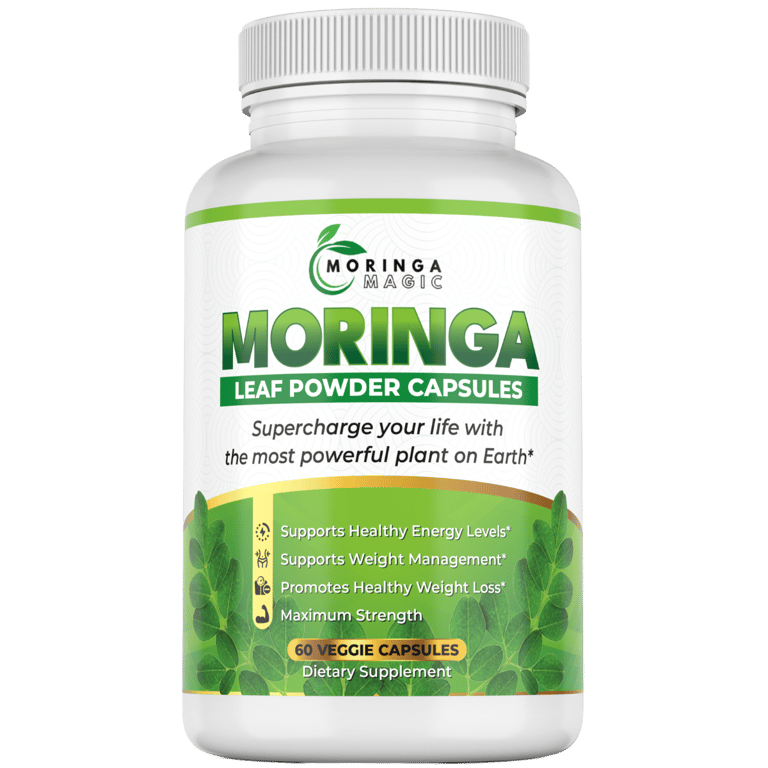
Moringa Magic™ Plant-Based Routine
- Highly bioavailable, plant-based routine designed to provide foundational nutritional support
- Helps your body optimize daily nutrient absorption and address hidden nutrient gaps
- Manufactured in a cGMP-compliant, FDA-registered facility without heavy stimulants
Historically, magnesium has been a focus in discussions about general wellness, particularly concerning muscle relaxation and nerve support. Its broad involvement in cellular functions makes it a frequently considered mineral for various aspects of health. People with underlying conditions often work with a qualified healthcare professional for personalized guidance regarding mineral intake.
- Active Compound: Elemental Magnesium (various salt forms like glycinate, citrate, threonate)
- Best Used For: General physiological balance, muscle relaxation support, nerve activity.
- Mechanism of Action (General): Involved in numerous biochemical processes supporting nerve and muscle function.
Considering Magnesium Intake
For those exploring magnesium, discussing suitable forms and intake levels with a healthcare professional is often a prudent first step.
2. Riboflavin (Vitamin B2): Supporting Cellular Energy
Riboflavin, commonly known as vitamin B2, is a water-soluble vitamin vital for cellular energy production. It serves as a precursor to flavin mononucleotide (FMN) and flavin adenine dinucleotide (FAD), two coenzymes essential for various metabolic processes. These coenzymes are integral to the electron transport chain, a core component of cellular respiration.
The body needs riboflavin to convert food into energy, supporting overall cellular function. Given its role in energy metabolism, some people explore its potential connection to aspects of nerve and brain function. Dietary sources include dairy products, meat, and certain fortified cereals.
A consistent intake of B vitamins is often discussed for general well-being and energy metabolism. The specific processes involving riboflavin are complex, centering on the fundamental energy requirements of cells throughout the body.
- Active Compound: Riboflavin
- Best Used For: Supporting cellular energy production, overall metabolic health.
- Mechanism of Action (General): Acts as a coenzyme in energy metabolism and mitochondrial function.
Integrating Riboflavin
People often consider riboflavin as a component of a balanced diet or as a supplement to support their general energy levels.
3. Coenzyme Q10 (CoQ10): A Vital Antioxidant
Coenzyme Q10, or CoQ10, is a compound made naturally in the body and stored in the mitochondria of cells. Mitochondria are often called the “powerhouses” of the cell, responsible for producing adenosine triphosphate (ATP), the body’s primary energy currency. CoQ10 plays a crucial role in this energy production process.
Beyond its role in energy synthesis, CoQ10 also functions as a powerful antioxidant. It helps protect cells from oxidative stress, a process associated with various cellular changes. The body’s natural production of CoQ10 can decline with age, and certain lifestyle factors may also influence its levels.
This compound has been a subject of interest in wellness discussions for its dual role in energy metabolism and antioxidant defense. Maintaining adequate levels of CoQ10 is often explored for supporting general cellular health and vitality, particularly in energy-intensive tissues. The National Institutes of Health provides detailed information on CoQ10.
- Active Compound: Ubiquinone or Ubiquinol
- Best Used For: Supporting cellular energy, antioxidant protection.
- Mechanism of Action (General): Essential for ATP production and protecting cells from oxidative processes.
CoQ10 Consideration
For those interested in CoQ10, discussions about its forms, such as ubiquinol for better absorption, and appropriate intake levels are common.
4. Feverfew: An Ancient Botanical Ally
Feverfew (Tanacetum parthenium) is a traditional herb with a long history of use in European folk practices. It is a perennial plant in the daisy family, recognized by its small, daisy-like flowers. Historically, people have turned to feverfew for various comfort-related needs, particularly concerning head tension.
The primary active compounds in feverfew are thought to be sesquiterpene lactones, specifically parthenolides. These compounds are often discussed in the context of their influence on physiological pathways related to comfort and balance within the body. The plant’s historical significance underscores its long-standing place in natural wellness traditions.
Many people explore feverfew as a botanical aid for maintaining a sense of well-being, especially when experiencing occasional discomfort. Its natural constituents are believed to contribute to its overall supportive properties. This information is educational and not a substitute for medical advice.
- Active Compound: Parthenolides (sesquiterpene lactones)
- Best Used For: General comfort during occasional head tension, traditional wellness support.
- Mechanism of Action (General): Contains compounds thought to influence pathways related to physiological balance.
Feverfew Integration
When considering feverfew, individuals often look for standardized extracts to ensure a consistent level of active compounds.
5. Ginger: A Culinary and Comfort Spice
Ginger (Zingiber officinale) is a widely recognized spice and traditional herbal remedy. Native to Southeast Asia, its rhizome is used extensively in cooking and for its wellness properties. For centuries, various cultures have valued ginger for its warming and soothing attributes.
The active compounds in ginger, known as gingerols and shogaols, are responsible for its distinctive flavor and many of its physiological effects. These compounds are frequently discussed in relation to their ability to influence certain comfort pathways within the body. Ginger’s historical application often centers on digestive comfort and general soothing.
Many individuals explore ginger for its potential to support overall comfort, particularly during feelings of occasional unease or motion sensitivity. Its versatile nature means it can be consumed in various forms, including fresh, dried, powdered, or as an extract.
- Active Compound: Gingerols and Shogaols
- Best Used For: General comfort, occasional digestive upset, overall soothing properties.
- Mechanism of Action (General): Contains compounds that may influence comfort pathways.
Ginger Usage
Ginger can be enjoyed as a tea, added to meals, or taken as a concentrated supplement, depending on individual preferences for supporting comfort.
6. Peppermint Essential Oil (Topical Application)
Peppermint essential oil, derived from the peppermint plant (Mentha piperita), is widely used for its refreshing aroma and cooling sensation. The primary active component is menthol, which contributes to its characteristic scent and physical effects. Topical application is a common way people engage with this oil for localized comfort.
The cooling sensation produced by menthol is often described as providing a distracting or soothing effect on the skin. When applied to areas like the temples or forehead, some people find it contributes to a feeling of relaxation and localized relief. This method avoids internal consumption and focuses on external sensory input.
Historically, peppermint has been used in various forms for its invigorating and comforting properties. Its essential oil is a concentrated form that allows for targeted application. It is generally recommended to dilute essential oils with a carrier oil before applying them to the skin.
- Active Compound: Menthol
- Best Used For: Localized soothing, providing a cooling sensation on the skin for comfort.
- Mechanism of Action (General): Provides a cooling and distracting sensation when applied topically.
Topical Application Protocol
Dilute peppermint essential oil with a carrier oil such as jojoba or almond oil before gently applying a small amount to the temples or forehead.
7. Biofeedback and Relaxation Techniques
Biofeedback is a technique that teaches individuals how to control certain bodily functions that are typically involuntary. This can include heart rate, muscle tension, and skin temperature. Through specialized equipment, people receive real-time information about these physiological responses, learning to adjust them.
The underlying principle is that by becoming aware of these subtle body signals, individuals can learn to influence them through relaxation, visualization, or other mental strategies. This approach often helps foster a sense of control over physical responses that can contribute to discomfort. Biofeedback is often utilized as a complementary strategy to support overall well-being.
Relaxation techniques, such as deep breathing exercises, progressive muscle relaxation, and mindfulness meditation, also play a significant role. These practices aim to reduce general tension and promote a calmer physiological state. They emphasize the connection between mind and body, helping people cultivate a sense of inner peace.
- Active Compound: Self-regulation, focused attention, deep breathing
- Best Used For: Stress reduction, enhancing self-awareness of physiological responses, promoting relaxation.
- Mechanism of Action (General): Teaches individuals to modulate physiological responses to support comfort and well-being.
Integrating Biofeedback and Relaxation
Learning biofeedback often involves working with a trained practitioner, while relaxation techniques can be practiced independently or with guided resources.
Comparing Key Natural Wellness Support Strategies
| Remedy | Primary Focus | Key Compounds/Approach |
|---|---|---|
| Magnesium | General nerve and muscle function | Elemental Magnesium |
| Riboflavin (B2) | Cellular energy production | Flavin coenzymes (FMN, FAD) |
| Coenzyme Q10 | Cellular energy and antioxidant defense | Ubiquinone/Ubiquinol |
| Feverfew | Traditional comfort for head tension | Parthenolides |
| Ginger | General soothing and digestive comfort | Gingerols and Shogaols |
| Peppermint Oil | Localized cooling and soothing sensation | Menthol |
| Biofeedback/Relaxation | Stress reduction and self-regulation | Mind-body techniques |
Frequently Asked Questions
Are natural remedies a complete solution for migraines?
Natural remedies are often explored as complementary approaches to support comfort and well-being. They are generally not considered a substitute for medical advice or prescribed care, especially for conditions that significantly impact daily life.
How long does it take to see effects from natural approaches?
The time frame for experiencing any noticeable effects from natural approaches can vary greatly among individuals. Factors such as individual body chemistry, consistency of use, and the specific remedy chosen all play a role. It often involves patience and consistent application.
Can these natural remedies be used alongside prescribed medications?
It is crucial to discuss any natural remedies or supplements with a qualified healthcare professional before combining them with prescribed medications. This is important to understand potential interactions and to ensure a safe and integrated approach to well-being.
Is it possible to prevent migraines entirely with natural methods?
Natural methods are typically discussed in the context of supporting overall well-being and comfort, and for fostering a sense of balance. While they may contribute to a supportive lifestyle, specific claims about preventing conditions entirely fall outside the scope of general educational information.
The Bottom Line
Exploring natural avenues for comfort is a common and understandable aspect of personal wellness journeys. The natural remedies discussed here, from essential minerals to ancient botanicals and mind-body techniques, each offer unique ways to support general physiological balance and comfort. Remember that individual responses can vary.
For those considering these options, a thoughtful discussion with a qualified healthcare professional is a valuable step for personalized guidance and to ensure any approach aligns with individual health needs.
Get Your FREE Natural Health Guide!
Subscribe now and receive our exclusive ebook packed with natural health tips, practical wellness advice, and easy lifestyle changes, delivered straight to your inbox.





