Fueling Your Body with Nutrient-Dense Snacks
Opting for nutrient-dense snacks is a fundamental aspect of maintaining consistent energy and supporting overall wellness throughout your day. These aren’t just empty calories; they’re small, intentional opportunities to provide your body with essential vitamins, minerals, protein, and healthy fats. Incorporating such choices helps bridge the gap between meals and prevents extreme hunger, which often leads to less ideal food selections.
Understanding which foods pack the most nutritional punch relative to their caloric content empowers you to make smarter, more effective dietary decisions. It moves beyond simply satisfying cravings, focusing instead on nourishment that truly supports your physiological needs. This strategic approach ensures you’re not just eating, but truly fueling your body optimally.
This guide explores ten impactful nutrient-dense snacks that can easily integrate into any busy schedule, offering both practical application and deeper insights into their inherent benefits. Each suggestion comes with a brief look at its core nutritional contributions and simple ways to enjoy it.
Hard-Boiled Eggs
Hard-boiled eggs represent a cornerstone of simple, potent nutrition. They are a complete protein source, meaning they contain all nine essential amino acids necessary for bodily functions. This makes them incredibly satiating, helping to manage hunger effectively between meals.
Beyond protein, eggs are rich in several vital micronutrients. They contain significant amounts of choline, a nutrient important for cell structure and various metabolic processes. Additionally, eggs provide lutein and zeaxanthin, antioxidants often discussed for their role in eye health.
The presence of healthy fats in the yolk aids in the absorption of fat-soluble vitamins found in the egg, such as Vitamin D. Their portability and ease of preparation also make them an exceptionally practical snack choice for busy individuals.
- Key Nutrients: Complete Protein, Choline, Lutein, Zeaxanthin, Vitamin D.
- Wellness Support: Satiety, cell structure, eye wellness.
- Biochemical Note: Choline contributes to the maintenance of healthy cell membranes.
Preparation Suggestion
Simply peel and enjoy one to two hard-boiled eggs as a quick, satisfying snack.
Greek Yogurt with Berries
Greek yogurt stands out for its elevated protein content compared to regular yogurt, offering a substantial contribution to muscle support and satiety. Its fermentation process also introduces beneficial bacterial cultures, often discussed in relation to gut wellness.
When combined with berries, this snack becomes a powerhouse of antioxidants and fiber. Berries like blueberries, raspberries, and strawberries deliver a spectrum of polyphenols and flavonoids. These compounds are frequently researched for their diverse biological activities.
The fiber content in berries also plays a role in digestive regularity and can contribute to a feeling of fullness. Choosing plain, unsweetened Greek yogurt helps avoid added sugars, maximizing the nutritional purity of this excellent pairing.
- Key Nutrients: Protein, Probiotics (live active cultures), Fiber, Vitamin C, Manganese, Anthocyanins.
- Wellness Support: Gut wellness, muscle support, antioxidant contribution.
- Biochemical Note: Probiotic cultures can contribute to a balanced intestinal microenvironment.
Serving Recommendation
Mix a half cup of plain Greek yogurt with a quarter cup of fresh or frozen mixed berries.
Avocado Slices with Sea Salt
Avocados are celebrated for their rich profile of healthy monounsaturated fats, particularly oleic acid. These fats are an efficient energy source and support the absorption of fat-soluble vitamins from other foods. They contribute to a feeling of satisfaction after eating.
Beyond healthy fats, avocados provide a good source of fiber, which aids in digestive function. They also contain a range of micronutrients including potassium, Vitamin K, Vitamin C, and folate, each playing specific roles in bodily maintenance.
Adding a sprinkle of sea salt enhances the natural flavor of the avocado while providing trace minerals. This simple snack is incredibly versatile and provides sustained energy without significant carbohydrate spikes.
- Key Nutrients: Monounsaturated Fats, Fiber, Potassium, Vitamin K, Folate.
- Wellness Support: Satiety, nutrient absorption, digestive regularity.
- Biochemical Note: Oleic acid is a type of monounsaturated fatty acid.
Simple Enjoyment Method
Slice half an avocado, sprinkle with a pinch of sea salt, and enjoy directly from the skin.
Mixed Nuts and Seeds
A handful of mixed nuts and seeds offers a concentrated dose of healthy fats, plant-based protein, and fiber. This combination makes them highly effective for sustained energy release and curbing hunger. Specific nuts and seeds bring unique nutritional contributions.
Almonds provide Vitamin E and magnesium, while walnuts are known for their alpha linolenic acid (ALA), an omega 3 fatty acid. Pumpkin seeds offer zinc and iron, and chia seeds are an excellent source of fiber and omega 3s. The diverse fatty acid profiles found in a mix contribute to overall dietary fat quality.
Choosing raw or dry-roasted varieties without added oils or excessive salt ensures you’re getting the most beneficial nutrient profile. This snack is particularly useful for supporting energy levels during extended periods. Research from the USDA National Agricultural Library highlights the nutritional value of various nuts.
- Key Nutrients: Healthy Fats (Monounsaturated, Polyunsaturated), Plant Protein, Fiber, Vitamin E, Magnesium, Zinc, Omega 3 Fatty Acids.
- Wellness Support: Sustained energy, cellular protection, heart wellness.
- Biochemical Note: Alpha linolenic acid is an essential fatty acid that the body cannot synthesize.
Everyday Integration
Consume a small handful (about a quarter cup) of unsalted, unsweetened mixed nuts and seeds.
Apple Slices with Nut Butter
The combination of apple slices and nut butter delivers a harmonious blend of carbohydrates, fiber, healthy fats, and protein. Apples provide natural sugars for quick energy and a generous amount of dietary fiber, especially in the skin.
Nut butters, such as almond butter or peanut butter, contribute healthy monounsaturated fats and plant protein. This protein and fat content helps to slow down the absorption of the apple’s sugars, promoting a more stable blood sugar response and prolonged satiety.
Opting for nut butters with minimal ingredients, ideally just nuts and a touch of salt, avoids unnecessary added sugars and oils. This snack offers a satisfying crunch and creamy texture, making it an enjoyable and nutritious option.
- Key Nutrients: Fiber, Natural Sugars, Monounsaturated Fats, Plant Protein, Vitamin C, Antioxidants.
- Wellness Support: Satiety, digestive regularity, balanced energy release.
- Biochemical Note: Dietary fiber contributes to gastrointestinal motility.
Snack Assembly
Slice one medium apple and pair with two tablespoons of natural almond or peanut butter.
Edamame
Edamame, or young soybeans, are an excellent plant-based source of complete protein, making them unique among many plant foods. They provide a substantial amount of protein and fiber, promoting fullness and digestive health.
These vibrant green pods also offer a variety of essential micronutrients. They are a good source of folate, Vitamin K, magnesium, and manganese. Their nutritional profile makes them a suitable alternative for those seeking plant-based protein sources.
Edamame can be steamed or boiled and lightly salted, offering a warm, savory, and satisfying snack. It’s an easy way to incorporate high quality plant protein into your diet.
- Key Nutrients: Complete Plant Protein, Fiber, Folate, Vitamin K, Magnesium, Manganese.
- Wellness Support: Muscle support, digestive health, bone wellness.
- Biochemical Note: Folate is a B vitamin involved in DNA synthesis and repair.
Quick Preparation
Steam or boil a half cup of shelled edamame until tender, then sprinkle with a pinch of sea salt.
Cottage Cheese with Cherry Tomatoes
Cottage cheese is a dairy product exceptionally high in protein, particularly casein protein, which digests slowly and provides sustained amino acid release. This makes it highly effective for promoting satiety and supporting muscle maintenance.
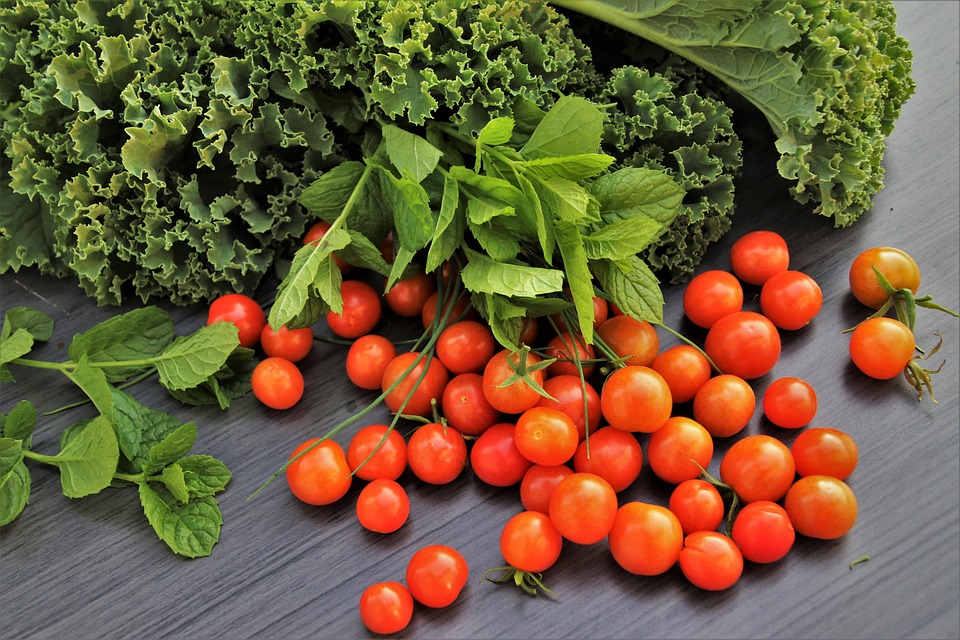
When combined with cherry tomatoes, this snack gains an infusion of vitamins, minerals, and antioxidants. Cherry tomatoes are a good source of Vitamin C, Vitamin K, and potassium, alongside the antioxidant lycopene. Lycopene is a carotenoid frequently studied for its presence in various bodily tissues.
This pairing offers a savory, refreshing, and nutritionally balanced snack that is low in carbohydrates and high in essential nutrients. Opt for cottage cheese with fewer additives to maximize its natural benefits.
- Key Nutrients: Casein Protein, Vitamin C, Vitamin K, Potassium, Lycopene, Calcium.
- Wellness Support: Muscle support, satiety, antioxidant contribution.
- Biochemical Note: Lycopene is a pigment and a type of carotenoid.
Simple Combination
Serve half a cup of cottage cheese with a handful of halved cherry tomatoes.
Roasted Chickpeas
Roasted chickpeas offer a wonderfully crunchy and savory snack that’s rich in plant-based protein and dietary fiber. This combination helps regulate blood sugar levels and promotes a feeling of fullness, making them an excellent choice for a mid-day energy boost.
Chickpeas are also a significant source of complex carbohydrates, providing sustained energy without rapid spikes. They contain important minerals such as iron, folate, magnesium, and zinc, which are vital for numerous physiological processes.
Roasting them at home allows you to control the seasonings and avoid excessive sodium or unhealthy oils. They can be seasoned with a variety of spices, adding flavor dimension without compromising nutritional integrity.
- Key Nutrients: Plant Protein, Fiber, Complex Carbohydrates, Iron, Folate, Magnesium, Zinc.
- Wellness Support: Satiety, digestive health, sustained energy.
- Biochemical Note: Iron is an essential mineral involved in oxygen transport.
Homemade Snack Instruction
Roast one cup of drained, rinsed, and dried chickpeas with a tablespoon of olive oil and your favorite spices until crispy.
Veggie Sticks with Hummus
This classic pairing is a fantastic way to increase your vegetable intake while enjoying a satisfying, nutrient rich snack. Various raw vegetables provide a wide array of vitamins, minerals, and dietary fiber, all with minimal calories.
Hummus, made from chickpeas, tahini (sesame paste), olive oil, and lemon juice, contributes plant-based protein, healthy fats, and more fiber. It’s also a source of folate, iron, and B vitamins, which support energy metabolism.
The combination of crunchy vegetables and creamy hummus offers both textural appeal and a comprehensive nutrient profile. This snack encourages hydration and supplies essential phytonutrients.
- Key Nutrients: Fiber, Vitamin A, Vitamin K, Vitamin C, Folate, Plant Protein, Healthy Fats, Iron.
- Wellness Support: Digestive health, hydration, micronutrient intake.
- Biochemical Note: Tahini provides essential fatty acids and minerals.
Effortless Pairing
Dip a selection of carrot sticks, cucumber slices, and bell pepper strips into a quarter cup of hummus.
Olives
Olives are a unique fruit, distinct for their high content of healthy monounsaturated fats, particularly oleic acid. They are also known for their rich supply of antioxidants, including various polyphenols. These compounds are frequently discussed in the context of cellular protection.
Beyond their fat and antioxidant profile, olives provide Vitamin E and iron, along with a notable amount of sodium due to their brining process. They are a convenient and flavorful snack that can contribute to a feeling of satisfaction.
Choosing whole, unpitted olives helps ensure you’re getting the complete spectrum of their natural compounds. They offer a savory, robust flavor profile that can be a welcome change from sweeter snacks.
- Key Nutrients: Monounsaturated Fats (Oleic Acid), Polyphenols, Vitamin E, Iron.
- Wellness Support: Satiety, antioxidant contribution, cellular protection.
- Biochemical Note: Polyphenols are a diverse group of compounds found in plants.
Snacking Method
Enjoy a small handful of about 5 to 10 olives as a flavorful, fat-rich snack.
Comparative Nutritional Snapshot of Selected Snacks
To illustrate the diverse nutrient contributions of these snacks, here’s a brief comparison of some key macronutrients and micronutrients across a few examples. Please remember these are approximate values for typical serving sizes and can vary.
| Snack | Protein (g) | Fiber (g) | Healthy Fats (g) | Notable Micronutrient |
|---|---|---|---|---|
| Hard-Boiled Eggs (2) | 12 | 0 | 10 | Choline, Vitamin D |
| Greek Yogurt w/ Berries (1/2 cup yogurt, 1/4 cup berries) | 10-15 | 2-4 | 0-5 | Probiotics, Vitamin C |
| Avocado (1/2) | 2 | 7 | 15 | Potassium, Vitamin K |
| Mixed Nuts & Seeds (1/4 cup) | 5-7 | 2-4 | 15-20 | Vitamin E, Omega 3s |
| Edamame (1/2 cup, shelled) | 8 | 4 | 4 | Folate, Magnesium |
This information is educational and not a substitute for medical advice. People with underlying conditions often work with a qualified healthcare professional for personalized guidance.
Frequently Asked Questions
What makes a snack “nutrient-dense”?
A snack is considered nutrient-dense when it provides a high amount of vitamins, minerals, protein, and healthy fats relative to its caloric content. These foods offer substantial nutritional benefits without excessive empty calories.
Can nutrient-dense snacks help with weight management?
Yes, nutrient-dense snacks, particularly those rich in protein and fiber, can contribute to feelings of fullness and satiety. This can help manage appetite and reduce the likelihood of overeating at subsequent meals, which may support weight management efforts.
Are these snacks suitable for all dietary preferences?
Many of these snacks are naturally suitable for various dietary preferences, including vegetarian and gluten-free diets. Plant-based options like edamame, roasted chickpeas, and vegetable sticks with hummus are excellent for those avoiding animal products. Adjustments might be needed for specific allergies or restrictions.
How often should I incorporate nutrient-dense snacks?
Incorporating one to two nutrient-dense snacks between main meals can be an effective strategy for maintaining stable energy levels and consistent nutrient intake. The ideal frequency depends on individual activity levels, hunger cues, and overall dietary goals.
The Bottom Line
Prioritizing nutrient-dense snacks is a straightforward yet impactful strategy for enhancing your daily nutritional intake and sustaining energy. Each small eating occasion becomes an opportunity to nourish your body with essential building blocks. By consciously choosing snacks that offer robust nutritional profiles, you actively support your overall wellness.
Focus on integrating a variety of these whole food options into your routine.
Get Your FREE Natural Health Guide!
Subscribe now and receive our exclusive ebook packed with natural health tips, practical wellness advice, and easy lifestyle changes, delivered straight to your inbox.