
Crafting Delicious Weight Loss Meals for Sustainable Wellness
Embracing a lifestyle that supports weight management doesn’t mean sacrificing flavor or culinary enjoyment. Many people seek practical, satisfying **weight loss meals** that fit seamlessly into their daily routine. The foundation of such meals lies in nutrient density, fiber content, and adequate protein to promote satiety and support overall well-being.
The goal isn’t restriction, but rather intelligent composition. By focusing on whole, unprocessed foods and understanding how different components contribute to feeling full and energized, you can create dishes that truly delight the palate. This approach makes pursuing wellness an enjoyable journey, not a temporary challenge.
Prioritizing balanced macronutrients within your meals is key. Including lean proteins, complex carbohydrates, and healthy fats helps to stabilize energy levels and reduce the urge for less supportive food choices. Preparing these meals doesn’t require extensive culinary skills; often, simple combinations yield the most impactful results.
Mediterranean Quinoa Bowl with Grilled Chicken
This vibrant bowl brings together a spectrum of textures and flavors, making it a highly satisfying option for lunch or dinner. Quinoa provides a complete protein and a substantial amount of dietary fiber, promoting a feeling of fullness that can support weight management. Its robust nutritional profile makes it an excellent base for various ingredients.
The inclusion of grilled chicken adds lean protein, which is essential for muscle maintenance and satiety. Fresh vegetables like cucumber, tomatoes, and bell peppers contribute vital vitamins, minerals, and additional fiber, without adding excessive calories. A light vinaigrette dressing, perhaps lemon and olive oil, enhances the flavors without heavy additions.
This meal exemplifies the Mediterranean eating pattern, which is often recognized for its emphasis on plant-based foods, healthy fats, and lean protein sources. It’s a harmonious blend that keeps you feeling satisfied and energized for hours after eating.
- Nutritional Highlights: High in fiber, lean protein, healthy fats, complex carbohydrates.
- Key Components: Quinoa, grilled chicken breast, mixed greens, cucumber, cherry tomatoes, bell pepper, feta cheese (optional), lemon-herb vinaigrette.
- Benefits for Wellness: Supports satiety, provides sustained energy, rich in antioxidants.
Preparation Guidance
Combine cooked quinoa with chopped vegetables and grilled chicken, then drizzle with a light lemon vinaigrette.
Lentil and Vegetable Soup
A hearty bowl of lentil soup offers exceptional nutritional value and is remarkably filling, making it an excellent choice for individuals exploring options to support weight goals. Lentils are a powerhouse of plant-based protein and soluble fiber, which can help promote digestive comfort and contribute to feeling full.
This soup is also incredibly versatile, allowing for the inclusion of a wide array of vegetables such as carrots, celery, spinach, and sweet potatoes. These additions boost the vitamin and mineral content, further enhancing the meal’s nutritional density. The warm, savory broth provides comfort and hydration.
Preparing a large batch of lentil soup is practical for meal prepping, ensuring nutritious options are readily available throughout the week. It’s a simple, cost-effective way to incorporate a beneficial source of plant protein into your regular diet.
- Nutritional Highlights: High fiber, plant-based protein, low glycemic index, rich in micronutrients.
- Key Components: Brown or green lentils, vegetable broth, diced carrots, celery, onion, spinach, crushed tomatoes, herbs (thyme, bay leaf).
- Benefits for Wellness: Promotes digestive health, supports satiety, versatile for various vegetables.
Usage Instructions
Simmer lentils with vegetables and broth until tender, then season to taste.
Salmon with Roasted Asparagus and Sweet Potato
This meal is a fantastic source of lean protein and essential fatty acids, making it a cornerstone for a wellness-focused eating plan. Salmon delivers omega 3 fatty acids, which are valued for general health support. Paired with the fiber-rich asparagus and complex carbohydrates of sweet potato, it forms a well-rounded and deeply satisfying plate.
Roasting vegetables brings out their natural sweetness and appealing texture. Asparagus provides vitamins K and folate, while sweet potatoes offer a good source of vitamin A and additional fiber. The combination ensures a steady release of energy, avoiding the sharp spikes and drops associated with simpler carbohydrates.
This meal demonstrates how healthful eating can be both elegant and simple to prepare. The interplay of savory salmon, slightly bitter asparagus, and sweet potato creates a balanced flavor profile that many people find enjoyable.
- Nutritional Highlights: Omega 3 fatty acids, lean protein, complex carbohydrates, high fiber.
- Key Components: Salmon fillet, fresh asparagus, sweet potato, olive oil, sea salt, black pepper.
- Benefits for Wellness: Supports general cellular health, provides sustained energy, rich in vitamins.
Recommended Protocol
Bake salmon and roasted vegetables with a light drizzle of olive oil until cooked through.
Chicken and Vegetable Stir-Fry with Brown Rice
A chicken and vegetable stir-fry is a quick, adaptable, and highly nutritious meal that perfectly supports a balanced eating approach. Lean chicken breast provides ample protein, crucial for maintaining muscle mass and promoting a sense of fullness. The beauty of a stir-fry lies in its flexibility to incorporate a wide array of colorful vegetables.
Broccoli, bell peppers, snow peas, and carrots are common additions, each contributing different vitamins, minerals, and antioxidants. These vegetables add volume and fiber to the meal without contributing excessive calories. Serving the stir-fry over brown rice introduces complex carbohydrates, which offer a steady energy release.
Using a light, savory sauce made with low-sodium soy sauce or tamari, ginger, and garlic ensures a flavorful dish without relying on heavy, calorie-dense condiments. This meal is an excellent way to ensure a diverse intake of plant-based nutrients alongside lean protein.
- Nutritional Highlights: Lean protein, diverse micronutrients, complex carbohydrates, high fiber.
- Key Components: Chicken breast, broccoli, bell peppers, snow peas, carrots, ginger, garlic, low-sodium soy sauce, brown rice.
- Benefits for Wellness: Promotes nutrient diversity, provides sustained energy, adaptable to seasonal vegetables.
Culinary Action
Sauté chopped chicken and vegetables with a light sauce, then serve over cooked brown rice.
Egg and Avocado Toast on Whole-Grain Bread
This simple yet sophisticated meal offers a robust combination of protein, healthy fats, and complex carbohydrates, making it a superb choice for breakfast or a light lunch. Eggs are often recognized as a complete protein source, providing all essential amino acids and contributing significantly to satiety.
Avocado supplies monounsaturated fats, which are generally considered beneficial for overall health and contribute to feeling full. Paired with fiber-rich whole-grain bread, this meal delivers sustained energy, helping to manage hunger throughout the morning or afternoon.
The combination of creamy avocado with the savory egg creates a delightful texture and flavor profile. It’s a testament to how simple, whole ingredients can be combined to form a truly satisfying and nourishing meal.
- Nutritional Highlights: High protein, healthy fats, complex carbohydrates, fiber.
- Key Components: Whole-grain bread, eggs (scrambled or poached), avocado, a pinch of chili flakes or everything bagel seasoning.
- Benefits for Wellness: Supports satiety, provides sustained energy, rich in vitamins and minerals.
Preparation Suggestion
Toast whole-grain bread, top with mashed avocado, and finish with a cooked egg.
Black Bean Burgers with Whole-Wheat Buns and Salad
For a plant-forward option, black bean burgers offer a satisfying and fiber-rich alternative to traditional meat burgers. Black beans are an excellent source of plant-based protein and dietary fiber, both of which are crucial for promoting satiety and supporting digestive health.
These burgers are often made with a blend of vegetables, oats, and spices, adding to their nutritional complexity and flavor. Served on a whole-wheat bun, the meal provides complex carbohydrates for sustained energy. Accompanying a fresh side salad boosts the overall vegetable intake.
This meal demonstrates that healthful eating can easily include familiar and comforting foods, simply by choosing nutrient-dense ingredients. It’s a flavorful and substantial option that can help keep you feeling satisfied.
- Nutritional Highlights: Plant-based protein, high fiber, complex carbohydrates.
- Key Components: Black bean patty, whole-wheat bun, lettuce, tomato, onion, mustard, side salad with light dressing.
- Benefits for Wellness: Supports digestive health, provides sustained energy, excellent plant-based option.
Assembly Instructions
Prepare black bean burgers, serve on whole-wheat buns with desired toppings, and pair with a fresh green salad.
Greek Yogurt with Berries and Nuts
This simple yet incredibly nutritious meal or snack is packed with protein and beneficial compounds. Greek yogurt is an excellent source of protein, significantly more so than regular yogurt, which contributes to its ability to promote satiety and help manage hunger.
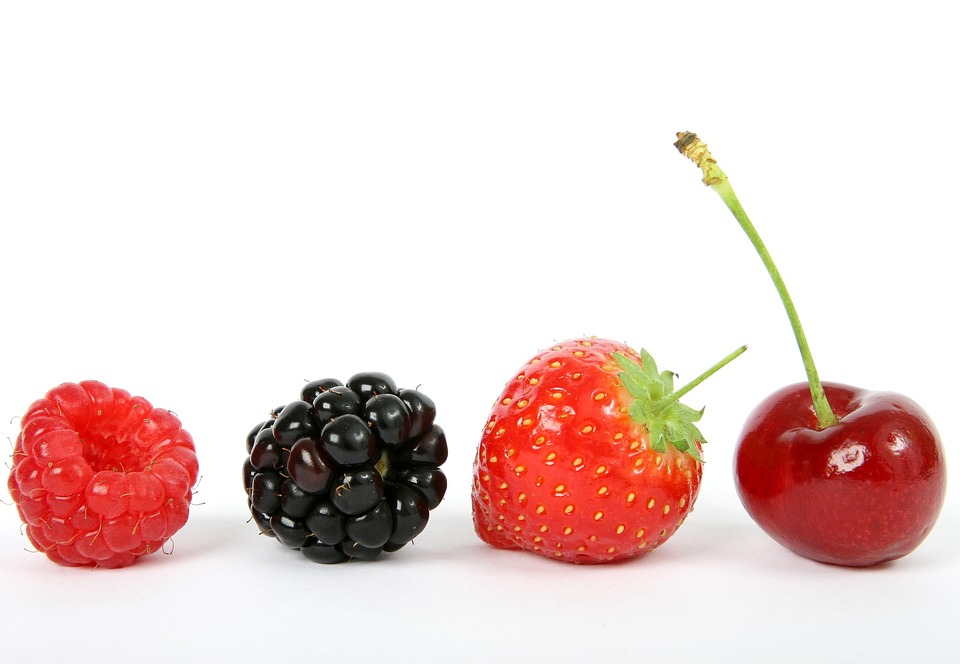
Berries like blueberries, raspberries, and strawberries are rich in antioxidants and fiber, adding natural sweetness and nutritional value without a large calorie contribution. A small handful of nuts such as almonds or walnuts provides healthy fats and additional fiber, further enhancing the meal’s ability to keep you feeling full. Research from the National Institutes of Health shows fiber is key for digestive function.
This combination makes for a quick and easy option that can be enjoyed at any time of day. It’s a smart choice for those seeking to incorporate more protein and fiber into their daily intake through delicious options.
- Nutritional Highlights: High protein, healthy fats, fiber, antioxidants.
- Key Components: Plain Greek yogurt, mixed berries, almonds or walnuts.
- Benefits for Wellness: Supports satiety, provides energy, rich in probiotics (from yogurt).
Serving Suggestion
Layer Greek yogurt with fresh berries and a sprinkle of nuts for a satisfying meal.
Turmeric Chickpea and Spinach Curry
This flavorful curry is a plant-based powerhouse, rich in fiber and protein from the chickpeas. Chickpeas are versatile legumes that provide a significant amount of plant protein and dietary fiber, making them an excellent ingredient for creating satisfying, wellness-supporting meals.
Turmeric, a key spice in many curries, contributes its distinct flavor and is often explored for its properties. Combined with nutrient-dense spinach, this curry becomes a robust source of various vitamins and minerals. The warmth and depth of flavor in a curry can be incredibly comforting and satisfying.
Serving this curry with a small portion of brown rice helps to round out the meal with complex carbohydrates, providing a steady release of energy. It’s a wonderful way to enjoy a flavorful, plant-focused meal that also aligns with supportive eating patterns.
- Nutritional Highlights: Plant-based protein, high fiber, diverse micronutrients.
- Key Components: Chickpeas, spinach, coconut milk (light), turmeric, ginger, garlic, onion, spices (cumin, coriander), brown rice (optional).
- Benefits for Wellness: Supports digestive comfort, offers sustained satiety, rich in plant-based nutrients.
Cooking Method
Sauté aromatic vegetables and spices, add chickpeas, spinach, and light coconut milk, then simmer until flavors meld.
Oatmeal with Chia Seeds and Fruit
Starting the day with oatmeal is a time-tested strategy for sustained energy and a feeling of fullness. Oats are a complex carbohydrate rich in soluble fiber, particularly beta-glucan, which can contribute to satiety and support digestive health.
Adding chia seeds boosts the fiber and healthy fat content, creating a thicker, more satisfying texture. Chia seeds absorb liquid and expand, contributing to a sense of fullness. Fresh fruit like sliced apples, bananas, or peaches adds natural sweetness, vitamins, and additional fiber.
This meal is highly customizable and can be prepared in various ways, from stovetop cooking to overnight oats. It’s a simple, warm, and comforting option that provides a strong nutritional foundation for the day.
- Nutritional Highlights: High soluble fiber, complex carbohydrates, omega 3 fatty acids (from chia).
- Key Components: Rolled oats, chia seeds, water or unsweetened almond milk, fresh fruit (berries, apple slices), a sprinkle of cinnamon.
- Benefits for Wellness: Promotes sustained energy, supports digestive comfort, contributes to satiety.
Preparation Note
Cook oats with water or milk, stir in chia seeds, and top with fresh fruit before serving.
Sheet Pan Lemon Herb Chicken and Vegetables
This meal is prized for its simplicity, minimal cleanup, and incredible flavor, all while delivering significant nutritional benefits. Lean chicken offers high-quality protein, which is essential for muscle maintenance and promoting a lasting sense of fullness.
The “sheet pan” method allows for a wide variety of non-starchy vegetables to be roasted alongside the chicken, maximizing nutrient intake. Broccoli, zucchini, bell peppers, and carrots caramelize beautifully when roasted, enhancing their natural sweetness and appealing texture. A simple dressing of lemon juice, olive oil, and herbs elevates the entire dish.
This approach ensures a balanced meal with protein, complex carbohydrates (from the vegetables), and healthy fats, without the need for multiple cooking steps. It’s a perfect example of how nutritious eating can also be convenient and delicious.
- Nutritional Highlights: Lean protein, diverse vitamins and minerals, healthy fats, fiber.
- Key Components: Chicken thighs or breast, broccoli florets, zucchini slices, bell pepper strips, red onion, olive oil, lemon juice, dried herbs (oregano, thyme).
- Benefits for Wellness: Convenient preparation, nutrient-dense, supports satiety.
Culinary Application
Toss chicken and vegetables with olive oil, lemon juice, and herbs on a sheet pan, then roast until cooked and tender.
Comparative Nutritional Aspects of Selected Weight Loss Meals
Understanding the general nutritional contributions of various meals can help in making informed choices. While precise values vary based on preparation and portion sizes, this table offers a high-level comparison.
| Meal Type | Primary Protein Source | Key Carbohydrate | Fiber Content | General Satiety Factor |
|---|---|---|---|---|
| Mediterranean Quinoa Bowl | Grilled Chicken, Quinoa | Quinoa, Vegetables | High | Very High |
| Lentil and Vegetable Soup | Lentils | Lentils, Vegetables | Very High | Very High |
| Salmon with Roasted Veggies | Salmon | Sweet Potato, Asparagus | High | High |
| Chicken and Vegetable Stir-Fry | Chicken Breast | Brown Rice, Vegetables | High | High |
| Greek Yogurt with Berries & Nuts | Greek Yogurt | Berries | Medium-High | High |
Frequently Asked Questions
How important is protein for meals intended to support weight management?
Protein plays a significant role because it can contribute to a feeling of fullness and supports muscle maintenance. Including adequate protein in meals helps manage hunger throughout the day, which can support overall food intake goals.
Are all calories equal when thinking about meal composition?
While the total calorie count is a consideration, the source of those calories matters significantly. Calories from whole, nutrient-dense foods that are rich in fiber and protein often contribute more to satiety and sustained energy compared to those from highly processed options. Focusing on nutrient quality alongside quantity is often discussed.
Can I still enjoy treats or occasional indulgent foods?
Yes, a balanced and sustainable approach to wellness often includes flexibility. The focus is on establishing a pattern of nutrient-dense meals most of the time. Occasional treats can be incorporated thoughtfully without undermining overall progress, which many people find helpful for long-term adherence.
How can I ensure these meals are genuinely delicious?
The key to delicious, health-supportive meals lies in fresh ingredients, smart seasoning, and proper cooking techniques. Experiment with herbs, spices, citrus, and healthy fats like olive oil to enhance flavors. Don’t be afraid to adjust recipes to suit your personal taste preferences.
The Bottom Line
Creating **weight loss meals** that you genuinely look forward to eating is a cornerstone of sustainable wellness. By focusing on whole, nutrient-dense ingredients that are rich in protein and fiber, you can craft dishes that are both satisfying and supportive of your health goals. It’s about empowering yourself with knowledge and making informed choices that nourish your body and delight your senses. People with underlying conditions often work with a qualified healthcare professional for personalized guidance. This information is educational and not a substitute for medical advice.
The next step is to explore incorporating a few of these meal ideas into your weekly routine, beginning with your favorites.
Get Your FREE Natural Health Guide!
Subscribe now and receive our exclusive ebook packed with natural health tips, practical wellness advice, and easy lifestyle changes, delivered straight to your inbox.