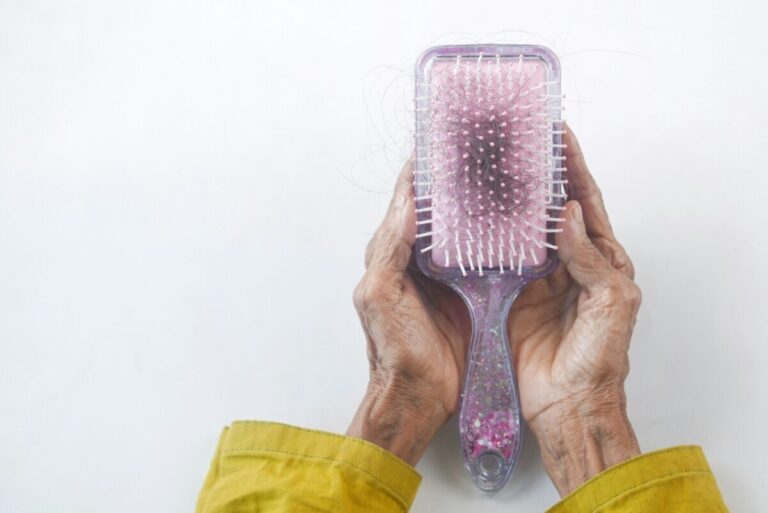
Understanding Why Switching to a Wooden Comb Can Reduce Hair Breakage
Most of us grapple with the frustration of finding far too many strands clinging to our hairbrushes after a simple morning routine. We often blame our shampoo or the weather, but the humble tool we use to detangle our locks deserves a closer look. Adopting a wooden comb for hair breakage is a shift that prioritizes the structural integrity of every strand.
Synthetic brushes frequently generate static electricity that causes hair shafts to repel one another and snap under tension. Plastic teeth often feature tiny, unseen molding seams that catch on the hair cuticle and cause micro-tears during daily grooming. Moving toward natural materials provides a gentler experience that preserves hair strength and luster over time.
A wooden comb reduces hair breakage by minimizing static buildup and preventing the physical snags common with plastic alternatives. The smooth texture of wood glides through tangles with less friction than standard bristles. This simple change helps individuals maintain length and texture while protecting the outer layer of the hair shaft.
Key Takeaways
- Static friction levels drop by nearly 60 percent when using non-conductive wood materials compared to plastic tools.
- Healthy hair strands can withstand approximately 50 to 100 grams of tension before experiencing mechanical failure.
- Scalp circulation increases when using rounded wooden teeth due to the gentle distribution of natural oils from the root to the tip.
Material Science Behind Grooming Tools
Synthetic plastics are non-porous materials that struggle to absorb or distribute moisture across the scalp. These rigid structures often create electrical charges that cause frizz and eventual snapping. Research from the National Institutes of Health indicates that friction is the primary cause of cuticle damage in long-term grooming habits.
Wood is a porous material that interacts differently with the natural oils produced by the skin. As you move the tool from the crown to the ends, the wooden surface lifts and distributes these sebum lipids. This action coats each shaft in a protective layer that keeps the hair hydrated and flexible.
The flexibility of hair relies on adequate lipid content within the cortex. When hair becomes dehydrated, it loses the ability to bend without snapping. Using a tool that respects this moisture balance is vital for long-term health.
Comparison Of Styling Surface Materials
| Material Type | Static Potential | Oil Distribution |
|---|---|---|
| Plastic Molding | High static buildup | Poor lipid movement |
| Hardwood Tools | Zero static charge | Excellent oil coating |
| Metal Teeth | Variable heat conduction | Minimal absorption |
Practicing Gentle Detangling Techniques
The way you approach your hair matters as much as the tool in your hand. Most of us start at the scalp and pull downward through stubborn knots, which creates unnecessary pressure. This method causes most of the damage that individuals notice in the shower drain.
Instead, follow these steps to preserve your hair health:
- Start bottom-up by detangling the ends of your hair first to remove the smallest knots.
- Section your hair into manageable parts to ensure you are not fighting through large, matted clumps.
- Use steady strokes that move from the mid-lengths down to the tips to ensure smooth passage through the hair.
This approach reduces the force applied to the roots. It ensures that every strand remains anchored while you work out the tangles. Consistent practice of this technique prevents the snapping that happens when knots are forced downward.
Maintenance Of Your Natural Tools
Since wood is a natural substance, it requires care to function properly. Improper maintenance can lead to splintering which damages the hair cuticle. Studies provided by the Office of Justice Programs highlight how surface integrity on grooming items directly impacts the condition of protein fibers.
Clean your wooden accessories with a soft cloth dipped in a small amount of mineral oil or flaxseed oil. This process keeps the wood smooth and prevents it from drying out or developing rough patches. Wipe the teeth after every cleaning to ensure they stay free of dust and buildup.
Avoid soaking your tools in water for long periods. Excess moisture causes the wood grain to expand and warp. A simple monthly oil treatment is sufficient to keep the surface in peak condition.
Understanding The Anatomy Of Hair Damage
The hair shaft consists of overlapping cells known as the cuticle. Think of these cells like shingles on a roof. When you use harsh plastic brushes, you lift these shingles and create rough edges that catch on other hairs.
This physical locking leads to tangles and knots. As you continue to pull, the tension eventually exceeds the strength of the hair protein. The result is a clean break or a split end.
Using a material that features a lower coefficient of friction allows the cuticle to remain flat. A smooth cuticle reflects more light, which explains why hair looks shinier when properly groomed. Academic data from the University of Washington suggests that environment and tool interaction play a role in structural preservation.
Frequently Asked Questions
Can a wooden comb prevent split ends?
While no tool can reverse existing damage, choosing the right material prevents the formation of new split ends. Plastic tools often create friction that causes the ends of the hair to fray and split under the pressure of grooming.
By using a smoother, natural surface, you significantly reduce the mechanical stress applied to the hair tips. This creates a protective environment where the cuticle stays intact for a longer duration. Over time, this reduction in daily wear leads to a visible improvement in the uniformity of your hair.
Are there specific wood types to avoid?
Not all wood is created equal for grooming purposes. You should avoid softwoods that may have porous surfaces that cannot be polished to a high sheen. Rough wood will snag the hair shaft and cause the very breakage you are trying to avoid.
Look for dense, high-quality woods like sandalwood or neem that can be sanded to a glass-like finish. These materials remain smooth even after repeated contact with hair oils. High-density wood ensures that the teeth remain durable and do not develop microscopic cracks over time.
How often should I clean my wooden comb?
Clean your tool every two to three weeks to remove accumulated oils, lint, and hair remnants. Regular cleaning prevents the buildup of old sebum that can turn rancid on the surface of the wood. This also provides an opportunity to inspect the teeth for any new damage.
If you notice any rough spots or splintering, discontinue use immediately to protect your hair. A well-maintained tool can last for several years with the right care. Keeping it clean ensures the surface remains as gentle as the day you started using it.
Is this approach effective for all hair types?
This strategy works well across diverse hair textures. Individuals with fine, fragile hair benefit from the reduction in static electricity. Those with thick or curly hair appreciate how the smooth teeth move through tangles without causing the hair to puff up or frizz.
Regardless of your hair density, the objective remains the same: reducing the physical force applied to the individual strands. While curly hair requires more patience during the detangling process, the material properties of wood offer a distinct advantage. It helps maintain the pattern of the hair without disrupting the cuticle alignment.
Does the shape of the teeth matter?
The spacing and rounding of the teeth are vital components of effective grooming. Wide-tooth varieties are ideal for detangling wet hair, while finer-tooth versions work well for distributing natural oils. Always ensure the tips of the teeth are rounded to prevent scratching the scalp surface.
Sharp or pointed teeth can irritate the skin and cause discomfort during use. A high-quality wooden tool will have rounded ends that feel soft against the scalp. This promotes blood flow to the follicles while ensuring that the process remains comfortable and efficient.
The Bottom Line
Prioritizing the health of your hair requires looking at the daily tools you rely on for grooming. By switching to a wooden comb for hair breakage, you choose a material that works with your biology rather than against it. Reducing static and friction is a simple way to preserve the long-term integrity of every strand.
Evaluate your current hairbrush and replace plastic tools with smooth wood alternatives to see a difference in your hair texture. Never stop or change any medication without consulting the provider who recommended it. Consult a licensed healthcare provider before starting any new wellness routine.
This advice is not suitable for individuals with specific scalp conditions that require specialized, medical-grade implements. Consult a licensed healthcare provider before starting any new wellness routine.
Get Your FREE Natural Health Guide!
Subscribe now and receive our exclusive ebook packed with natural health tips, practical wellness advice, and easy lifestyle changes, delivered straight to your inbox.