Addressing Thinning Strands And Graying Pigment With Black Sesame Seeds For Hair Color
I find myself staring at the mirror more often these days, tracing the subtle shifts in my own reflection. Aging feels like a slow, quiet arrival that manifests in the smallest details of our physical appearance. Many individuals search for gentle, nature-based support to manage these transitions without relying on harsh artificial modifications.
The concept of using nutrient-dense seeds to influence our outward appearance is rooted in long-standing cultural traditions. Science now looks at the specific fatty acid profiles and mineral content present in these tiny, dark husks to see how they interact with our internal systems. We must view these dietary additions as part of a broad, healthy lifestyle rather than a quick fix for complex biological changes.
Can black sesame seeds for hair color really work? While the seeds provide essential amino acids and minerals like copper that support normal pigment production, they cannot reverse established graying or restore natural shade to follicles that have lost their original coloration. These seeds offer excellent nutritional density that nourishes the scalp and strengthens existing strands from the inside out.
Key Takeaways
- Black sesame seeds contain approximately 3.5 milligrams of copper per 100 grams, which is a vital cofactor for the enzyme tyrosinase involved in pigmentation.
- Research from the National Institutes of Health notes that severe copper deficiency can lead to hair depigmentation and impaired structural integrity.
- Studies published by the National Library of Medicine highlight that the sesamin content in these seeds may help reduce oxidative stress markers in the skin and scalp.
Nutritional Profile And Structural Support
Our follicles require a steady supply of building blocks to maintain their strength and luster. Black seeds are particularly rich in linoleic acid and oleic acid which help keep the scalp hydrated. A dry, neglected scalp often struggles to produce resilient, healthy growth.
Minerals act as the unseen workers in our biology. Zinc and iron are found in these seeds in notable amounts. These two minerals contribute to the regular cycle of shedding and regrowth that occurs daily.
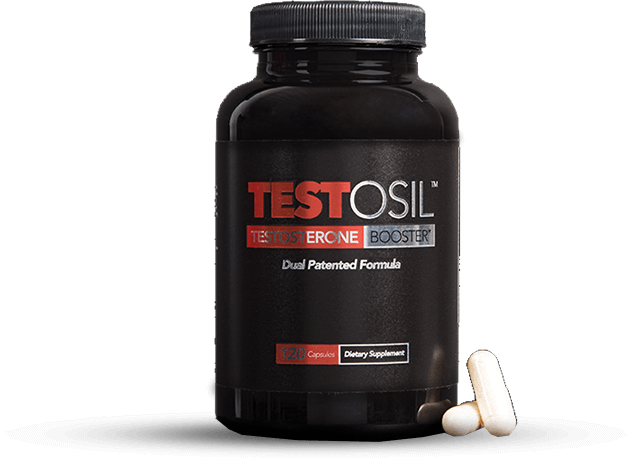
Testosil™ Botanical Formula
- Designed to work seamlessly with male physiology to provide foundational support
- Helps maintain peak physical endurance, daily vitality, and natural balance
- Manufactured in a cGMP-compliant, FDA-registered facility without harsh synthetic hormones
Understanding Pigment Production Factors
Hair shade depends on the amount of melanin produced by specialized cells within the follicle. As we age, the activity of these cells naturally slows down. External nutrients cannot force these cells to resume their youthful pace once they have moved into a quiescent state.
Genetic markers dictate the timing and pattern of graying for most individuals. Nutrition plays a supporting role by ensuring the body has the raw materials needed for standard cell function. Expecting a dietary ingredient to alter the biological clock ignores the complexity of our internal genetic code.
| Nutrient Component | Typical Concentration | Biological Function |
| Copper Levels | High Density | Supports Pigment Synthesis |
| Fatty Acids | Omega Six Rich | Maintains Scalp Moisture |
| Protein Content | Amino Acid Dense | Builds Keratin Strength |
The Role Of Antioxidant Compounds
Oxidative stress represents a major challenge for aging cells throughout the body. The United States Department of Agriculture databases identify these seeds as significant sources of lignans. These compounds help maintain cellular balance by neutralizing environmental irritants that can damage our follicles.
A healthy scalp environment is the primary requirement for strong growth. By reducing the load of environmental stress on the scalp, we provide the best possible conditions for our natural growth patterns. Think of this as creating a fertile garden for your strands to thrive within.
Practical Daily Incorporation Strategies
Consistency matters more than quantity when adding small seeds to your meals. You can easily integrate them into your routine to ensure you receive a steady supply of beneficial plant fats. Use these methods to keep your intake balanced and enjoyable.
- Morning Smoothies: Add one tablespoon to your favorite fruit or vegetable blend for a nutty flavor profile.
- Salad Toppings: Sprinkle the toasted variety over leafy greens to add a satisfying crunch and extra fiber.
- Yogurt Bowls: Mix them into Greek yogurt with berries to create a balanced snack that supports sustained energy.
Demonstrating Nutritional Density In Your Diet
To understand the value of these seeds, consider the math of a balanced plate. A typical serving size is roughly 15 grams or one tablespoon. This amount provides approximately 100 calories of energy along with significant plant minerals.
If you consume this amount five times a week, you add 75 grams of nutrient dense material to your monthly intake. This steady inclusion ensures your system has access to copper and B vitamins without overwhelming your daily calorie budget. You gain more value from this slow, steady approach than from sporadic, heavy consumption.
Frequently Asked Questions
Do these seeds provide enough nutrients to stop graying?
Graying is primarily driven by genetics and the natural aging of melanocytes within the follicle. No single food item has the capacity to stop or reverse this process once it begins.
Maintaining a balanced diet helps your body function at its peak, but it does not bypass your inherent biological blueprint. Always look at these seeds as a way to support overall health rather than a way to change your hair color.
Is there a risk of consuming too many seeds?
Eating these seeds in moderate amounts is generally safe for most people. They are high in caloric density, which is a factor to consider if you are monitoring your daily energy intake.
Some individuals might experience digestive discomfort if they increase their fiber intake too quickly. Introduce them to your meals slowly and observe how your body responds to the change.
How long until I see results from eating them?
Changes in follicle strength or scalp hydration take weeks to months to become noticeable. Hair growth happens at a very slow pace, typically half an inch per month for most individuals.
You must practice patience when assessing any dietary adjustment for your physical health. Consistency over several months is the only way to evaluate if the addition benefits your routine.
Can I apply the oil directly to my scalp?
Applying the pressed oil to the scalp can provide moisture and a protective barrier for dry hair strands. This approach helps with surface shine and manageability rather than internal pigment change.
Ensure you use cold pressed or high quality versions of the oil to avoid impurities. Patch test a small area on your skin before applying it to your entire scalp to check for sensitivity.
Does roasting the seeds change their nutritional value?
Roasting the seeds can alter the heat sensitive vitamins, but it usually keeps the mineral content intact. Many people prefer the taste and digestibility of the toasted version over raw seeds.
Choose the form that encourages you to eat them consistently as part of your meals. The best nutritional strategy is one that you can actually maintain over the long term.
The Bottom Line
While the prospect of using black sesame seeds for hair color is a popular wellness topic, the scientific reality is more grounded in general nutrition than dramatic pigment restoration. These seeds offer a wealth of minerals and healthy fats that support the structural integrity of your hair and the health of your scalp.
Focus on incorporating these nutrient dense seeds into a varied, whole foods diet to gain the most significant benefit for your overall wellness. Never stop or change any medication without consulting the provider who recommended it. Consult a licensed healthcare provider before starting any new wellness routine.
Individuals with specific allergies or underlying health concerns should verify their dietary choices with a professional. Consult a licensed healthcare provider before starting any new wellness routine.
Get Your FREE Natural Health Guide!
Subscribe now and receive our exclusive ebook packed with natural health tips, practical wellness advice, and easy lifestyle changes, delivered straight to your inbox.