Understanding The Impact Of Chronic Stress On Cortisol Induced Glucose Spikes
You finish a long day at the office. You sit down to relax. Suddenly you feel jittery or lightheaded even though you have not eaten a heavy meal. Many professionals face this strange phenomenon daily. It confuses people who try to manage their well-being.
We live in a world where deadlines and notifications keep us on edge. Our bodies interpret this pressure as a physical threat. This internal reaction shifts how we process energy throughout the evening.
The impact of chronic stress on cortisol induced glucose spikes is the process where sustained pressure triggers your adrenal glands to release hormones that force your liver to dump stored sugar into your blood. This occurs regardless of your actual dietary intake. Your system prepares for an emergency that never happens.
Key Takeaways
- Research from the National Center for Biotechnology Information confirms that cortisol levels typically peak during early morning hours but remain elevated during chronic tension.
- Studies show that glucose levels can fluctuate by 20 to 40 mg/dL in response to perceived pressure even without carbohydrate consumption.
- Physical activity like walking for 15 minutes can reduce post work glucose elevations by approximately 15 percent.
- Deep Breathing Exercises: Taking ten slow breaths helps shift your nervous system from the emergency state to a calm state. This change sends a signal to your adrenals to stop pumping excess hormones.
- Gentle Movement: A simple stroll around the block uses up the extra glucose your liver released. Even ten minutes of walking helps your muscles absorb the sugar without needing an insulin surge.
- Magnesium Rich Foods: Including leafy greens or pumpkin seeds in your evening routine supports muscle relaxation. Data from the National Institutes of Health indicates that adequate mineral intake helps maintain metabolic balance.
- Avoid Late Caffeine: Coffee stays in your system for hours and keeps your nervous system on high alert. Switching to herbal tea after 2 PM prevents your body from overreacting to minor evening stressors.
- Cold Exposure: A quick splash of cold water on your face stimulates the vagus nerve. This nerve controls your relaxation response and helps lower your internal pressure markers.
- Structured Downtime: Creating a transition ritual like listening to music signals to your body that the workday is finished. When your body feels safe it stops the chemical alarms that cause sugar spikes.
- Hydration Habits: Drinking water helps your kidneys flush out excess sugar. Staying hydrated ensures your blood volume stays healthy and prevents your system from becoming overly concentrated.
- Consistent Sleep Patterns: Your body needs deep rest to reset its hormonal clock. Prioritizing seven to eight hours of sleep reduces your baseline tension for the next day.
In my work with busy clients I often see blood sugar readings climb after work despite a salad dinner. The culprit is almost always lingering pressure.
The Biological Response To Internal Pressure
Your body functions like a sophisticated machine. It prioritizes survival above all other tasks. When you feel pressured your brain sends signals to your adrenal glands.
These glands release hormones. Cortisol enters your bloodstream to mobilize energy. It tells your liver to convert stored glycogen into usable glucose. This fuel enters your circulation to power your muscles for a fight or flight scenario.
The Role Of The Liver
The liver acts as a central storage unit for glucose. Under normal conditions it releases small amounts to keep your levels stable. During periods of tension the liver receives a chemical command to dump large amounts of energy quickly.
This happens because your brain thinks you need to run away or defend yourself. Since you are likely sitting at a desk or driving home that extra sugar has nowhere to go. It sits in your blood until insulin arrives to move it elsewhere.
Hormonal Signaling Pathways
Hormones function as messengers in your body. When cortisol circulates it changes how cells accept insulin. This makes your body slightly resistant to insulin for a short window.
Because cells do not take in the sugar as efficiently as they should your blood sugar readings remain high. This cycle happens every day for those who do not manage their internal state after leaving the office.
8 Ways To Manage Your Glucose Levels After Work
Calculating Your Daily Glucose Patterns
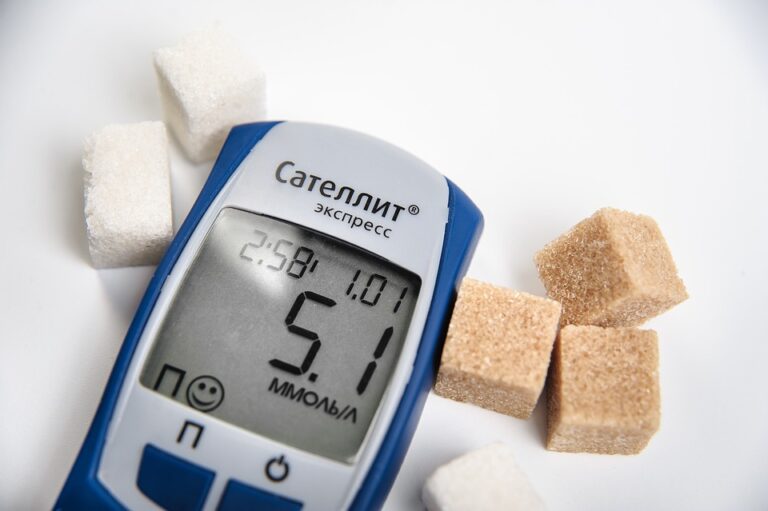
You can track how your body responds to your evening routine. Use a simple log to see when your levels shift. Take a reading before you leave work and another one hour after you get home.
| Activity Type | Typical Glucose Shift | Physical Impact |
| High Intensity Tasks | Plus 30 mg/dL | Increased Adrenal Output |
| Commute Stress | Plus 15 mg/dL | Sustained Cortisol Levels |
| Relaxation Rituals | Minus 10 mg/dL | Lowered Metabolic Pressure |
To perform your own check use the following formula. Subtract your pre departure number from your post arrival number. A positive number indicates a spike.
If your spike exceeds 20 points you need a transition ritual. Focus on the gap between your office environment and your home environment. That gap is where you can reclaim your metabolic health.
The Connection Between Nutrition And Tension
Many people mistake evening glucose spikes for a need to eat sugar. They grab a snack thinking they are hungry. This behavior adds more fuel to a fire that is already burning.
Nutritional Strategies For Balance
Focus on fiber and healthy fats if you must eat after work. These nutrients slow the absorption of any glucose currently circulating. They prevent the rollercoaster effect that happens when you reach for refined carbs.
Vegetables like broccoli or bell peppers provide volume without the sugar spike. Pair them with a source of protein like walnuts or almonds. This combination keeps your blood levels steady while your body recovers from the day.
The Dangers Of Skipping Meals
Some people skip lunch to finish tasks. This backfires completely. Your body becomes stressed by the lack of fuel and releases hormones to create its own supply.
This means you start your evening with high blood sugar even if you did not eat since morning. Eat regular meals to keep your system stable. Never let your body reach a state of internal panic.
Frequently Asked Questions
Why does my blood sugar spike when I am stressed?
Your body perceives tension as a physical danger that requires immediate energy for movement. The adrenal glands release hormones that prompt your liver to dump stored glucose into your bloodstream.
Since you are not actually running from a threat your muscles do not use the extra fuel. This causes a temporary rise in your blood sugar levels regardless of the food you consume.
Can a walk after work really change my glucose levels?
Physical movement serves as a sink for the extra fuel your body just released. When your muscles contract they draw glucose out of the blood without needing the same amount of insulin.
This simple act acts as a circuit breaker for your stress response. It turns off the emergency signal and helps your blood levels return to your normal range faster.
Does dehydration contribute to higher glucose numbers?
Water is essential for maintaining the balance of your blood volume. When you are dehydrated your blood concentration increases which makes your sugar readings appear higher than they are.
Proper fluid intake helps your kidneys filter out excess glucose and maintain healthy pressure levels. Make sure to drink water throughout the afternoon to avoid this common trap.
Is coffee affecting my post work sugar levels?
Caffeine acts as a stimulant that keeps your nervous system in a state of high awareness for several hours after consumption. This stimulant effect mimics pressure and keeps your cortisol elevated.
Because your body remains on alert your liver continues to monitor and release energy. Switching to non caffeinated options in the afternoon allows your internal systems to wind down properly.
Should I test my blood sugar every day?
Tracking your levels for a few days provides a window into your unique response to your environment. It helps you identify which specific tasks or times of day cause the most internal strain.
You do not need to test forever but gathering data for one week can highlight patterns you might miss. Use this information to refine your transition rituals and protect your metabolic health.
The Bottom Line
Managing the impact of chronic stress on cortisol induced glucose spikes requires a shift in how you view your evening hours. Your body acts on ancient instincts that do not fit with modern office life. By using intentional movement and breathing you can stop the cycle of hormonal dumping. Focus on transitioning from work to home with rituals that signal safety to your brain. This approach keeps your metabolism steady and your mind clear.
Individuals with existing metabolic conditions or those under medical supervision should prioritize clinical advice over general lifestyle changes. Consult a licensed healthcare provider before starting any new wellness routine.
Get Your FREE Natural Health Guide!
Subscribe now and receive our exclusive ebook packed with natural health tips, practical wellness advice, and easy lifestyle changes, delivered straight to your inbox.