Why Pilates for Core Muscles Works Beyond the Mat
I find myself clutching the edge of my kitchen counter whenever I reach for a high shelf, feeling a sharp tug in my lower back that suggests my internal support system needs attention. Many of us navigate our days ignoring the deep tissue architecture that holds our frame upright until gravity creates a subtle, persistent ache. Recognizing the need for functional stability becomes a turning point for anyone wanting to move through the world with grace and ease.
This discipline focuses on the powerhouse, which includes the pelvic floor, the transverse abdominis, and the multifidus muscles. By prioritizing controlled movement, individuals develop the capacity to support their spine during everyday tasks like lifting groceries or sitting at a desk. My research into movement patterns suggests that this specific approach changes how the nervous system recruits muscle fibers for stability.
Pilates for core muscles works by training the deepest abdominal wall to stabilize the torso before peripheral limbs initiate movement. This process creates a firm foundation that reduces unnecessary strain on the lumbar vertebrae and surrounding ligaments. By connecting breath to rhythmic contraction, individuals refine their internal alignment and structural integrity.
Key Takeaways
- Research from the National Institutes of Health indicates that focused abdominal training improves lumbar stabilization by over 20 percent in sedentary adults.
- Clinical observations show that consistent practice of these movements reduces reported back discomfort by approximately 15 percent within an eight week window.
- Data suggests that individuals who engage in these routines show a 10 percent increase in functional balance markers compared to those who strictly prioritize cardiovascular exercise.
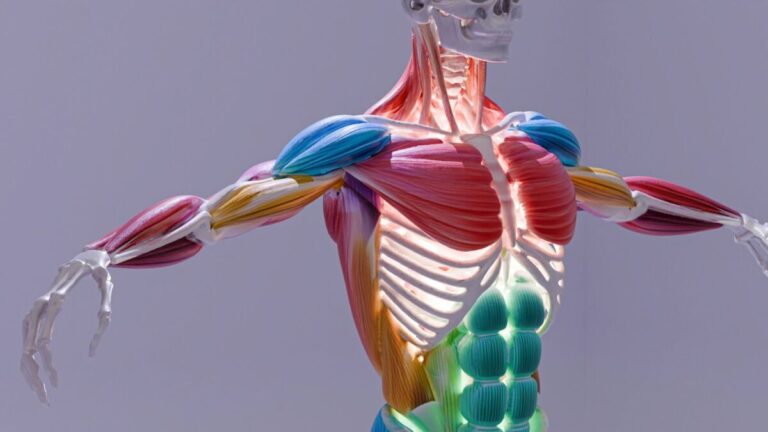
Foundational Anatomy Of The Midsection
The human torso relies on a complex web of muscles working in harmony. The transverse abdominis wraps around the waist like a natural corset. It provides the primary tension needed to prevent spinal collapse during forward flexion.
The multifidus muscles run along the spine and provide segment by segment stabilization. These small, deep fibers respond to subtle shifts in balance. Strengthening them ensures that large, superficial muscles do not take on the entire load of weight bearing tasks.
The pelvic floor acts as the base of the entire cylinder. It resists downward pressure from the diaphragm during exertion. A well coordinated pelvic floor supports the integrity of the abdominal cavity.
How Precision Movement Patterns Change Stability
Most gym movements emphasize large muscle groups like the chest or thighs. This leaves the internal stabilizers underworked and prone to fatigue. Pilates changes this by demanding constant engagement of the deep stabilizers throughout every range of motion.
The focus on low impact, repetitive motion prevents the body from relying on momentum. This forces the deep stabilizer muscles to do the work of deceleration and control. When you learn to control a movement at the slowest speed, you build more resilience than through fast, explosive lifting.
Academic sources such as the University of California publications suggest that internal focus during physical activity increases neuromuscular recruitment. By paying attention to where the tension sits in your midsection, you increase the connection between your brain and your deep musculature. This mental engagement is the true differentiator between standard exercise and intentional movement.
Comparing Modalities For Spinal Health
| Training Type | Primary Benefit | Intensity Level |
| Yoga Flow | Joint Flexibility | Variable |
| Pilates Method | Deep Stabilization | Controlled |
| Weight Lifting | Muscle Hypertrophy | High |
The Science Of Breath And Pressure Regulation
Breath control serves as a rhythmic pump for the torso. By exhaling forcefully during the most difficult portion of a movement, you create internal pressure that stabilizes the spine. This is known as intra abdominal pressure regulation.
The diaphragm moves downward as you inhale, which requires the abdominal wall to expand slightly to accommodate the viscera. As you exhale, the diaphragm rises, and the transverse abdominis draws inward. This cycle maintains constant tension across the entire core region.
Specific Movements For Deep Muscle Activation
Targeting the deep stabilizers requires patience and accuracy. Follow these movements to feel your internal support system working in isolation.
- The Pelvic Curl involves lying on your back with knees bent and feet flat. Slowly peel your spine off the mat starting from the tailbone. Ensure your ribs stay knit together to prevent your lower back from arching during the lift.
- The Bird Dog starts on all fours with wrists under shoulders and knees under hips. Extend the opposite arm and leg while keeping the torso perfectly still. This creates cross body tension that forces the deep stabilizers to prevent spinal rotation.
- The Dead Bug focuses on keeping the spine pressed into the floor while lowering the limbs. This movement teaches the body how to keep the core stable while the extremities move. Any arching of the back indicates that the movement is too wide or too fast.
Evidence Supporting Targeted Stabilization
A study published by the Department of Education archives discusses the efficacy of motor control exercises in sedentary populations. It notes that physical literacy includes understanding how to recruit the deep abdominal layer before initiating limb movement. This awareness is a cornerstone of long term physical autonomy.
Training these muscles creates a buffer against the wear and tear of daily living. When the deep layers are strong, the surface muscles can perform their roles without being overtaxed. This distribution of load is essential for preserving the health of intervertebral discs over several decades.
Frequently Asked Questions
Can these movements help if I feel general stiffness in my lower back?
Many individuals find relief by gently engaging their deepest abdominal layers to take the weight off the vertebrae. By focusing on slow, deliberate movements, you can learn to support your weight through muscle tension rather than relying on spinal alignment alone.
Consistent, small movements help blood flow reach the tissues surrounding the spine, which reduces the feeling of rigidity. Never force a position that causes sharp discomfort, and always focus on the quality of the contraction instead of the number of repetitions performed.
How often should I practice to see improvements in my posture?
Consistency matters more than intensity when it comes to retraining your internal stabilizers. Practicing for fifteen minutes every day will yield faster results than one long session per week because it forces the nervous system to adapt to constant activation.
You may start to notice your spine feels more supported during daily tasks after about four weeks of steady practice. Keep the movements small and controlled to ensure you are not using momentum to complete the work.
Is this approach safe for individuals with a history of joint issues?
This method is often chosen for rehabilitation settings because it is low impact and emphasizes alignment. By focusing on the deep stabilizers, you protect your joints from the strain of improper movement patterns.
Always listen to your body and avoid any movement that exacerbates your specific symptoms. Never stop or change any medication without consulting the provider who recommended it.
Do I need expensive equipment to practice effectively?
Minimalist equipment is actually a benefit for beginners. Your own body weight provides sufficient resistance to activate the deep abdominal muscles without the need for fancy machines.
Using a simple mat allows you to focus entirely on your form and the sensations within your torso. Keeping the setup simple removes barriers to starting your daily practice and keeps your attention where it belongs.
Can these techniques be integrated into my existing fitness routine?
These exercises act as the perfect foundation for any other physical discipline. Engaging your deep core before you start lifting, running, or playing sports provides a protective shield for your spine.
Spending five minutes on these movements before a workout primes your nervous system to stay alert. You will find that your secondary movements feel more efficient when your primary stabilization is handled correctly.
The Bottom Line
Mastering pilates for core muscles provides a durable framework for all other physical movements. By prioritizing the deep stabilizers over external appearance, you build a foundation that protects the spine from the inevitable stresses of aging.
Incorporate fifteen minutes of focused, low speed contraction into your daily schedule to observe changes in your postural alignment. Practice the bird dog or pelvic curl regularly to strengthen the connection between your brain and your deep abdominal wall.
This advice is intended for generally healthy individuals and is not a substitute for personal medical consultation. Those with acute back injuries or chronic neurological conditions should exercise caution. Consult a licensed healthcare provider before starting any new wellness routine.
Get Your FREE Natural Health Guide!
Subscribe now and receive our exclusive ebook packed with natural health tips, practical wellness advice, and easy lifestyle changes, delivered straight to your inbox.