
Why Pears Are a Top Choice for Low Acid Bladder Fruit
Many individuals navigate the daily discomfort of bladder sensitivity. Finding foods that do not trigger irritation often feels like a guessing game. Selecting the right produce matters for those seeking a calmer internal environment.
The quest for relief leads many toward specific dietary choices. Low acid profiles remain a priority for managing sensitive systems. Pears for low acid bladder fruit provide a gentle option for people who struggle with common dietary triggers.
Pears are a safe, low acid fruit choice for individuals with sensitive bladders because they contain minimal amounts of citric or malic acid. Their high water content and soluble fiber help maintain digestive regularity without causing irritation to the lining of the urinary tract.
Key Takeaways
- Pears typically register between 3.5 and 4.6 on the pH scale, making them much less acidic than citrus fruits which often fall below 3.0.
- The soluble fiber content in a medium pear averages 5 to 6 grams, supporting healthy digestion which reduces systemic pressure on pelvic structures.
- Research from the National Institute of Diabetes highlights how dietary modifications assist in managing bladder comfort for many individuals.
Nutritional Composition Of Pears And Bladder Comfort
Understanding what makes a food friendly for your system requires looking at chemical composition. Most fruits carry varying degrees of acidity. This acidity often irritates the bladder wall when it reaches the urine.
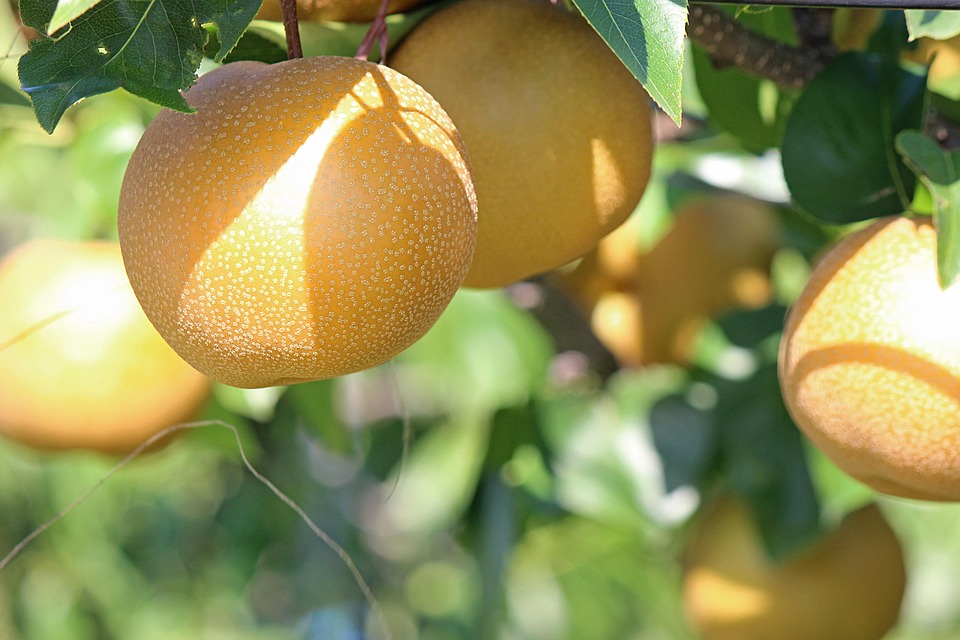
Pears possess a unique profile. They offer sweetness without the sharp sting of high acidity. This balance makes them a staple for those avoiding common irritants like lemons or oranges.
Fiber acts as a secondary benefit. Regular bowel movements prevent constipation. Pressure from the bowel often contributes to physical discomfort in the pelvic region.
Comparing Acidity Levels Across Common Fruits
When selecting snacks, comparing pH values helps clarify choices. Lower numbers indicate higher acidity. Higher numbers reflect a more neutral or alkaline environment.
| Fruit Type | Approximate pH Range | Bladder Compatibility |
| Lemon | 2.0 to 2.6 | Usually irritating |
| Apple | 3.3 to 4.0 | Moderately sensitive |
| Pear | 3.6 to 4.6 | Generally tolerated |
The Science Of Digestive Support And Pelvic Health
Digestion and bladder health share a close connection. When digestion slows, the entire pelvic floor experiences stress. Fiber keeps things moving efficiently. Research by the National Center for Biotechnology explains that dietary fiber intake correlates with lower rates of pelvic discomfort.
Soluble fiber absorbs water. This process creates a gel like substance in the gut. This mechanism aids in smooth transit through the digestive tract.
Stable glucose levels also matter. Fluctuations in blood sugar sometimes impact inflammatory markers. Pears provide a slow release of energy rather than a quick spike.
Integrating Pears For Low Acid Bladder Fruit Into Your Diet
Adding this fruit to your day does not require complex preparation. Simplicity remains the best approach. Focus on raw, cooked, or blended options depending on your preference.
- Raw Consumption: Peel the skin if you notice sensitivity to the wax or exterior fiber. Slice them thin to pace your intake.
- Stewed Pears: Cook them gently with a small amount of water until soft. This process softens the fiber further for easier digestion.
- Smoothie Additions: Blend them with water or oat milk for a light snack. Avoid adding acidic juices like cranberry or pineapple to the mixture.
A Step By Step Calculation For Daily Intake
Determining your ideal serving size requires attention to personal reaction. Most individuals begin with a small baseline. Gradually increase based on how you feel over time.
Follow this example for initial implementation:
- Baseline Week: Start with one quarter of a medium pear once daily. This volume provides roughly 1.5 grams of fiber without overwhelming the system.
- Assessment Phase: Note any changes in comfort after three days. If you experience no issues, move to one half of a pear.
- Target Volume: Most people find success with one whole pear per day. This amount offers consistent hydration and support while keeping acid exposure minimal.
Lifestyle Factors Affecting Urinary Wellness
Food is only one piece of the puzzle. Hydration habits play a role too. Water helps dilute urine, which reduces the concentration of potential irritants.
Tracking triggers helps identify patterns. Keep a brief log of what you consume. This record reveals connections between food intake and physical feedback.
The National Library of Medicine offers guidance on monitoring fluid intake to support overall health. Always ensure your environment remains calm. Stress impacts the pelvic floor muscles significantly.
Frequently Asked Questions
Can all pear varieties be used for bladder sensitivity?
Most pear varieties offer similar benefits because their chemical structures remain consistent. Bartlett and Anjou pears are common choices that fit most dietary plans well.
Choose ripe fruit for the best texture and taste. Overly green or unripe pears might contain starch that is harder to break down, though the acidity difference remains negligible.
Does peeling the fruit make a difference?
Peeling the fruit removes potential waxes or residues from the skin. Some individuals find the skin difficult to digest, which can lead to bloating or gas.
If you find that your system is quite reactive, starting with peeled fruit is a smart choice. You can reintroduce the skin later if you decide that extra fiber helps your digestive rhythm.
What should be avoided alongside pears?
Avoid pairing pears with high acid accompaniments. Lemon juice, berries, or spicy seasonings can negate the gentle nature of the fruit.
Stick to neutral pairings like oatmeal, plain rice, or almonds. Keeping your snack simple reduces the risk of unintended reactions.
How long does it take to see results from dietary changes?
Individual timelines vary significantly based on your current health status and general habits. Some people report feeling a difference within a few days of removing irritants.
Consistency is more important than speed. Stick to the adjustment for at least two weeks before deciding if it provides the comfort you seek.
Are canned pears an acceptable alternative?
Canned pears work if they are stored in water rather than heavy syrup. Many commercial brands add sugar or citric acid to preserves, which you must avoid.
Check the label to ensure that the only ingredients are pears and water. If you cannot find a clean version, stewing your own fresh fruit is better.
The Bottom Line
Pears for low acid bladder fruit stand out as a reliable, gentle snack for those monitoring their urinary health. By choosing this fruit, you provide your body with hydration and fiber without the irritation caused by more acidic options.
Focus on maintaining a consistent, simple diet to observe how these small shifts affect your daily comfort levels. Track your progress over the next two weeks to confirm that this addition supports your specific wellness goals.
This information is for educational purposes only. It is not intended as a substitute for professional medical advice. Never stop or change any medication without consulting the provider who recommended it. Consult a licensed healthcare provider before starting any new wellness routine.
Get Your FREE Natural Health Guide!
Subscribe now and receive our exclusive ebook packed with natural health tips, practical wellness advice, and easy lifestyle changes, delivered straight to your inbox.