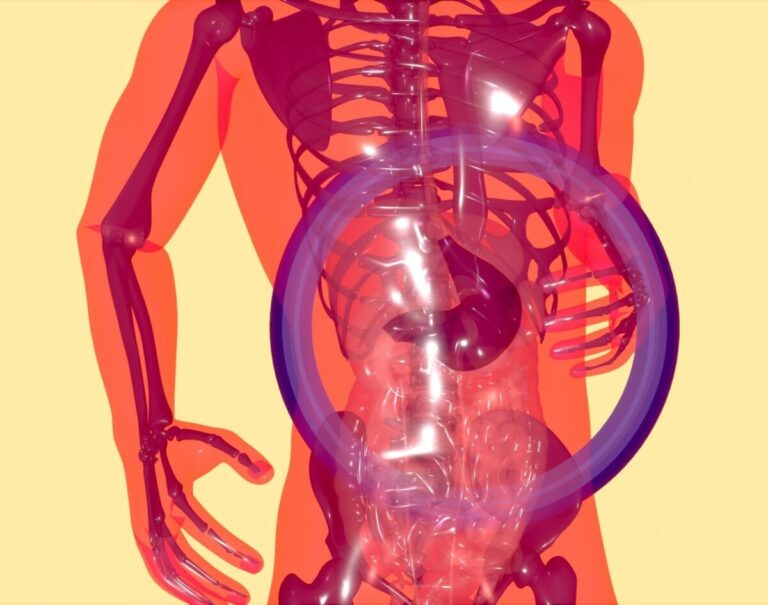

Understanding How Leaky Gut Triggers Vascular Inflammation Through Digestive Health
I feel a familiar fatigue when I witness the internal connections between our digestive systems and our cardiovascular wellness. It often seems like we isolate our body parts into separate silos when the reality is a constant flow of information between our gut lining and our blood vessels. Understanding the links between our internal barriers and heart health requires a shift toward seeing the body as a single, integrated network.
The integrity of the intestinal wall serves as a primary filter for everything that enters our circulation. When that barrier experiences structural stress, substances that belong in the digestive tract can cross into the bloodstream. This event initiates a cascade of immune reactions that eventually impact the stability and health of our vascular system.
How leaky gut triggers vascular inflammation occurs when undigested food particles or bacterial components cross the intestinal barrier. This breach activates the immune system to release inflammatory markers that travel through the blood. These compounds interact with the lining of arteries, which creates lasting changes in blood vessel health.
Key Takeaways
- Systemic Immune Response: Research indicates that up to 70 percent of our immune cells reside within the gut wall.
- Bacterial Translocation: Studies from the National Library Medicine detail how lipopolysaccharides from gut bacteria circulate to damage arterial walls.
- Inflammatory Markers: High levels of C-reactive protein often correlate with increased intestinal permeability in clinical observations.
The Mechanisms Behind Intestinal Permeability And Heart Wellness
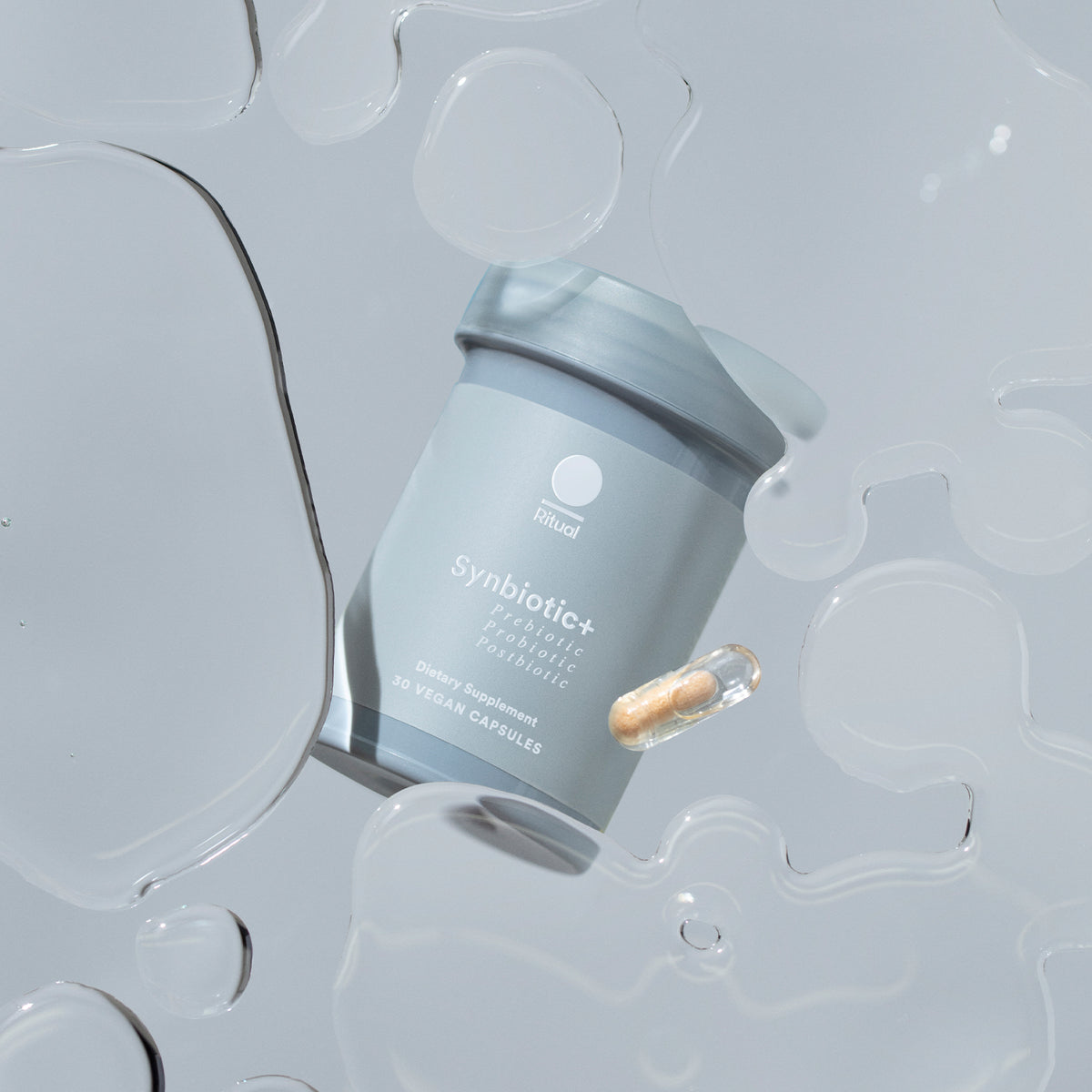
Ritual™ Synbiotic Gut Formulation
- Targeted daily synbiotic designed to support a balanced gut microbiome
- Formulated to assist with continuous digestive maintenance and mitigate occasional discomfort
- Supports effective food processing without relying on harsh cleanses
Our intestines contain a thin layer of cells joined together by proteins. These tight junctions regulate what enters the portal circulation. When these junctions loosen, the barrier fails to do its job.
The liver acts as the next line of defense for the blood. If the liver becomes overwhelmed by incoming debris from the gut, those particles escape into the general circulation. The immune system flags these intruders as threats and launches an attack.
This ongoing state of alert keeps the entire body in a cycle of irritation. The heart and blood vessels bear the weight of this systemic reaction. Over time, this constant noise disrupts the normal function of endothelial cells.
Quantifying The Impact Of Barrier Health
We can look at the data to see how specific metrics fluctuate based on internal health markers. Maintaining a healthy barrier involves balancing the intake of fermentable fibers and limiting irritants. The table below illustrates the relationship between these factors and systemic markers.
| Factor | Healthy Status | Compromised Status |
|---|---|---|
| Tight Junctions | Functioning tightly | Leaking particles |
| Systemic CRP | Normal range | Elevated levels |
| Vascular Tone | Flexible vessels | Stiffened walls |
The Role Of Dietary Choices In Supporting Barrier Integrity
Food acts as a primary tool for maintaining the health of the intestinal lining. Certain nutrients provide the necessary fuel for the cells that keep the barrier sealed. Relying on whole foods is the most direct way to support this process.
- Polyphenol Rich Foods: Berries and green tea provide support for the structural proteins within our gut.
- Soluble Fiber: Oats and legumes produce compounds that nurture the lining of the digestive tract.
- Omega Fatty Acids: Fish and seeds help dampen the flames of systemic immune activity.
Research from NIH health information pages confirms that digestive function relates to wider wellness. Focusing on these inputs helps the body maintain its natural defense against internal particles. Consistency matters more than occasional shifts in diet.
Demonstrating The Calculation Of Inflammatory Load
To visualize this, consider a simple model of metabolic load. We measure the intake of high processed sugar against the availability of protective fiber. If an individual eats 40 grams of sugar and only 5 grams of fiber, the ratio of 8 to 1 creates significant stress.
The goal involves lowering that ratio to a level that supports the gut. For most people, a ratio of 2 to 1 provides enough support to maintain tight junctions. Aiming for this balance reduces the load on the immune system every single day.
Addressing The Influence Of Lifestyle And Stress
Stress impacts the digestive system through the gut brain axis. When we experience high pressure, the blood flow to the digestive organs decreases. This slows the repair of the intestinal wall.
Sleep quality also plays a vital role in our recovery process. During deep rest, the body clears out waste and repairs cellular junctions. Lack of sleep forces the body to prioritize other functions over gut maintenance.
Consistent movement helps the blood circulate and encourages regular digestion. This activity keeps the entire system moving forward rather than stagnating. It prevents the buildup of substances that put pressure on our delicate internal barriers.
Evidence And Future Research Perspectives
Scientific inquiry continues to bridge the gap between digestion and cardiology. Heart disease prevention guides now frequently mention the importance of systemic inflammation. We are learning that the gut provides the foundation for our cardiovascular health.
Researchers are currently mapping the exact proteins that fail during these events. They seek to find ways to bolster these connections using targeted nutrition. This shift moves us away from symptom management toward real internal support.
Frequently Asked Questions
What are the primary indicators of a compromised intestinal barrier?
Many individuals report bloating, fatigue, or sensitivity to foods they once consumed without issue. These signs often point toward a system under strain where the intestinal wall is not holding its standard structure.
Beyond these sensations, blood panels may show fluctuations in markers related to immune activity. Keeping a record of how you feel after meals helps you identify which triggers put extra pressure on your digestion.
Can dietary changes reverse structural gut damage?
The body maintains a remarkable ability to rebuild its tissues when provided with the correct raw materials. By removing irritants and increasing the intake of nourishing fibers, you allow the intestinal cells to begin their natural repair cycle.
This process takes time and requires patience. Consistency with whole food choices helps sustain the environment necessary for the repair of tight junctions.
How long does the body need to restore its internal barrier?
Individual recovery time varies based on genetics and current lifestyle habits. Most wellness trends point toward a minimum window of three months to notice meaningful changes in internal health markers.
This timeline allows for the cycle of cell turnover in the gut. Staying committed to a plan provides the best chance for long-term health improvements.
Is there a connection between gut flora and vascular health?
The microbes living in our gut produce chemicals that enter the bloodstream and influence blood vessel tone. A diverse population of beneficial bacteria keeps these signals balanced and calm.
When the population becomes imbalanced, the signals change to favor irritation. Managing this balance through diet remains a top strategy for maintaining healthy vessels.
Should I use supplements to seal the intestinal wall?
While some find support from targeted nutrients, food should remain the primary source of nutrition. Supplements act as an addition to a quality diet rather than a replacement for it.
Consult with a professional to see if your current intake lacks specific compounds. Never stop or change any medication without consulting the provider who recommended it.
The Bottom Line
Is Your Leaky Gut Fueling Vascular Inflammation? The answer lies in how effectively we manage the health of our internal barriers. Prioritizing gut health serves as a foundation for cardiovascular resilience.
Focus on adding more fiber and whole foods to your daily routine to support your intestinal integrity. By maintaining a balanced digestive system, you provide your body with the stability it needs to keep blood vessels healthy and functional. Consult a licensed healthcare provider before starting any new wellness routine.
This content is for informational purposes only and does not reflect a diagnosis. People with existing bowel conditions or cardiovascular issues should prioritize medical oversight. Consult a licensed healthcare provider before starting any new wellness routine.
Get Your FREE Natural Health Guide!
Subscribe now and receive our exclusive ebook packed with natural health tips, practical wellness advice, and easy lifestyle changes, delivered straight to your inbox.