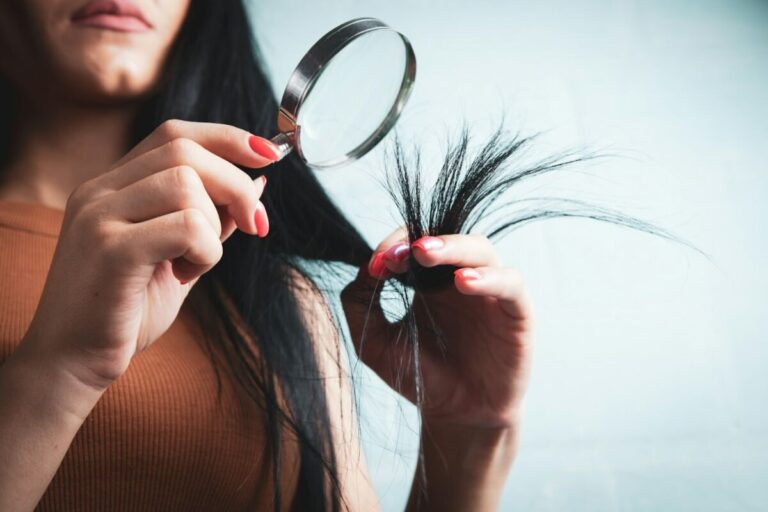
Understanding Why Hair Thinning Primarily At The Temples Happens
Most of us recognize those subtle shifts in the mirror that suggest our hair is not quite as thick as it once was. You might notice a receding hairline or less density right above the forehead and near the ears. It is a common human experience to wonder about these changes as we move through different stages of life.
Hair health reflects many factors including genetics, lifestyle choices, and internal balance. While these changes can feel concerning, clarity regarding the biological reality often eases the mind. Understanding the underlying logic of your scalp health provides a path forward.
Hair thinning primarily at the temples happens due to the sensitivity of follicles to specific hormones, combined with factors like nutritional gaps, aging, or persistent stress on the scalp. This specific pattern often links to genetic predispositions where follicles in the frontal region show higher sensitivity to circulating hormones over time. Identifying these triggers is the first step toward better maintenance.
Key Takeaways
- Follicle Sensitivity: Research from the National Institutes of Health suggests that hormonal receptors in the frontal scalp often show increased activity in those experiencing density loss.
- Growth Cycles: The average human scalp loses between 50 to 100 hairs daily, but temple recession often involves a shortening of the active growth phase known as anagen.
- Nutritional Influence: Proper levels of ferritin and vitamin D are critical for maintaining the structural integrity of the hair shaft during its development phase.
Common Factors Driving Scalp Changes
Many individuals seek to understand why their hair density shifts in specific patterns. Genetics play a dominant role in determining how follicles respond to the natural aging process. This inherited blueprint dictates the lifespan of each hair follicle across different areas of the scalp.
Hormonal influence stands out as a primary driver for temple recession. When follicles near the front of the head become sensitive to natural hormonal fluctuations, they may produce thinner strands over time. The hair diameter gradually decreases until the follicle eventually goes dormant.
Environmental stressors also contribute to these changes. Tight hairstyles or persistent tension on the hairline can cause physical damage to the follicles. Reducing this mechanical stress helps preserve the density of existing hair.
Numerical Data On Hair Density
| Metric | Standard Range | Impact Level |
| Daily Shedding | 50 to 100 hairs | Normal variation |
| Anagen Duration | 2 to 7 years | Growth period |
| Ferritin Levels | 70 to 100 ng/mL | Follicle health |
Nutritional Foundations For Hair Integrity
Your hair needs consistent fuel to sustain its growth cycle. Deficiencies in core minerals often manifest as thinning in the most sensitive scalp zones. Many experts at the National Library of Medicine note that iron status correlates directly with the density of follicles. Prioritizing nutrient dense whole foods helps support the body from the inside out.
Protein is the essential building block for every strand of hair. If your intake is low, the body redirects resources to more vital organs, leaving the hair as a secondary concern. Including high quality sources of amino acids in your daily meals supports structural strength.
Vitamin D also plays a significant role in the lifecycle of a hair follicle. Many populations do not get enough direct sunlight, making dietary or supplement support a necessary consideration. Supporting these pathways helps maintain the thickness and resilience of your hair over time.
Demonstrating The Growth Phase Calculation
You can estimate the potential longevity of your hair based on the anagen cycle. If the average hair grows at a rate of 0.5 inches per month, we can calculate total length capacity. A healthy scalp with a 5 year anagen phase supports hair growth up to 30 inches long.
If that phase shortens to 2 years due to stress or nutrient lack, maximum hair length drops to 12 inches. This transition explains why hair appears to stop growing or thins out unexpectedly. Monitoring these biological markers helps you gauge when your body needs more targeted support.
Systemic Approaches To Scalp Care
Supporting scalp health requires a broad perspective on daily habits. You should consider your blood circulation to the head. Regular physical movement increases blood flow, which brings oxygen and nutrients to the scalp area.
Avoiding harsh chemicals in personal care products is another wise move. Many mainstream products contain agents that irritate the skin and weaken the hair shaft. Gentle alternatives provide the same cleansing result without the potential for damage.
Stress management is equally significant. High levels of cortisol can disrupt the normal timing of hair growth cycles. Adopting practices that calm the nervous system helps keep the body in a state of balance. The Centers for Disease Control supports the link between chronic stress and systemic health outcomes.
Frequently Asked Questions
Does stress directly cause the hairline to recede?
Stress impacts the body by shifting hormonal balance and increasing inflammation. While it is rarely the only cause, high tension levels can trigger dormant follicles to shift into a resting phase prematurely.
Managing your mental environment through consistent routines is essential for overall wellness. When the body remains in a calm state, it can dedicate more energy to maintaining healthy tissue cycles including hair growth.
Can diet replace the need for professional guidance?
Nutrition forms the foundation of all healthy bodily processes. Focusing on a balanced intake provides the materials your body needs to thrive, yet it does not always resolve deep seated issues.
If you suspect an underlying health condition, relying solely on diet might overlook the root of the problem. A balanced approach combines good nutrition with a professional perspective on your health data.
Is hair thinning a permanent condition?
The permanence of thinning depends on whether the hair follicles are still active. If the follicle has fully closed, regrowth is unlikely without advanced assistance.
If the follicles are simply experiencing a shortened growth cycle, lifestyle shifts can often help. Focusing on nutrition and scalp care can support the health of remaining hair and potentially improve the texture of new growth.
How do I know if my products are causing damage?
Look for signs like increased scalp sensitivity or brittle hair after using new formulations. If your skin feels tight or dry, the ingredients in your cleanser might be too harsh for your scalp barrier.
Switching to simpler, plant based options often reveals a difference in comfort levels. Paying attention to how your body reacts to these substances allows you to identify what works for your specific scalp profile.
Are supplements necessary for hair health?
Supplements are tools meant to fill gaps in your daily intake. If you consume a wide variety of whole foods, you may already meet your basic requirements for growth.
However, specific deficiencies can be hard to manage with food alone depending on your location and lifestyle. Measuring your levels through blood panels is the most reliable way to determine if supplemental support is required for your situation.
The Bottom Line
Hair thinning primarily at the temples reflects a complex interaction between genetics, hormonal sensitivity, and your internal nutrient status. While these changes are common, they provide a chance to evaluate your overall health habits and make necessary adjustments.
Start by auditing your daily intake to ensure adequate protein and micronutrients. Observe your scalp comfort and current stress levels as you implement these dietary and lifestyle changes.
The Trust Boundary: This content is for educational purposes and does not address individual medical situations. It is not intended to replace professional advice, diagnosis, or recommendations. Never stop or change any medication without consulting the provider who recommended it. Consult a licensed healthcare provider before starting any new wellness routine.
Get Your FREE Natural Health Guide!
Subscribe now and receive our exclusive ebook packed with natural health tips, practical wellness advice, and easy lifestyle changes, delivered straight to your inbox.