Understanding Why High-Performance Athletes Use Coffee For Fat Oxidation Efficiency
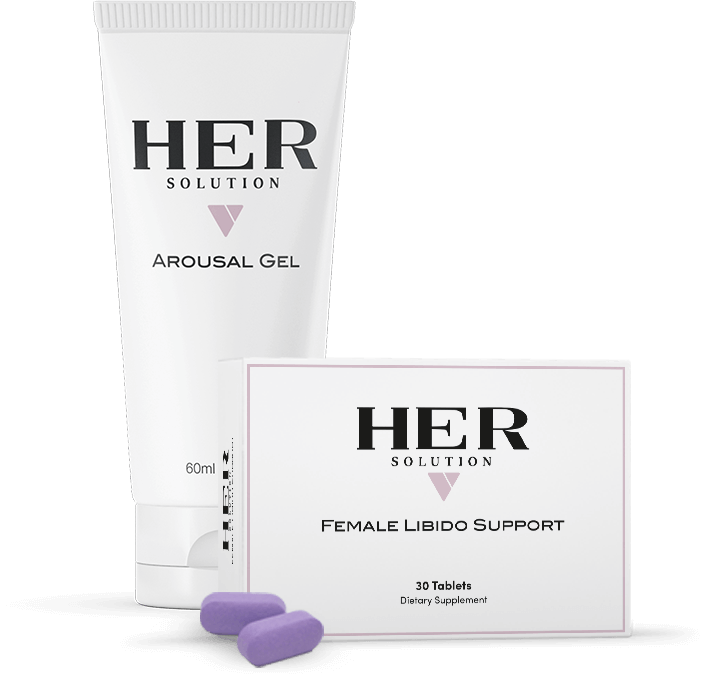
HerSolution™ Women's Botanical Formula
- Botanical daily formula designed to support female vitality and encourage a natural return of physical drive
- Helps restore natural moisture, physical comfort, and bodily responsiveness for enhanced intimate wellness
- Manufactured in a cGMP-compliant facility without relying on harsh synthetic hormones
I feel the familiar pull of early morning training sessions when the body moves sluggishly before the sun rises. My research into performance habits shows that simple, natural stimulants often play a foundational role in how active individuals manage their energy stores. This cycle of movement and recovery defines the rhythm of my own wellness journey as I observe how different compounds interact with human physiology.
Many individuals seek ways to refine their metabolic output during intense physical sessions. Athletes often integrate specific beverages to influence how their systems prioritize fuel sources during work periods. Why high-performance athletes use coffee for fat oxidation involves the stimulation of specific nervous system responses that encourage the body to utilize stored adipose tissue more effectively during exertion.
High-performance athletes use coffee for fat oxidation by leveraging caffeine to increase catecholamine levels, which prompts the release of free fatty acids from adipose cells into the bloodstream. This process provides an alternative fuel source for working muscles, potentially sparing glycogen stores and delaying the onset of fatigue. By consuming caffeine prior to training, these individuals shift their metabolic reliance toward lipid stores during sustained aerobic activity.
Key Takeaways
- Caffeine intake ranges from 3 to 6 milligrams per kilogram of body weight to trigger noticeable metabolic changes during exercise.
- Lipid mobilization increases significantly when circulating levels of adrenaline rise, a common response to pre-workout stimulant consumption.
- Research from the National Institutes of Health supports the observation that caffeine helps delay physical exhaustion in trained individuals.
Physiological Impacts Of Stimulant Consumption
The human body possesses a complex set of internal pathways designed to manage energy storage and expenditure. When an individual consumes caffeine, the central nervous system experiences a rise in alertness and a shift in endocrine signaling. This state creates an environment where stored lipids are more accessible for conversion into usable energy.
The primary mechanism involves the inhibition of adenosine receptors in the brain. Once these receptors are blocked, the body experiences a rise in heart rate and blood flow. These changes prepare the cardiovascular system for more demanding tasks.
Many experts point to the role of adrenaline in this process. Adrenaline signals the fat cells to break down triglycerides into glycerol and fatty acids. These components then travel to the muscles to be burned as fuel. Scientific literature from the National Library of Medicine outlines how this shift in fuel utilization occurs within various training intensities.
Data Comparison Of Fuel Utilization
| Energy Source | Primary Timing | Relative Usage |
|---|---|---|
| Glycogen | Early Session | High Availability |
| Lipid Stores | Sustained Effort | Increased Mobilization |
Strategic Timing For Optimal Performance
Timing remains a critical component for those who hope to experience these benefits. Consuming the stimulant too early or too late can disrupt the desired metabolic window. Most individuals find success when they ingest the beverage about forty-five to sixty minutes before starting their routine.
- Morning preparation: Many people consume their coffee on an empty stomach to ensure the compound reaches peak concentration in the blood before movement begins.
- Controlled dosage: Starting with a moderate amount helps the body adapt without creating excessive jitters or unwanted cardiovascular strain.
- Consistent application: Applying this method during specific training days rather than daily prevents the rapid buildup of tolerance to the stimulant.
The goal is to align the peak blood concentration of the compound with the most strenuous part of the workout. This alignment ensures that the availability of fatty acids peaks just when the muscles require supplemental fuel. It is a precise approach that requires tracking how the body feels during various stages of exertion.
Real World Application Formula
Calculating the correct amount of caffeine is a standard practice for many performance-focused individuals. A baseline approach involves using body weight to determine an effective intake. For a person weighing seventy kilograms, a dosage of three milligrams per kilogram equals two hundred and ten milligrams of caffeine.
To put this into perspective, a standard cup of brewed coffee contains approximately ninety-five milligrams of the stimulant. This means the individual would aim for roughly two cups prior to their training session. Adjusting this number based on personal sensitivity is always a wise move to maintain comfort.
Cofactor Interactions And Nutrient Needs
Fueling the body properly involves more than just selecting a stimulant. The metabolic pathways involved in burning lipids require adequate hydration and micronutrient support. Without sufficient magnesium and B vitamins, the cells struggle to process energy efficiently even when stimulated.
Many individuals overlook the importance of electrolytes in this process. Proper fluid balance ensures that the cardiovascular system can pump blood effectively during long sessions. Resources from educational portals provide broad insights into why balanced intake is vital for maintaining steady energy levels throughout the day.
Common Barriers To Effective Results
Tolerance often emerges as the primary obstacle for those who rely on daily caffeine intake. When the body becomes accustomed to a set amount, the metabolic effect diminishes. Cycling off the stimulant for a few days each week helps maintain its efficacy.
Sleep quality represents another critical barrier. Consuming stimulants late in the day can disrupt the recovery process. Proper recovery is just as important as the training itself for long-term health. Prioritizing rest ensures that the body remains responsive to the tools used to improve performance.
Frequently Asked Questions
How does caffeine specifically change fuel usage during training?
Caffeine influences the nervous system to promote the release of specific hormones that act as messengers for fat cells. These messengers instruct the cells to break down stored lipids into free fatty acids that enter the bloodstream for muscle uptake.
This process encourages the muscles to utilize these mobilized lipids as a primary fuel source during the initial stages of a workout. By relying on these stores, the body preserves its limited supply of muscle glycogen for later stages of the exercise.
Is it necessary to train on an empty stomach for these results?
Training without recent food intake often makes the transition to lipid metabolism more seamless because insulin levels remain low. When insulin levels are high after a large meal, the body tends to prioritize glucose storage and usage over the mobilization of lipids.
However, individuals must balance this preference with their personal comfort and energy needs. If exercising without food leads to dizziness or extreme weakness, it is better to consume a small, light snack before the session.
Can any type of coffee be used for this purpose?
The method of preparation influences the exact amount of caffeine per serving, which can lead to variability in results. Standard drip coffee generally provides a consistent dosage, whereas espresso-based drinks vary significantly depending on the machine and the grind.
Most individuals prefer black coffee to avoid the addition of sugars or heavy creams. Extra additives can spike insulin levels, which potentially negates the desired metabolic shift toward lipid burning during the session.
How long does the metabolic effect typically last?
The influence of caffeine on the nervous system usually peaks within sixty to ninety minutes after ingestion. The half-life of caffeine varies significantly between different people based on genetics and individual metabolic speed.
While the initial burst of adrenaline and fatty acid mobilization is strongest early on, the overall impact on alertness and performance can persist for several hours. Sustained aerobic movement helps extend the duration of the period where lipids are utilized as fuel.
What happens if a person consumes too much caffeine?
Excessive intake often results in negative sensations such as rapid heart rate, anxiety, and digestive discomfort. These physical signs indicate that the central nervous system is overstimulated, which can lead to poor performance and diminished training quality.
Finding the lowest effective dose is always the better approach for long-term consistency. Never stop or change any medication without consulting the provider who recommended it.
The Bottom Line
Why Elite Athletes Rely On Coffee To Torch Body Fat involves a scientific understanding of how stimulants interact with the body’s natural energy systems. By using caffeine to mobilize lipids during physical sessions, active individuals can refine their endurance and metabolic output. The focus should always remain on consistency, proper timing, and respecting individual physiological limits.
Start by identifying your personal sensitivity to stimulants before integrating them into a training routine. Track your energy levels and how you feel during different phases of movement to see what works best for your specific biology. Consult a licensed healthcare provider before starting any new wellness routine.
Individuals with heart conditions or those sensitive to stimulants should avoid this practice. Consult a licensed healthcare provider before starting any new wellness routine.
Get Your FREE Natural Health Guide!
Subscribe now and receive our exclusive ebook packed with natural health tips, practical wellness advice, and easy lifestyle changes, delivered straight to your inbox.