Proven Methods For Transitioning To Ketosis Without Losing Muscle Mass Efficiently
I find myself reflecting on the common fatigue that sets in during the first week of a low carbohydrate lifestyle change. Many individuals notice their strength fading as their bodies attempt to shift from sugar burning to fat burning. This phase often brings a sense of unease regarding hard earned physical gains.
Adapting your metabolic state requires patience rather than speed. Focusing on foundational nutrition allows the body to prioritize fat stores while sparing structural protein. This approach helps maintain physical integrity during the metabolic switch.
Transitioning to ketosis without losing muscle mass involves eating sufficient protein, maintaining a slight caloric deficit, and lifting heavy weights to signal that your body needs to keep existing tissue. By keeping protein intake moderate to high and prioritizing resistance training, you encourage your system to burn stored fat while keeping your frame lean and dense.
Key Takeaways
- Maintaining 1.6 to 2.2 grams of protein per kilogram of body weight is critical for nitrogen balance.
- Resistance training sessions should occur at least 3 times per week to preserve existing strength markers.
- Blood glucose levels often stabilize between 70 and 90 milligrams per deciliter once full adaptation occurs.
Prioritizing Structural Protein Intake
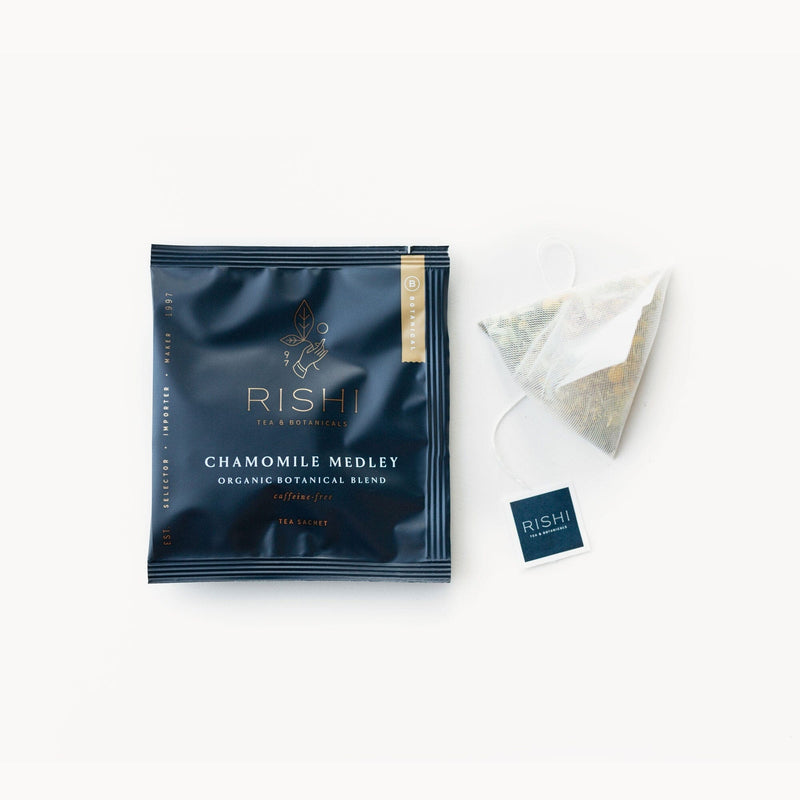
Rishi Chamomile Medley™ Botanical Blend
- Targeted botanical blend designed to work with your body's natural evening rhythms
- Supports a calm state of mind and consistent physical relaxation after a high-demand day
- Formulated for a smooth evening transition without relying on heavy synthetic sleep aids
Protein serves as the primary building block for repair after physical exertion. Research from the National Institutes of Health confirms that adequate amino acid availability prevents tissue breakdown during caloric restriction. You must ensure your meals contain high quality sources like eggs, wild fish, or lean poultry.
Spreading your intake across the day keeps amino acid levels stable. Skipping meals or fasting for long windows can initiate unwanted protein breakdown. Aim for a consistent distribution to protect your physique.
Consider the following protein priorities for your daily routine:
- Morning nourishment: Consume at least 30 grams of protein upon waking to stop nocturnal catabolism.
- Post exercise meals: Include leucine rich foods to trigger growth signals after you finish your training session.
- Evening intake: Choose slow digesting options to provide constant fuel for your cells while you sleep.
Resistance Training As A Signal
Exercise acts as a direct message to your brain. Lifting heavy objects signals that your body must keep its current muscle density. Without this physical stress, your system may deem extra tissue unnecessary. Studies from the University of California suggest that heavy load training overrides metabolic signals that would otherwise favor tissue reduction.
Focus on compound movements rather than isolation drills. Movements like squats, presses, and pulls recruit the most fibers and burn the most energy. This strategy provides the best return for your time spent in the gym.
Follow this simple hierarchy for your weekly training plan:
- Compound foundations: Dedicate the first half of your workout to large movements like overhead presses or deadlifts.
- Intensity regulation: Keep your rest periods short enough to maintain a high heart rate but long enough to retain strength.
- Volume management: Scale back your total sets if you feel drained while your body learns to burn fat for fuel.
Essential Nutritional Data Comparison
| Nutrient Source | Benefit Type | Usage Status |
|---|---|---|
| Lean Chicken | Structural Support | Daily Requirement |
| Avocado Fats | Energy Density | Fuel Source |
| Leafy Greens | Micronutrient Load | Electrolyte Balance |
Managing Electrolyte Balance During Metabolic Shifts
The initial phase of dietary change causes a large water weight drop. This happens because your body depletes glycogen stores and releases associated water. You must replace sodium, potassium, and magnesium to prevent cramping and headaches.
Dehydration often masks itself as hunger or lack of physical output. Adding sea salt to your water helps retain the fluids needed for proper cell communication. Industry data shows that hydration is the most overlooked factor in maintaining performance.
Track your intake of these vital minerals daily:
- Sodium sources: Use unrefined salt on every meal to maintain blood pressure and hydration.
- Potassium intake: Focus on dark greens and small amounts of avocado to keep your heart rhythm steady.
- Magnesium supplementation: Consider an external source if you experience muscle twitches or poor sleep quality.
Avoiding Caloric Deficit Extremes
Cutting your fuel too aggressively forces your system into a survival mode. This survival state often leads to the loss of dense tissue rather than just stored fat. Data regarding nutrition standards indicates that a moderate deficit of 300 to 500 calories is safer for long term health.
Listen to your internal feedback loop every morning. If you feel lethargic or notice your performance dropping, increase your healthy fat intake. Fat provides the steady energy you need to sustain your training intensity.
Maintain your daily fuel using these guidelines:
- Track consumption: Note your intake for a week to understand your actual caloric needs versus your perceived needs.
- Prioritize satiety: Choose high volume foods like cruciferous vegetables to fill your stomach without adding excess sugar.
- Monitor recovery: Observe how fast your muscles return to normal after a taxing session.
Frequently Asked Questions
How do I know if I am losing fat instead of muscle?
You can monitor your progress by tracking your strength numbers in the gym alongside simple body measurements. If your strength remains stable or increases while your waist measurement decreases, you are successfully burning fat while sparing your lean mass.
Scales often lie because they cannot distinguish between water, bone, and dense tissue. Rely on your reflection, how your clothes fit, and the weight you can handle during your workouts as your primary indicators of success.
Should I use performance supplements while changing my diet?
Many individuals find that electrolytes are the only necessary addition during the early transition phase. Creatine monohydrate also helps maintain power output by replenishing cellular energy stores, which can offset the temporary drop in performance.
Avoid complicated stimulants that might increase your stress hormone levels. Keep your approach simple and focus on real food sources for the majority of your nutritional needs throughout the day.
How long does the adaptation phase typically last?
Most individuals report that the initial adjustment takes about two to four weeks for their cells to become efficient at burning fat. During this time, your output might feel lower than usual as your metabolic machinery catches up.
Consistency during these first thirty days determines how quickly you reach your goals. Once the transition is complete, your energy will likely return to previous levels or even surpass them.
Is it safe to exercise intensely during the first week?
You can train intensely if you manage your hydration and protein intake properly. If you feel dizzy or physically exhausted, scale back the volume rather than quitting the routine entirely.
Your body is learning a new way to fuel movement, so give yourself grace during the first seven days. Focus on form and quality of movement rather than hitting personal best records until you feel fully adapted.
Can I eat dairy while trying to maintain my frame?
Dairy can provide excellent protein and fat for those who tolerate it well. Keep in mind that some sources of dairy contain small amounts of lactose, which is a sugar that might affect your progress.
Choose fermented options like Greek yogurt or aged cheeses if you want to include dairy in your plan. Monitor your own digestion and physical response to ensure these foods support your goals.
The Bottom Line
Transitioning to ketosis without losing muscle mass is a balancing act of nutrition and physical demand. By prioritizing high protein intake and consistent resistance training, you teach your system to utilize fat while keeping your frame strong.
Never stop or change any medication without consulting the provider who recommended it. Start by auditing your current daily protein grams and adjusting your training schedule to include three heavy lifting sessions this week.
This advice is for educational purposes only and is not intended for individuals with pre existing kidney conditions, metabolic disorders, or those who are pregnant. Consult a licensed healthcare provider before starting any new wellness routine.
Get Your FREE Natural Health Guide!
Subscribe now and receive our exclusive ebook packed with natural health tips, practical wellness advice, and easy lifestyle changes, delivered straight to your inbox.