
Why Chamomile Tea Does Not Work For Severe Panic Attacks During Intense Moments
Many individuals find comfort in the gentle ritual of sipping a warm mug of herbal infusion when feelings of mild restlessness arise. This practice often serves as a sensory anchor, grounding the nervous system through the simple act of focusing on warmth and aroma.
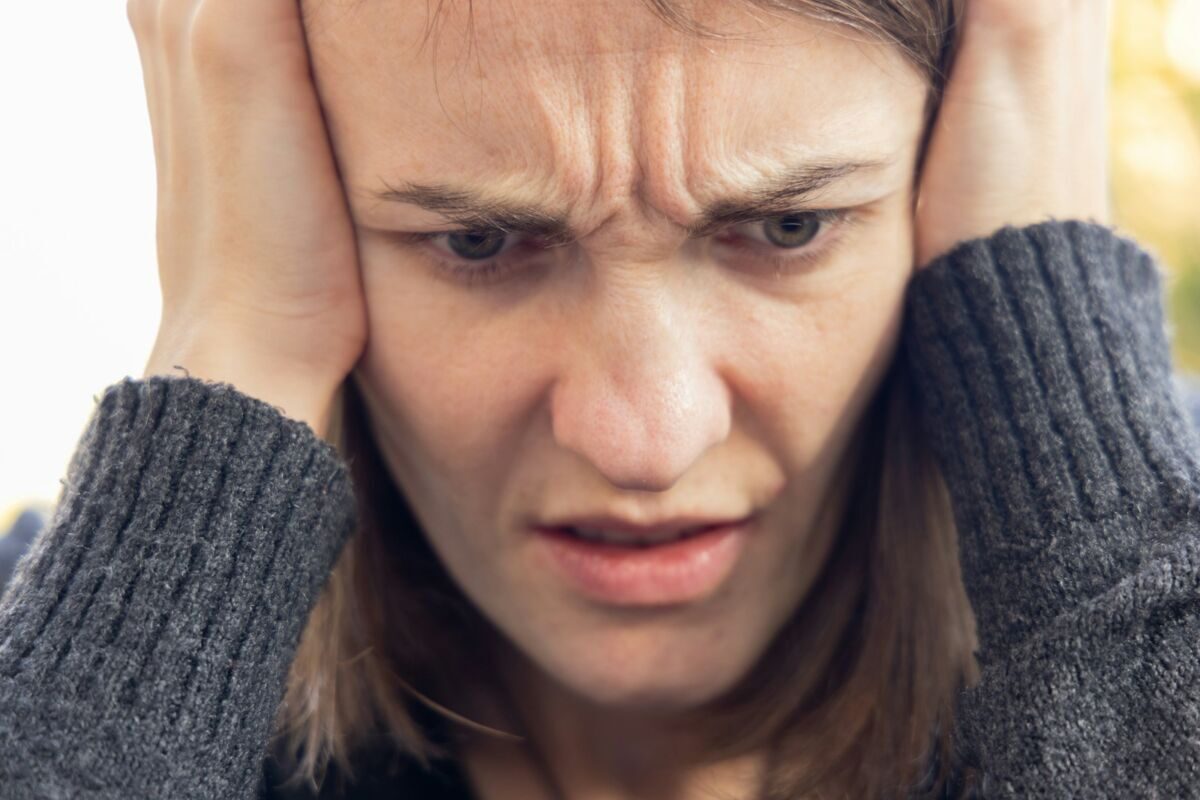
However, the physiological reality changes when an individual encounters a high-intensity panic episode. During these events, the body initiates a robust sympathetic nervous system response that requires more than a mild botanical compound to shift back toward a state of equilibrium.
Why Chamomile tea doesnʼt work for severe panic attacks is primarily due to the magnitude of the neurochemical surge occurring in the brain. Standard infusions lack the concentration of active constituents required to override the acute physiological signals of a full-scale panic response.
Key Takeaways
- Biological Potency: Standard chamomile infusions typically contain 0.5 to 1.5 grams of dried flowers per cup, which provides insufficient concentrations of apigenin to influence acute neuroreceptor sites.
- Onset Timing: Digestive absorption of active compounds requires 30 to 60 minutes, whereas a panic response peak often occurs within 10 minutes of the initial trigger.
- Receptor Binding: Research from the National Institutes of Health suggests that while apigenin has benzodiazepine-like qualities, it lacks the binding affinity to neutralize rapid, high-intensity neural discharges.
Understanding Acute Sympathetic Nervous System Activation
Panic represents a total system alert, flooding the bloodstream with adrenaline and cortisol. This hormonal cascade forces the heart rate to increase and accelerates breathing to prepare the body for immediate survival.
The brain prioritizes these survival signals above all else during a crisis. Simple digestive inputs like tea are effectively sidelined by the body while it directs blood flow away from the gut and toward the skeletal muscles and vital organs.
Understanding this biological priority shift explains why sipping a beverage offers minimal feedback to the brain during a crisis. The National Library of Medicine offers extensive documentation on how the endocrine system prioritizes survival over digestive or parasympathetic processing.
Comparison Of Regulatory Interventions
| Method Type | Absorption Pathway | Primary Limitation |
| Herbal Infusion | Gastrointestinal | Slow metabolic onset |
| Sensory Grounding | Neurological | Requires prior training |
| Directed Breathing | Respiratory | Physiological challenge |
The Limits Of Gastrointestinal Absorption
To benefit from any supplement, the body must digest, absorb, and transport compounds into the bloodstream. This process consumes valuable time that an individual does not have during an acute spike in distress.
The gut-brain axis is a powerful communication channel, but it is not an emergency bypass. By the time any compound from an infusion clears the stomach, the peak intensity of the physiological surge has likely already begun to subside through natural hormonal regulation.
The research from the National Institute of Mental Health clarifies that botanical support functions best as part of a long-term wellness pattern. Relying on tea during an acute event ignores the reality of metabolic transit time.
Demonstrating The Shift From Mild To Acute
Imagine the difference between a minor tremor and an earthquake when considering nervous system status. A minor tremor might respond to environmental changes, such as dimming the lights or holding a warm cup.
An earthquake, however, requires structural reinforcements that temporary external inputs cannot provide. Using tea for a panic attack is like attempting to stop a structural collapse by adjusting the interior room temperature.
Effective management during high-intensity states often involves techniques that act directly on the brainstem. These include rhythmic diaphragmatic patterns that physically stimulate the vagus nerve to manually slow the heart rate.
Frequently Asked Questions
Can herbal teas replace other professional interventions?
Botanical support should never be viewed as a replacement for evidence-based care or professional guidance. While infusions offer mild sensory benefits, they lack the strength to address the complex neurobiology underlying severe, recurring panic events.
Individuals who experience frequent or overwhelming distress should consult a licensed provider to build a comprehensive plan. Integrating wellness habits is helpful, but these habits operate best when they support, rather than compete with, established health strategies.
Are there any risks to consuming chamomile during a panic attack?
The primary risk involves a false sense of reliance on a method that does not provide effective regulation. When an individual expects a cup of tea to stop a severe event, the resulting lack of change may increase feelings of helplessness or frustration.
This cycle can inadvertently make the individual feel more out of control when the symptoms persist. It is far more productive to identify strategies that have a documented, rapid impact on the nervous system.
Why do some people claim it works for them?
Individual reports often conflate mild anxiety with severe panic states. What feels like a significant surge to one person may be a moderate stress response that responds well to the ritualistic aspects of tea drinking.
The focus and sensory experience of preparing the beverage can act as a distraction, which effectively lowers the arousal level in less intense situations. This subjective experience is valid for those specific, lower-intensity contexts.
What is the best way to use chamomile for overall support?
The most effective use of botanical support involves daily, consistent consumption. By including herbal infusions as a regular evening ritual, an individual may build a more relaxed baseline over weeks or months.
This cumulative effect serves as a preventative foundation for the nervous system. Consistency is the key mechanism here, rather than an attempt to force a change during a crisis moment.
Are there better alternatives for acute symptom management?
Techniques that leverage the vagus nerve offer a more direct route to regulation. Methods such as prolonged exhalation or cooling the face with cold water can physically slow the heart rate within seconds.
These actions bypass the digestive system entirely and interact directly with the autonomic nervous system. Learning these physical maneuvers provides a set of tools that are available in any environment without requiring preparation time.
The Bottom Line
While chamomile serves as a lovely addition to a calm daily routine, it does not possess the pharmacological power to neutralize a severe panic attack. Relying on an infusion during a high-intensity crisis often leads to disappointment because the metabolic process is too slow to match the speed of the body’s acute stress response.
Instead of relying on teas for emergencies, prioritize the acquisition of physical regulation skills that interact directly with your nervous system. Never stop or change any medication without consulting the provider who recommended it. Consult a licensed healthcare provider before starting any new wellness routine.
Get Your FREE Natural Health Guide!
Subscribe now and receive our exclusive ebook packed with natural health tips, practical wellness advice, and easy lifestyle changes, delivered straight to your inbox.