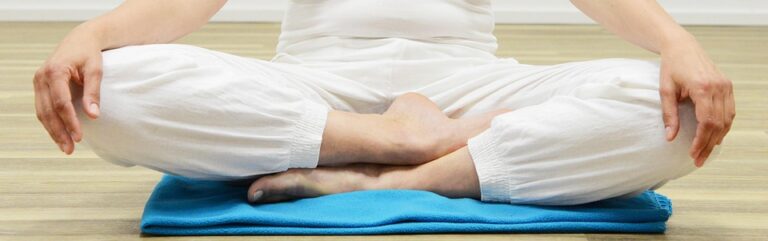
Tension Release Techniques Using Progressive Muscle Relaxation For Sleep
Most of us grapple with the quiet frustration of staring at the ceiling when our bodies refuse to power down. The mind spins through lists of chores while limbs feel heavy yet restless. Finding a path to restful slumber often involves more than just a darkened room or white noise.
I focus on physical signals that indicate the state of the nervous system before bedtime. My routine incorporates specific methods to signal safety to the body. These shifts help transition from a state of alert productivity to a state of calm readiness.
Tension Release Techniques Using Progressive Muscle Relaxation For Sleep involve a systematic method of tightening and then releasing muscle groups to calm the nervous system. By focusing on the sensation of tension followed by the contrast of release, individuals can lower physical arousal and prepare the body for rest. This sequence encourages a deep sense of calm that promotes falling asleep faster.
Key Takeaways
- Clinical studies suggest that rhythmic muscle release can reduce sleep onset latency by up to 20 percent in some groups.
- The practice focuses on a sequence of 16 distinct muscle groups to ensure full body engagement.
- Research from the National Institutes of Health highlights that calming the physical frame remains a vital component for overall wellness.
Structuring The Evening Physical Wind Down Routine
The goal involves moving from a sympathetic nervous system state, often called fight or flight, to a parasympathetic state. I start this process by ensuring the environment stays cool and quiet. This external preparation sets the stage for the internal work.
Many individuals find that consistency matters more than duration during the initial weeks of this practice. Spending fifteen minutes performing these movements creates a reliable anchor for the brain. This association helps the mind understand that physical release equals sleep time.
Effective routines require a sequence that moves from the extremities toward the center or vice versa. I prefer starting at the feet and moving upward toward the head. This path allows for a methodical check of every major muscle group.
Mastering The Systematic Contraction Release Sequence
The core of this practice rests on the contrast between tension and relaxation. You hold a tight contraction for roughly five seconds. Then you release the tension suddenly and feel the difference for ten seconds.
- Feet and Toes: Curl your toes tightly toward the soles of your feet. Hold that tension until you feel the strain. Release suddenly and notice the warmth that follows.
- Calves and Thighs: Pull your toes toward your shins to engage the calves. Squeeze the thigh muscles against the bed surface. Release and let the weight sink deep into the mattress.
- Hands and Arms: Make tight fists while pulling your arms toward your shoulders. Feel the muscles tighten through the biceps. Release the hands and let the arms drop heavy.
- Shoulders and Neck: Shrug your shoulders toward your ears as far as you can. Hold that tension while keeping your neck stable. Release the shoulders and let them melt away from your ears.
- Face and Jaw: Scrunch your eyes closed and clench your teeth lightly. Hold the tension in the forehead and cheeks. Release and notice the lack of sensation in the facial muscles.
Data Summary Of Muscle Relaxation Benefits
| Metric Type | Typical Observation | Outcome Significance |
|---|---|---|
| Sleep Onset | Faster transition | High impact |
| Heart Rate | Steady decline | Moderate impact |
| Mind Activity | Reduced distraction | High impact |
Scientific Context Of Muscle Tension And Rest
When the body remains in a high state of alertness, the brain struggles to disengage. Academic research from the Centers for Disease Control shows that physical tension acts as a barrier to natural rest. Clearing these hurdles supports the natural circadian rhythm.
The practice of intentional release teaches the body to recognize the difference between high effort and low effort states. Over time, the nervous system adopts this release as a baseline. The mind follows the body into a state of quiet acceptance.
Addressing Common Barriers In Daily Practice
Individuals often struggle to maintain focus while performing these exercises. If the mind wanders, simply acknowledge the thought without judgment. Gently bring your attention back to the specific muscle group you started with.
Another challenge involves physical discomfort during the contraction phase. Never force a muscle to a point of pain. Use a mild tension that feels controllable and safe. The goal remains relaxation rather than a workout.
Data from the National Institute on Aging suggests that staying consistent allows the body to adapt to the new routine. Build this sequence into the end of your day. It serves as a bridge from the active day to the resting night.
Frequently Asked Questions
Can this method help with nighttime restlessness?
Yes, the systematic nature of these movements forces the mind to focus on the body rather than repetitive thoughts. By diverting energy into a physical task, the brain stops ruminating on stressors that prevent rest.
Consistency with this routine helps program the body to associate physical release with the onset of sleep. Many find that after a few weeks, the practice becomes a natural signal for the brain to start winding down.
How long does it take to notice changes in sleep quality?
Most individuals report a change in their ability to fall asleep within one or two weeks of regular practice. The nervous system requires time to learn how to transition from high energy to calm effectively.
Small improvements often accumulate over time as the body becomes more familiar with the sensation of deep relaxation. Patience remains a key component when adopting this new habit as part of a nightly routine.
Should I perform this sequence if I feel pain during the contraction?
You should never push through pain while attempting these movements. If a specific muscle group feels tender, skip that area or use a much lighter contraction that avoids discomfort entirely.
The objective of the exercise involves creating a feeling of release rather than building strength or testing endurance. If any move causes sharp sensations, stop immediately and focus on deep breathing instead.
Does the order of muscle groups matter for the practice?
Following a logical flow from the feet to the head or head to the feet provides the best results. A structured approach ensures that you do not miss any major areas of the body.
Using a consistent pattern helps the brain predict the next phase of the routine. This predictability further aids in signaling the nervous system that the time for rest has arrived.
Can I modify the duration of the contractions?
You can adjust the timing based on your personal comfort levels. Some people prefer a shorter hold of three seconds, while others find a longer hold of seven seconds more effective for their needs.
The critical part of the process involves the contrast between the tension and the release phase. Finding a rhythm that feels sustainable for your nightly routine is more important than matching an exact timer.
The Bottom Line
Prioritizing the physical state of the body serves as a foundational step toward better rest. By using Tension Release Techniques Using Progressive Muscle Relaxation For Sleep, you provide your nervous system with the tools it needs to power down after a long day.
Focus on the sensation of letting go during every session. Integrate these movements into your nightly routine to support a more peaceful transition to sleep. Consult a licensed healthcare provider before starting any new wellness routine.
Get Your FREE Natural Health Guide!
Subscribe now and receive our exclusive ebook packed with natural health tips, practical wellness advice, and easy lifestyle changes, delivered straight to your inbox.